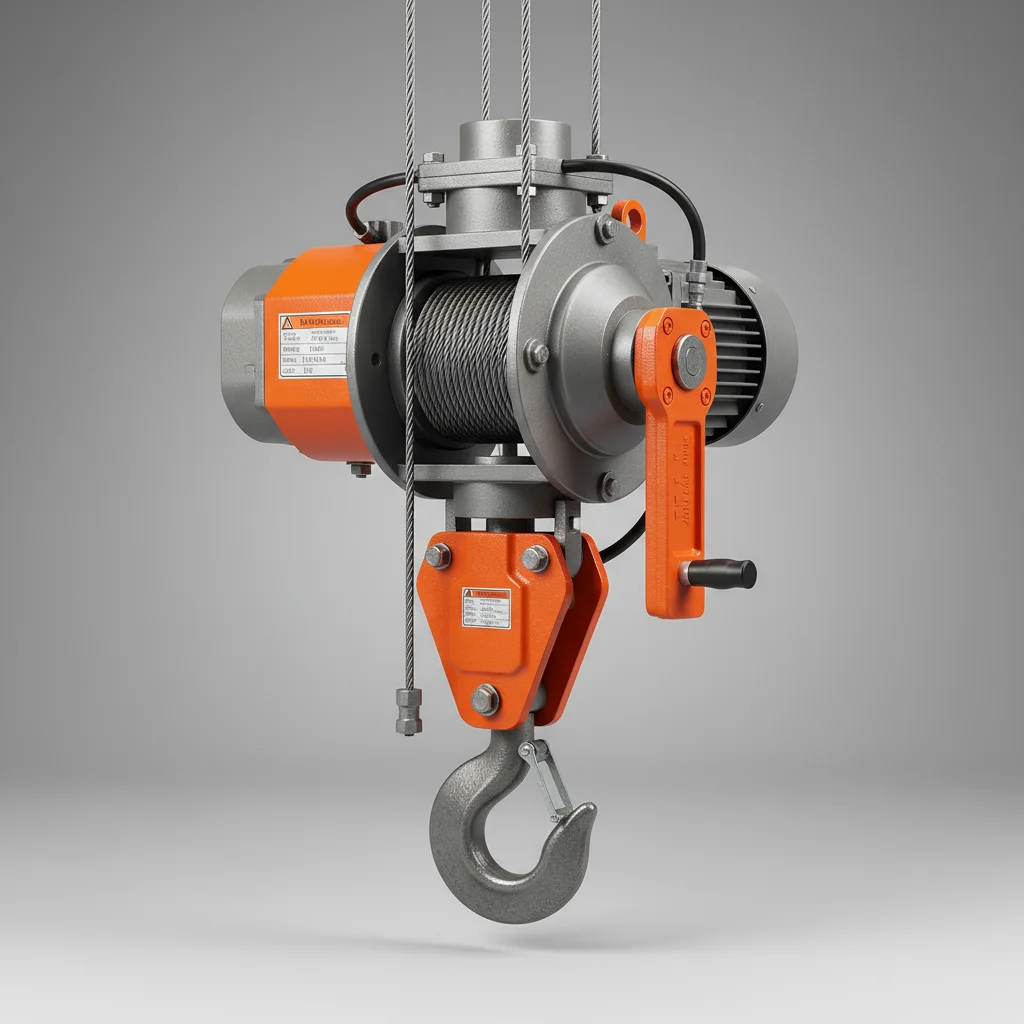
The 240v electric hoist. It’s not glamorous, I’ll tell you that. But after years on construction sites, watching crews wrestle with manual chains and slow, back-breaking lifts, I can confidently say it’s a game-changer. We're not talking about shaving off a few minutes here and there; we're talking about improving safety, boosting efficiency, and ultimately, getting projects done on time and under budget. A well-chosen 240v electric hoist isn’t just a piece of equipment, it’s an investment in the well-being of your team and the success of your build.
I’ve seen too many near misses and strained backs caused by relying on old-fashioned methods. The cost of downtime from an injury, or even just the reduced productivity from fatigue, quickly adds up. That's where the 240v electric hoist comes in. The power supply makes them versatile enough for indoor and outdoor use – something you wouldn't get with pneumatic options. It's about providing a reliable, powerful lifting solution that takes the strain off your workers and lets them focus on the tasks that require skill and judgment.
Frankly, it’s surprising more sites aren’t using them. I’ve spent countless hours evaluating different models, talking to engineers, and getting feedback from the guys on the ground. It's not about finding the cheapest option; it's about finding the right hoist for the job, one that’s durable, easy to maintain, and safe to operate. And that’s what I’m going to break down for you.
The Importance of 240v Electric Hoists in Modern Construction
Look, construction’s a demanding industry. We’re always pushing deadlines, dealing with tight spaces, and moving heavy materials. The 240v electric hoist steps in as a critical component in streamlining these processes. It’s not just about lifting; it’s about controlled lifting, precise positioning, and doing it all with a minimal amount of physical strain on the workforce. From lifting steel beams to positioning pre-fabricated wall sections, the right hoist can shave hours off a project, and more importantly, significantly reduce the risk of workplace injuries.
I've seen a direct correlation between sites that invest in quality lifting equipment and those that maintain a higher safety record. You can't put a price on that. We're talking about preventing lifelong injuries, reducing insurance premiums, and keeping your projects moving forward smoothly. It’s a foundational piece of modern construction, and frankly, any contractor who isn't utilizing them is falling behind.
Understanding the Fundamentals of 240v Electric Hoists
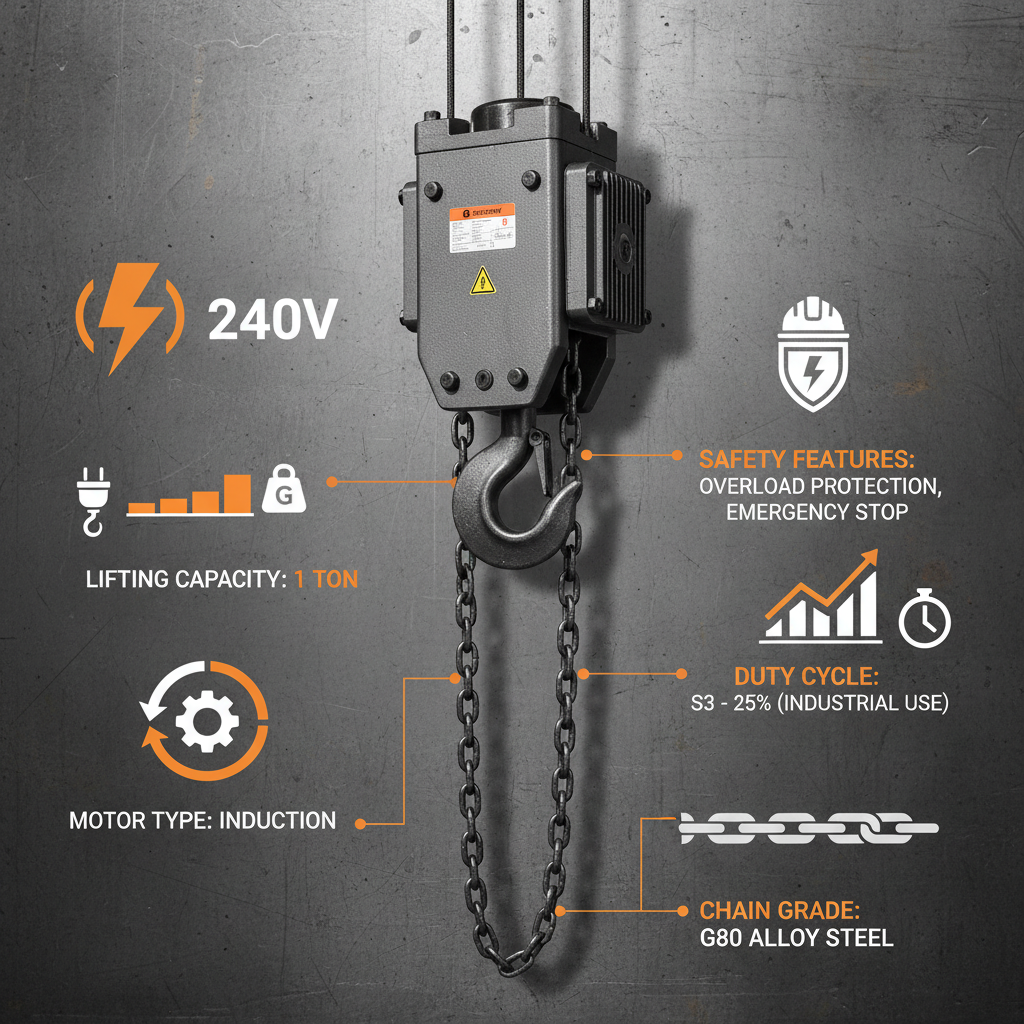
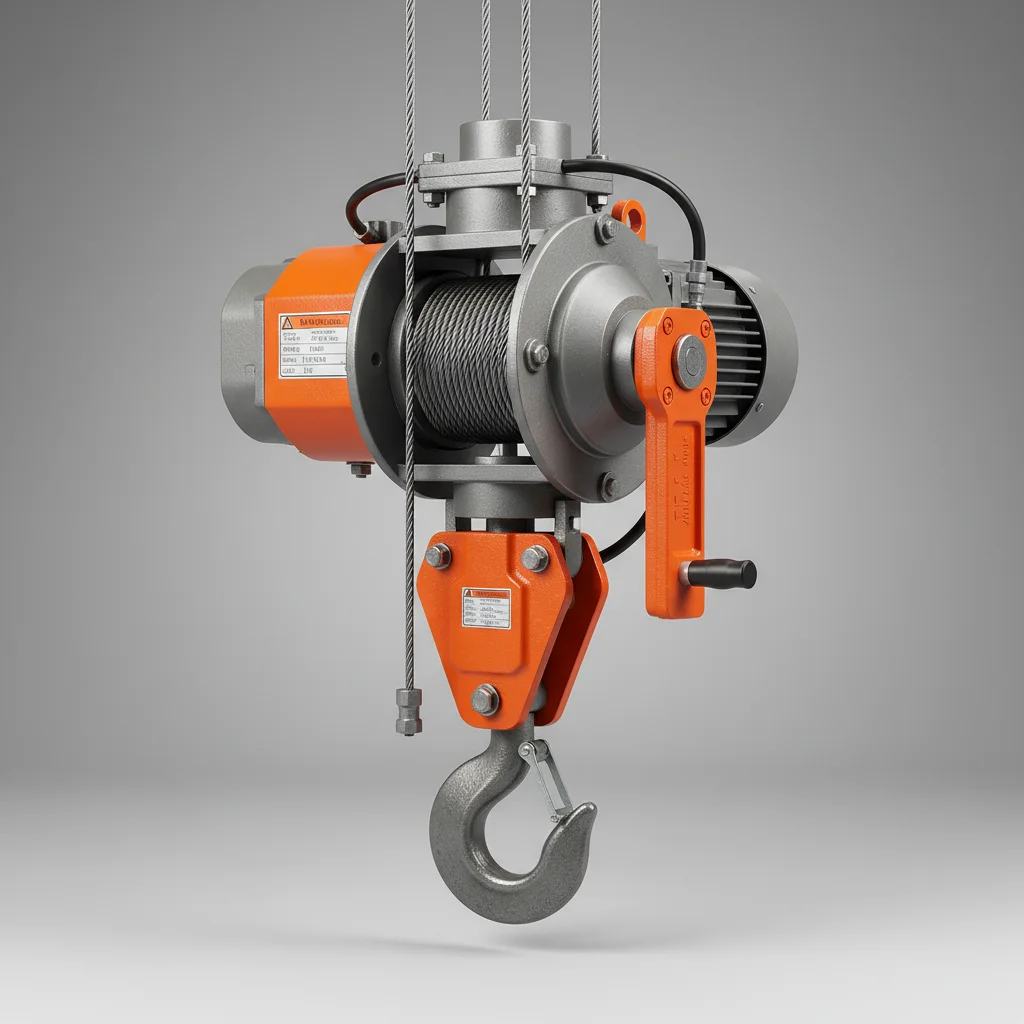
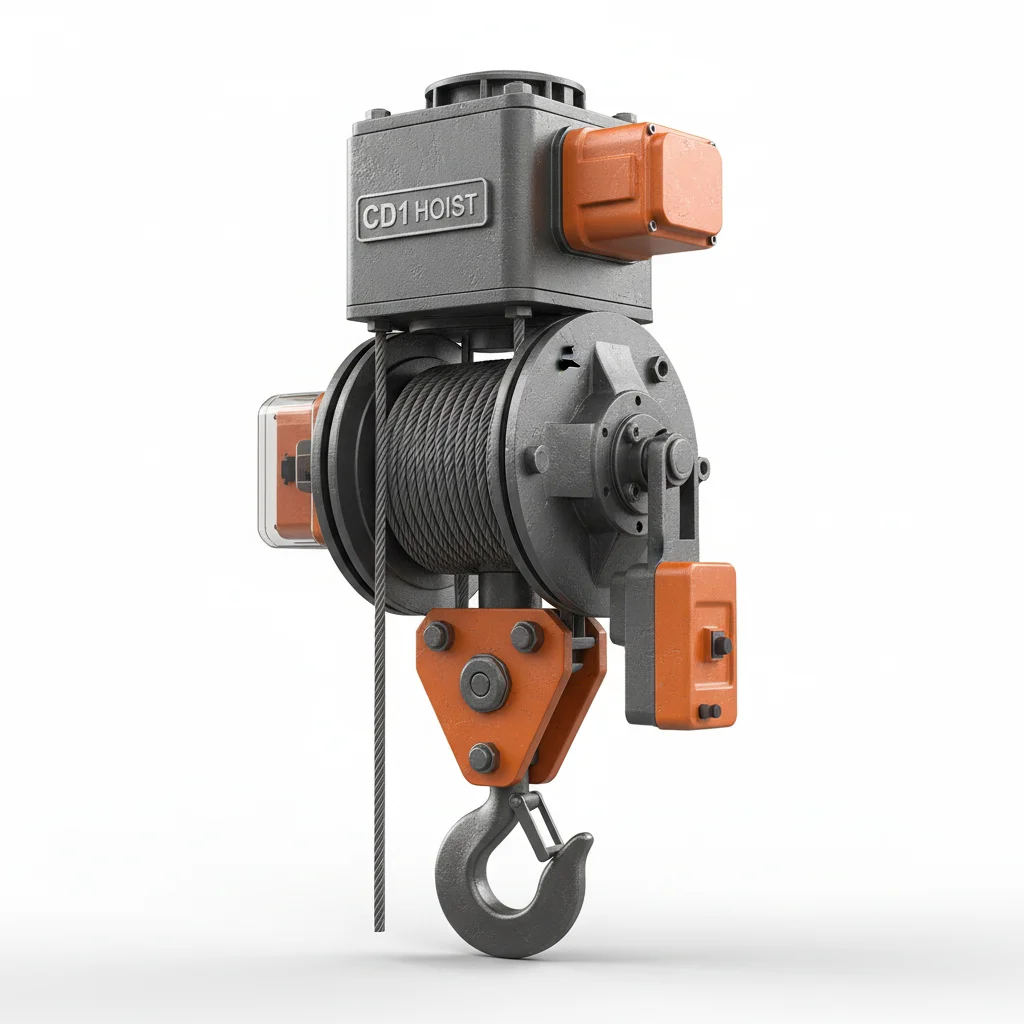
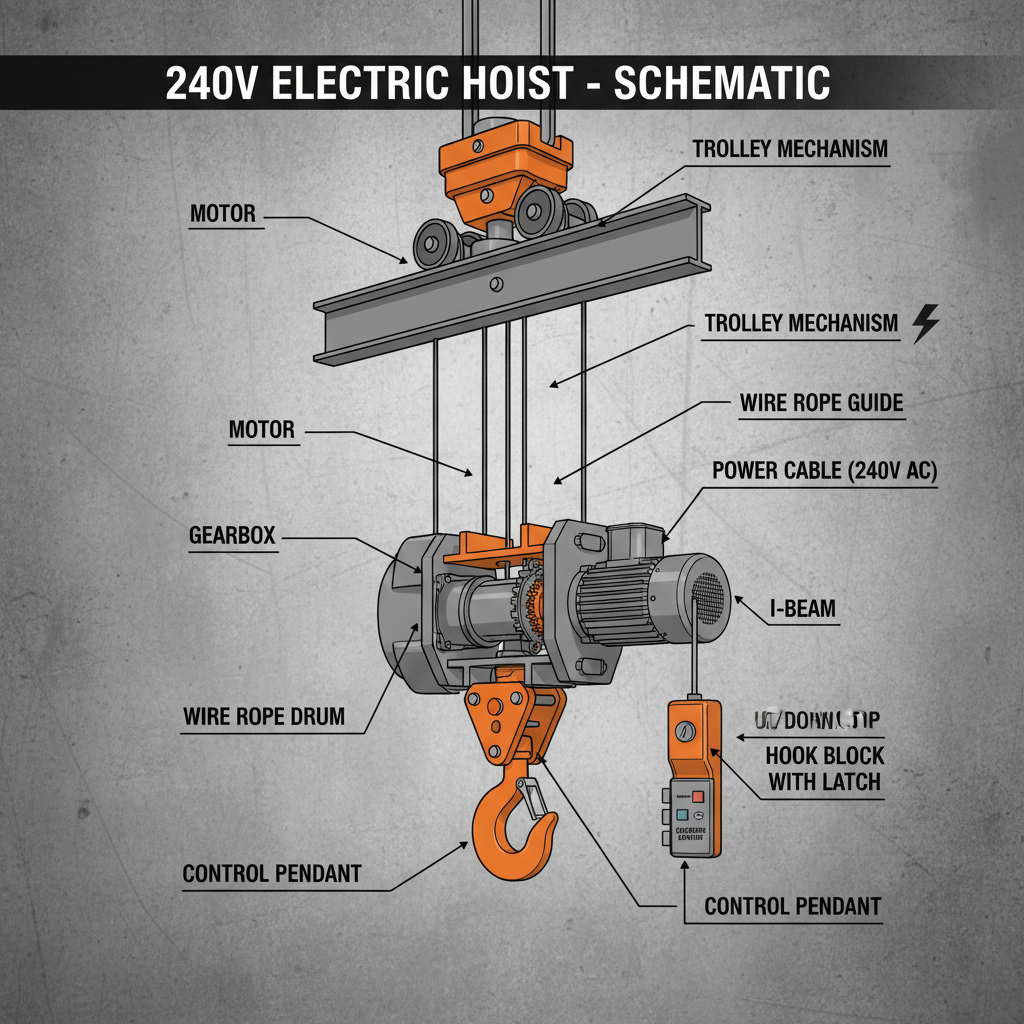
At its core, a 240v electric hoist is a relatively simple machine. You’ve got your motor, your gearbox, your lifting drum, and your hook. But the real beauty lies in the controlled power it delivers. The 240v power supply is key – it provides ample power for most construction lifting needs without requiring the heavy infrastructure of higher voltage systems. It’s a sweet spot for site versatility.
The electric motor drives the gearbox, which in turn rotates the lifting drum, winding up the wire rope or chain. The control pendant allows the operator to precisely control the lifting and lowering speed, and the limit switches prevent over-winding or under-winding. It’s about precision and control, and that’s what separates these hoists from manual options.
What really matters is how these components work together. A poorly designed gearbox, for example, can lead to excessive wear and tear, requiring frequent maintenance. A flimsy hook is a safety hazard waiting to happen. It’s all about the quality of the build and the attention to detail.
Core Components and Their Impact on Performance
Let's talk about the guts of these machines. The motor is obviously critical, and you’ll find everything from single-phase to three-phase options. The gearbox is what translates the motor's speed into usable lifting power, and the quality of the gears and lubrication is paramount. You want something that can handle the load without overheating or wearing out quickly.
The lifting drum is where the wire rope or chain is stored, and its capacity is directly related to the hoist's maximum lifting weight. Don’t skimp here; you want a drum that’s robust and properly sized for the job. The hook itself is often overlooked, but it’s the point of contact with the load, so it needs to be forged from high-strength steel and regularly inspected for cracks or wear.
Beyond these core components, the control system is also crucial. A reliable pendant with clearly labeled buttons and emergency stop functionality is essential for safe operation. And let’s not forget the limit switches – they’re the last line of defense against over-lifting or lowering.
Real-World Applications of 240v Electric Hoists
I’ve seen these hoists used in a huge range of applications. From lifting materials to upper floors on high-rise construction sites, to positioning HVAC units on rooftops, the versatility is impressive. They’re invaluable in pre-fabricated construction, where large sections of buildings are assembled off-site and then lifted into place.
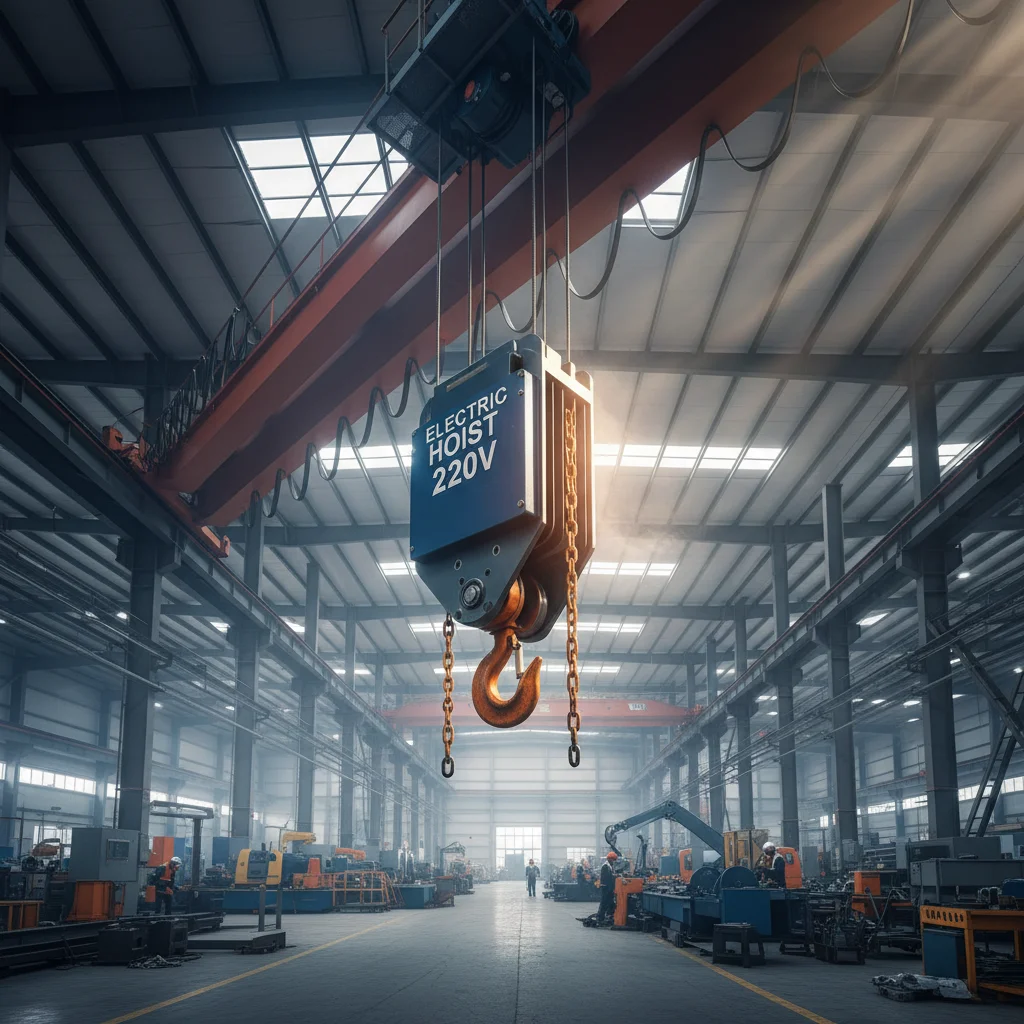
Inside warehouses and workshops, 240v electric hoists are used for moving heavy machinery, loading and unloading trucks, and general material handling. I've even seen them used in smaller-scale projects like installing large windows or lifting equipment onto scaffolding. It’s a workhorse tool that can adapt to a variety of needs.
240v Electric Hoist Usage by Application
Advantages and Long-Term Value Proposition
The advantages are pretty clear. Reduced labor costs, increased efficiency, and improved safety. But it goes deeper than that. A good 240v electric hoist can significantly reduce the risk of worker’s compensation claims, saving you money in the long run. And let’s be honest, a happy and healthy workforce is a more productive workforce.
From a sustainability perspective, reducing physical strain on workers also means extending their careers. Experienced tradespeople are invaluable, and keeping them on the job longer is a smart investment. Plus, many modern hoists are designed for energy efficiency, minimizing their environmental impact.
Future Trends and Technological Advancements
We’re starting to see some really exciting developments in the world of electric hoists. Smart hoists with built-in sensors and data logging capabilities are becoming more common. These systems can monitor load weight, lifting speed, and usage patterns, providing valuable insights for maintenance and optimization.
Remote control technology is also evolving, allowing operators to control the hoist from a safe distance, even from outside the line of sight. And with the increasing focus on automation, we can expect to see more integration of hoists into robotic lifting systems. The future is about smarter, safer, and more efficient lifting solutions.
Challenges and Solutions in 240v Electric Hoist Implementation
The biggest challenge I see is proper training. You can have the best hoist in the world, but if your operators aren’t properly trained on how to use it safely and effectively, you’re asking for trouble. Regular training and certification programs are essential.
Another challenge is maintenance. These machines require regular inspection and lubrication to ensure they’re operating at peak performance. A preventative maintenance schedule is crucial. And finally, selecting the right hoist for the job is key. Don’t just grab the cheapest option; consider the load capacity, lifting height, and environmental conditions.
Key Considerations for 240v Electric Hoist Selection
| Load Capacity (tons) |
Lifting Height (meters) |
Duty Cycle (%) |
Environmental Rating (IP Code) |
| 1 |
6 |
60 |
IP65 |
| 2 |
12 |
40 |
IP54 |
| 5 |
18 |
25 |
IP67 |
| 10 |
24 |
10 |
IP44 |
| 1 |
3 |
75 |
IP66 |
| 3 |
9 |
50 |
IP55 |
FAQS
With proper maintenance – regular lubrication, wire rope inspections, and adherence to load limits – a quality 240v electric hoist can easily last 5-10 years or even longer. I’ve seen some on sites that are over 15 years old and still going strong, but those have been religiously maintained. The key is preventative maintenance, not reactive repairs.
At a minimum, the wire rope or chain should be inspected monthly for signs of wear, kinking, corrosion, or broken wires. More frequent inspections are recommended for heavy-duty applications or harsh environments. It's better to err on the side of caution; a failed wire rope can lead to a catastrophic accident.
Limit switches are crucial – they prevent over-lifting and lowering. An overload protection device will shut down the hoist if it exceeds its rated capacity. Emergency stop buttons on the pendant and hoist itself are non-negotiable. And look for a hoist that meets relevant safety standards, like CE marking.
Yes, but you need to choose a model with an appropriate IP rating (Ingress Protection) for outdoor use. An IP65 rating or higher offers protection against dust and water ingress. Also, consider the temperature range the hoist is designed for. Extreme temperatures can affect performance and lifespan.
Regular lubrication of the gearbox, wire rope inspections, checking the limit switches, and ensuring all electrical connections are secure are all essential. Keep the hoist clean and free of debris. It's a good idea to have a qualified technician perform a thorough inspection and maintenance service at least once a year.
Immediately take the hoist out of service and tag it as ‘Do Not Use’. Do not attempt to repair it yourself unless you are a qualified technician. Contact a reputable repair service to diagnose and fix the problem. Trying to fix it yourself could create a safety hazard and void any warranty.
Conclusion
The 240v electric hoist is more than just a lifting tool; it’s a critical component of safe, efficient, and productive construction practices. From reducing labor costs and improving worker safety to enhancing project timelines and long-term sustainability, the benefits are substantial. It’s an investment that pays for itself time and time again.
Don’t settle for outdated lifting methods. Embrace the power and precision of the 240v electric hoist. Prioritize training, maintenance, and proper selection, and you’ll be well on your way to a smoother, safer, and more profitable construction operation. For a wide range of 240v electric hoists to suit your needs, visit our website: 240v electric hoist.