
Best Guide to Choosing a Reliable 220v Electric Hoist
Best Guide to Choosing a Reliable 220v Electric Hoist
The Ultimate Guide to Choosing a 220v Electric Hoist
When it comes to lifting heavy loads in residential garages, small workshops, or light industrial settings, efficiency and safety are non-negotiable. A 220v electric hoist offers the perfect balance of power and convenience, allowing users to move bulky equipment with minimal physical effort. Whether you are hoisting an engine for repair or lifting materials in a warehouse, understanding the technical nuances of these machines ensures a longer lifespan and a safer working environment. In this guide, we will explore everything from capacity and safety features to the best practices for maintenance.
Key Advantages of Using a 220v Electric Hoist
The primary appeal of a 220v electric hoist is its accessibility. Unlike three-phase industrial hoists that require specialized electrical installations, 220v models can often be plugged into standard high-voltage outlets found in many modern workshops. This significantly reduces the initial setup cost and allows for greater flexibility in placement. Moreover, modern electric hoists are engineered with overload protection and automatic braking systems, ensuring that the load remains secure even in the event of a power failure. For small business owners, this represents a scalable investment that increases productivity without requiring a massive infrastructure overhaul.
Key Highlights: High compatibility with standard workshop power, integrated safety brakes, and a significant reduction in manual labor, making it an ideal choice for DIY enthusiasts and professional mechanics alike.
Technical Specifications for 220v Electric Hoist Models
Selecting the right model requires a deep dive into the specifications. Not all hoists are created equal; the lifting speed, cable length, and maximum weight capacity vary based on the motor's horsepower. When browsing through juyinghoist.com, it is important to match the hoist's rated capacity with your heaviest expected load, always leaving a safety margin. Below is a detailed specification table to help you differentiate between common entry-level and professional-grade 220v models.
Comparing 220v Electric Hoists vs. Manual Chain Hoists
Many operators struggle to decide between the traditional manual chain hoist and the modern 220v electric hoist. While manual hoists are praised for their simplicity and lack of reliance on electricity, they are physically demanding and slow. An electric hoist, conversely, eliminates human fatigue and dramatically speeds up the workflow. In a commercial environment, time is money; the ability to lift a load in seconds rather than minutes provides a clear competitive edge. Additionally, electric models offer more precise control via remote pendants, reducing the risk of load swinging during the lift process.
Why Switch to Electric?
• Efficiency: Drastically reduces the time required for lifting tasks.
• Safety: Reduced physical strain on workers lowers the risk of injury.
• Precision: Better control over the movement of the load.
• Consistency: Constant lifting speed regardless of operator strength.
Installation Best Practices for Your 220v Electric Hoist
Installation is the most critical phase of deploying a 220v electric hoist. First, ensure that the supporting beam or structure is rated for the maximum load capacity of the hoist plus the weight of the load itself. Using a certified I-beam clamp is highly recommended to prevent slipping. Secondly, verify that your electrical circuit can handle the amperage required by the motor to avoid tripping breakers during peak load. Finally, always test the hoist with a "dummy load" (roughly 25% of max capacity) before putting it into full production to ensure all limit switches and brakes are functioning correctly.
Maintenance Tips to Extend the Life of Your Hoist
To maximize the ROI of your 220v electric hoist, a proactive maintenance schedule is essential. The steel cable is the most vulnerable component; it should be inspected weekly for fraying, kinks, or corrosion. Lubricating the chain or cable with a high-grade industrial lubricant reduces friction and prevents premature wear. Additionally, check the electrical connections for any signs of overheating or loosening caused by machine vibration. By spending just a few minutes a month on these checks, you can avoid costly downtime and ensure the safety of everyone in the vicinity.
Maintenance Checklist: Weekly cable inspections, monthly lubrication of moving parts, and quarterly electrical terminal checks to ensure peak performance and safety.
Conclusion: Empowering Your Workspace with Electric Lifting
Investing in a high-quality 220v electric hoist is more than just a purchase; it's an upgrade to your operational safety and efficiency. From the ease of installation to the massive reduction in physical strain, these machines are indispensable for modern workshops. By selecting a model that fits your specific capacity needs and adhering to a strict maintenance routine, you ensure a reliable lifting solution for years to come. Visit Juying Hoist today to find the perfect lifting partner for your business.
Frequently Asked Questions (FAQs)
Can I use a 220v electric hoist on a standard 110v outlet?
No, you cannot use a 220v electric hoist on a 110v outlet. Attempting to do so will result in the motor not receiving enough voltage to operate, which can lead to the motor overheating or burning out completely. If your facility only has 110v outlets, you must either install a dedicated 220v circuit through a licensed electrician or purchase a hoist specifically designed for 110v operation. Always check your power supply before plugging in the equipment to avoid permanent damage to the motor.
What happens if the hoist is overloaded?
Most high-quality models of the 220v electric hoist are equipped with an automatic overload protection system. When the weight exceeds the rated capacity, the hoist will typically stop moving and shut down to prevent the cable from snapping or the motor from failing. However, you should never intentionally test the limit of your hoist. Always know the weight of your load beforehand to ensure you are operating within the safe working load (SWL) limits.
How often should I replace the lifting cable?
There is no fixed timeframe for cable replacement because it depends entirely on usage frequency and the nature of the loads. However, the cable must be replaced immediately if you notice any broken strands, significant kinks, or signs of severe corrosion. As a general rule for moderate use, a professional inspection every six months is recommended. If the hoist is used in a harsh environment (such as a salty coastal area or a chemical plant), the cable may need to be replaced more frequently to maintain safety standards.
Is a 220v electric hoist suitable for outdoor use?
Standard 220v electric hoists are generally designed for indoor use. Exposure to rain, extreme humidity, and dust can damage the motor and cause the electrical components to short circuit. If you require a hoist for outdoor use, you must look for a model with a specific IP (Ingress Protection) rating that indicates water and dust resistance. Additionally, using a weatherproof cover when the hoist is not in use can significantly extend its life, but for permanent outdoor installation, industrial-grade weather-sealed models are the only safe option.
-
 Premium 6mm G80 Alloy Steel Lifting Chain China Factory and Suppliers
-
 2600lb Boat Geared Hand Winch China Factory and Reliable Suppliers
-
 Mini Electric Hoist Lifting Equipment for Factory Workshop Pa800 Electric Hoist
-
 2ton Chain Block 3m Lift Chain Pulley Block
-
 High Efficiency Stable Safety Low Single Girder European Type Industrial Electric Hoist European Wire Rope Hoist
-
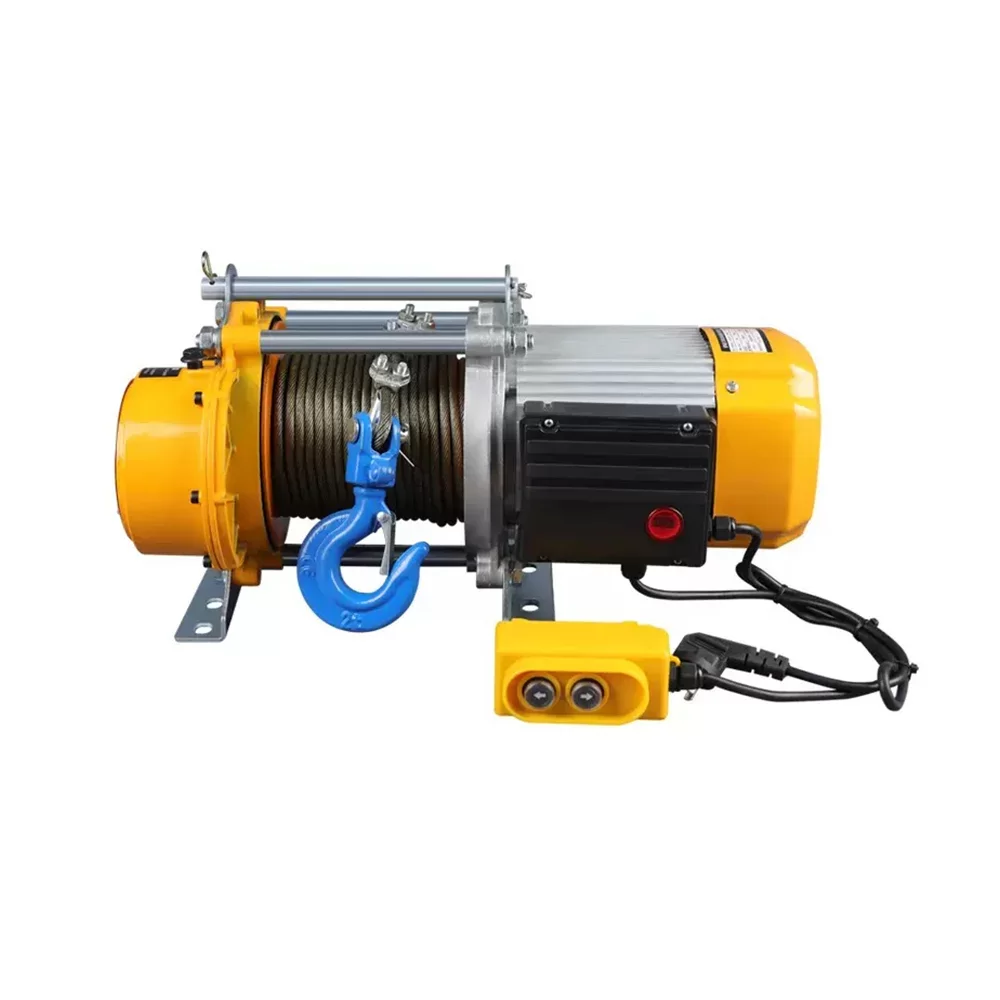 Electric Hoist with the 400kg Capacity Aluminum Shell Electric Winch
-
 Manual Chain Hoist 1t20t Suppliers and Factory in China | GSToyo VC Series Lifting Tools
-
 220v Lifting Tool Portable Electric Hoist Wireless Remote Control Steel Wire Rope Industrial Portable Electric Hoist
-
 October 23, 2026Manual Chain Hoist 5 Ton G80 Alloy Steel Hand Chain Block Hoist Dual Pawl Brake for Construction: HSC vs VD ComparisonA side-by-side comparison of two 5-ton manual chain hoists listed by HEBEI JUYING HOISTING MACHINERY CO., LTD.: the HSC series triangular hand chain hoist and the VD type hand chain hoist. Both product pages describe a G80 alloy steel load chain, a dual pawl brake and no need for power. They differ in housing design, stated capacity range, hook and gear details, lifting height options, the documentation they list and the OEM details they give. Values the pages do not give, such as hand pull force, weight, headroom dimensions, price and warranty, are marked as unavailable.
-
 July 01, 2026Heavy Duty Electric Winch 13500lbs for Industrial LiftingThe Ultimate Guide to the Electric Winch 13500lbs for Heavy-Duty Lifting In the demanding world of material handling and industrial lifting, having a reliable power source is non-negotiable. The electric winch 13500lbs offers a perfect balance of raw pulling power and operational precision, making it an indispensable tool for construction, maritime, and petrochemical industries. Whether you are hauling heavy machinery or securing loads in a port, selecting a winch with the right capacity ensures both efficiency and site safety. In this guide, we will explore why this specific capacity is a industry favorite and how Hebei Juying Lifting Machinery Co., Ltd. delivers world-class performance.
-
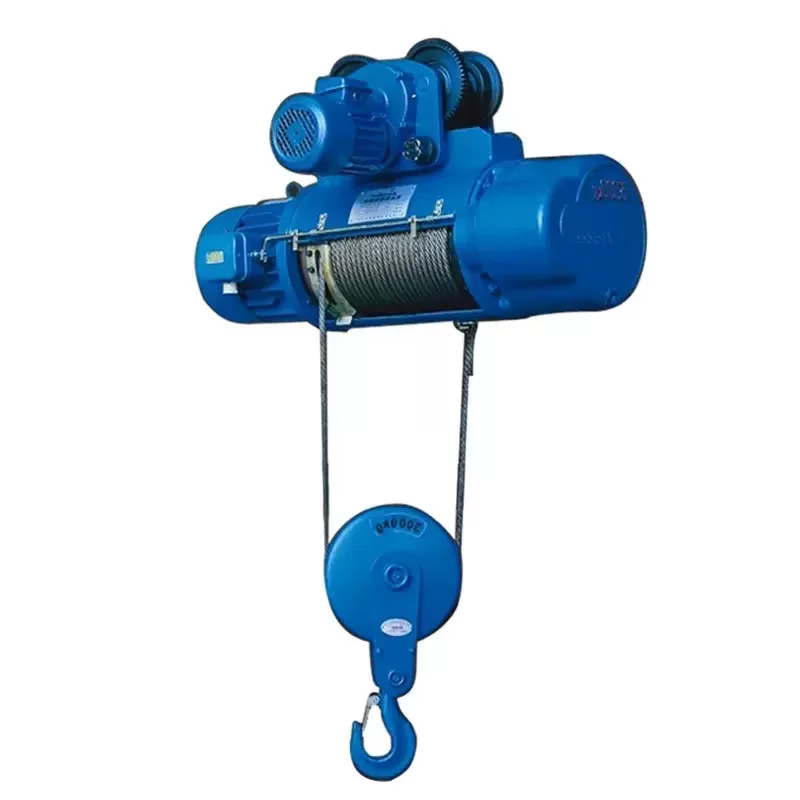 August 28, 2026Efficient Industrial Lifting with 220v Electric Hoist Solutions
In the modern landscape of industrial material handling, the demand for efficient, compact, and reliable lifting solutions has never been higher. Whether in a bustling warehouse, a specialized factory workshop, or a small-scale construction site, the ability to move heavy loads vertically with precision is critical for productivity and workplace safety. The evolution of lifting technology has led to the development of specialized equipment designed to bridge the gap between manual labor and heavy industrial cranes. One of the most versatile tools emerging in this sector is the 220v electric hoist , which offers a balance of power and accessibility.
-
 April 08, 2026Optimizing Material Handling with Single Phase Electric Hoist SolutionsThe global demand for efficient and reliable lifting solutions is ever-increasing, fueled by expanding infrastructure projects, manufacturing growth, and the need for safe material handling. At the heart of many of these operations lies the humble yet vital Single phase electric hoist – a versatile tool designed to lift and move materials with precision and control. Understanding its capabilities and applications is crucial for industries seeking optimized productivity and safety.
-
 May 29, 2026Industrial Electric Chain Hoist for Efficient Material LiftingIn the modern industrial landscape, the efficiency of material handling often determines the overall productivity of a manufacturing plant. The electric chain hoist has emerged as a cornerstone of this efficiency, providing a powerful, precise, and safe means of lifting heavy loads vertically. By replacing manual labor with motorized precision, these devices minimize workplace injuries and drastically reduce the time required for loading and unloading operations. Globally, the demand for reliable lifting equipment is surging as industries shift toward leaner production models and stricter safety regulations. Whether in a small automotive workshop or a massive aerospace assembly line, the integration of an
-
 June 08, 2026Industrial Electric Chain Hoist 5 Ton for Heavy Duty LiftingIn the demanding landscape of modern material handling, the electric chain hoist 5 ton stands as a critical bridge between manual labor and heavy-duty industrial automation. For businesses operating in sectors like petrochemicals, bridge construction, and port logistics, the ability to lift five metric tons with precision and safety is not just a convenience, but a prerequisite for operational efficiency. Globally, the shift toward electrification in lifting equipment is driven by the need for higher safety standards and reduced operational fatigue. The 5-ton capacity is particularly significant as it caters to the medium-heavy weight class, making it versatile enough for both factory workshops
-
 June 03, 2026Industrial Electric Chain Hoist 2 Ton for Heavy Lifting SafetyIn the demanding world of modern material handling, the electric chain hoist 2 ton stands as a pivotal bridge between manual labor and heavy industrial automation. As warehouses and production lines scale upward, the need for a reliable, mid-capacity lifting solution becomes critical to maintaining operational flow and ensuring workplace safety. Understanding the nuances of these machines allows facility managers to optimize their vertical space while minimizing the physical strain on their workforce. Globally, the adoption of an electric chain hoist 2 ton has surged as SMEs Small and Medium Enterprises seek to upgrade their infrastructure without the astronomical costs of full-scale gantry systems.
-
 July 24, 2026High Efficiency CD1 electric hoist for Industrial LiftingIn the modern industrial landscape, the efficient movement of heavy materials is not just a matter of convenience but a cornerstone of operational safety and productivity. The CD1 electric hoist represents a pivotal solution for businesses seeking a balance between high lifting capacity and streamlined operation, reducing the physical strain on workers while accelerating project timelines. Across the globe, from petrochemical plants to bridge construction sites, the demand for reliable lifting equipment has surged as infrastructure projects become more complex. The ability to hoist heavy loads with precision and stability is critical in preventing workplace accidents and ensuring that high-value components are positioned correctly without damage.
Let’s Build Your Ideal Lifting Plan
Get a free quote or consult specs—message us right away!


