
Guide to Maximizing Efficiency with Electric Hoist 220v
Guide to Maximizing Efficiency with Electric Hoist 220v
Maximizing Efficiency with the Electric Hoist 220v: A Complete Guide
In modern warehousing, construction, and home workshops, the need for reliable lifting equipment is essential. The electric hoist 220v provides a seamless blend of power and convenience, allowing users to lift heavy loads with minimal physical effort. By utilizing a standard single-phase power supply, these hoists eliminate the need for complex industrial electrical installations, making them ideal for small to medium-sized enterprises. In this guide, we will explore how choosing the right lifting solution can enhance your operational safety and productivity while reducing downtime.
Core Advantages of Using an Electric Hoist 220v
The primary appeal of an electric hoist 220v lies in its accessibility. Unlike three-phase industrial hoists, the 220v version can be plugged into standard outlets found in most residential and commercial buildings. This plug-and-play capability significantly lowers the barrier to entry for business owners who need lifting power without expensive electrical upgrades. Furthermore, these machines are engineered for precision, offering smooth start-and-stop functions that prevent load swinging, thereby ensuring a safer environment for the operator and surrounding staff.
Key Efficiency Gains: Reduced manual labor, faster loading/unloading cycles, and a significant decrease in the risk of musculoskeletal injuries among workers.
Choosing the Right Electric Hoist 220v Capacity
Not all lifting tasks are created equal. When selecting an electric hoist 220v, understanding the difference between "single line" and "double line" capacity is critical. A single line lift offers more height but lower capacity, while a double line configuration doubles the lifting weight by using a pulley system. It is always recommended to choose a hoist with a capacity 20% higher than your heaviest expected load to ensure longevity and safety.
Essential Safety Features of Professional Hoists
Safety is the non-negotiable priority when operating an electric hoist 220v. High-quality models are equipped with automatic limit switches that stop the hook immediately upon reaching the top, preventing mechanical failure or rope snapping. Additionally, an electromagnetic brake system ensures that the load remains locked in place even during a sudden power outage. Regular inspections of the steel wire rope and hook integrity are essential to maintain a zero-accident workplace.
Electric Hoist 220v vs. Manual Chain Hoists
When deciding between a manual chain block and an electric hoist 220v, the trade-off is between independence and speed. While manual hoists require no power, they are physically demanding and slow. Electric hoists drastically reduce the time required for repetitive lifts and minimize operator fatigue. For any environment where lifting occurs more than a few times a day, the electric version provides a much higher return on investment (ROI) through increased throughput.
Comparison Summary:
• Speed: Electric is 5-10x faster than manual.
• Effort: Electric requires only a button press; Manual requires physical pulling.
• Installation: Manual is portable; Electric requires a mounting beam and power.
Installation and Maintenance for Longevity
To get the most out of your electric hoist 220v, proper installation is key. The mounting bracket must be securely bolted to a structural beam that can handle both the weight of the hoist and the maximum load. From a maintenance perspective, lubricating the gear system and checking the wire rope for fraying every three months will prevent unexpected breakdowns. Avoid overloading the machine, as this causes excessive wear on the motor and reduces the overall lifespan of the equipment.
Conclusion: Elevating Your Workflow with Electric Power
Integrating an electric hoist 220v into your workspace is one of the most effective ways to boost operational efficiency and worker safety. By removing the physical strain of manual lifting and providing a reliable, power-driven solution, you can focus more on productivity and less on the risk of injury. Whether for a home garage or a commercial warehouse, investing in a high-quality hoist from a trusted provider ensures long-term reliability and peace of mind.
Frequently Asked Questions (FAQs)
Can I use an electric hoist 220v in a home garage?
Yes, absolutely. One of the main advantages of the 220v model is that it is compatible with standard single-phase power available in most residential settings. However, it is crucial to ensure that your electrical circuit can handle the amperage required by the hoist motor to avoid tripping your circuit breaker. We recommend using a dedicated outlet and ensuring the mounting beam is structural and not just a decorative ceiling joist.
What should I do if the hoist stops working mid-lift?
Most professional electric hoists are equipped with an automatic electromagnetic brake that locks the load in place immediately if power is lost. First, check your power source and circuit breaker. If the power is on but the hoist won't move, it may be an overheat protection trigger. Let the motor cool down for 15-30 minutes. If the problem persists, contact a certified technician to inspect the internal wiring or the limit switch.
How do I determine if I need a single or double line lift?
The choice depends on your priority: speed or weight. A single line lift allows the hook to travel a longer distance (higher lift height) and moves the load faster, but it has a lower weight capacity. A double line lift uses a pulley to divide the load, effectively doubling the lifting capacity, but it reduces the total lifting height by half and slows down the ascent. If you are lifting heavy engines, go for double line; for lighter, taller loads, single line is best.
Is an electric hoist 220v suitable for outdoor use?
Standard electric hoists are typically designed for indoor use. If you plan to use one outdoors, you must ensure the unit is rated for the specific environment (e.g., IP-rated for moisture or dust protection). Using a standard indoor hoist in the rain or extreme humidity can lead to short circuits and motor failure. For outdoor applications, always use an outdoor-rated extension cord and ensure the hoist is sheltered or specifically designed for outdoor weathering.
-
 Electric Chain Hoist 3 Ton 380V Wireless Remote Control Electric Chain Hoist for Warehouse Industrial Lifting
-
 Durable Permanent Magnet Lifter and Magnetic Lifter 2000kg for Lifting Heavy Steel Plates
-
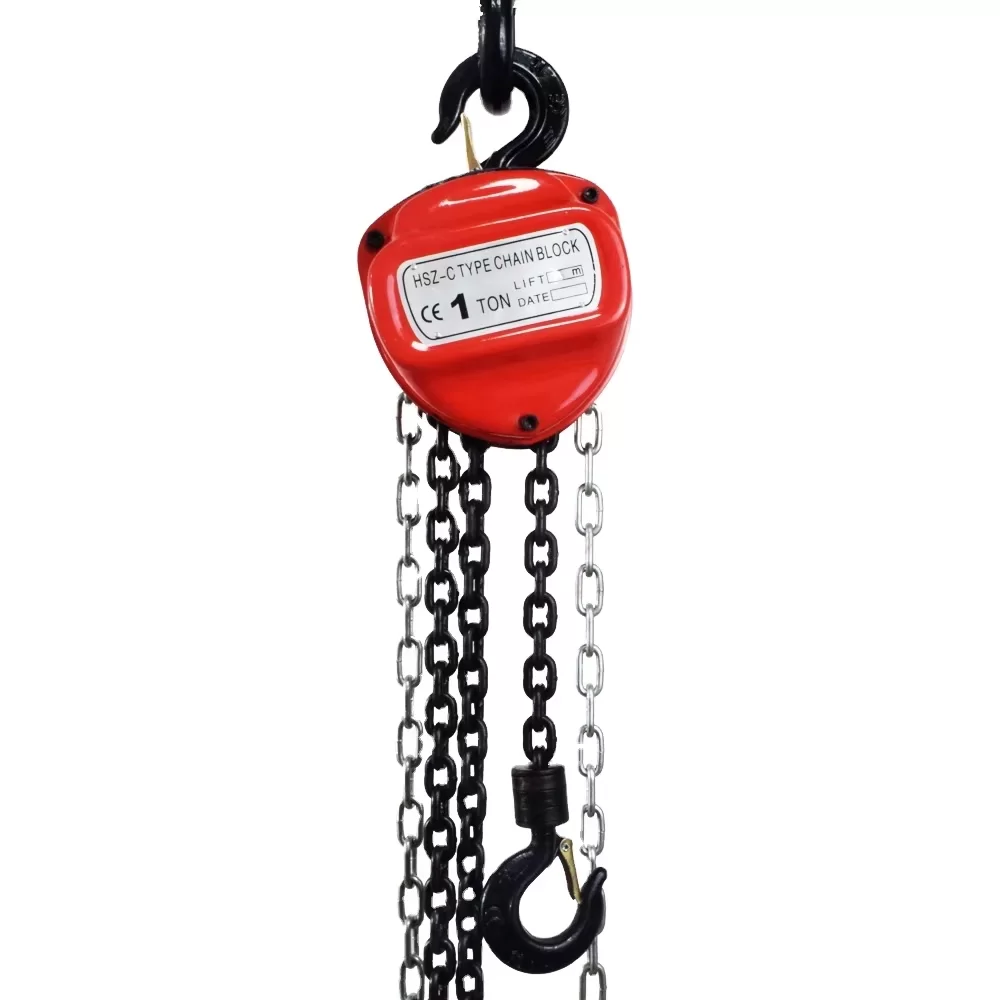 Cheap Price 1Ton Hand Chain Puller Manual Lifting Hoist
-
 1 Ton Manual Chain Block Hoist Lifting Height G80 Alloy Steel Hand Chain Pulley Block for Construction and Logistics
-
 220v Single Phase New Electric Hoist PA800 Type 800kg Load Capacity Small Wire Rope Metal
-
 Industrial Low Headroom FEM Standard Heavy Duty Single Girder Overhead Bridge Crane Electric European Wire Rope Hoist
-
 CE Certified Heavy Duty 360 Degree Rotating Pillar Lift Crane Standing Freestanding Electric Hoist Slewing Jib Crane
-
 Portable Electric Hoist 500kg 220V Portable Wire Rope Hoist Lifting Crane for Balcony Roof Material Lifting
-
 November 09, 2026High Capacity China 10 Ton Lifting Belt Industrial GuideWhen managing heavy industrial loads, selecting a high-capacity china 10 ton lifting belt is critical for maintaining operational safety and efficiency. These specialized synthetic slings are designed to move massive components without damaging the surface of the load, providing a flexible yet incredibly strong alternative to traditional steel chains. This article examines the technical requirements for high-tonnage webbing slings and how to ensure they meet rigorous industrial safety margins. In B2B procurement, the search for heavy-duty lifting gear often centers on the balance between material durability and load stability. For industries such as shipbuilding, bridge construction, and heavy machinery maintenance, the integrity of a 10-ton capacity sling
-
 September 01, 2026Reliable 2200v Electric Hoist for Small Workshop LiftingFinding a reliable lifting solution often comes down to the available power infrastructure on-site. For many small workshops, residential garages, and light industrial sites in North America, the availability of a 110v electric hoist is not just a convenience, but a technical necessity for operational efficiency. Unlike heavy-duty industrial cranes that require dedicated three-phase power, these specialized hoists allow users to leverage standard electrical outlets. This accessibility lowers the barrier to entry for material handling, enabling safer lifting of engines, machinery parts, and construction materials without expensive electrical upgrades.
-
 April 22, 2026Efficient Material Handling Using a Small Electric Hoist GuideIn the fast-paced environment of modern logistics and construction, the demand for efficient, compact lifting solutions has never been higher. A small electric hoist serves as a critical bridge between manual labor and heavy industrial machinery, providing a versatile means of moving materials with precision and minimal physical exertion. By integrating electrical power with robust mechanical design, these devices empower small businesses and home workshops to handle loads that would otherwise require a full crew.
-
 November 02, 2026Industrial 220V Electric Hoist and Custom Small Electric Winch
For industrial projects and construction sites, the ability to move heavy materials vertically with absolute precision is not just about efficiencyit is a critical safety requirement. The 220V Electric Wire Rope Hoist is specifically engineered to bridge the gap between compact design and heavy-duty performance. Whether operating in hazardous petrochemical zones or on complex bridge construction sites, professionals require lifting tools that balance operational stability with a low cost of ownership. By integrating advanced motor testing and international safety certifications, this equipment ensures that materials are transported securely without compromising productivity.
-
 September 09, 2026Tehran Industrial Exhibition 2025: Electric Chain Hoists for Flexible Material Handling
Manufacturers, warehouses, construction contractors, and maintenance teams are under pressure to move heavier loads with fewer delays and less manual effort.
-
 March 25, 2026CD1 Electric Wire Rope Hoist Essential Guide for Modern Lifting Operations
The CD1 electric wire rope hoist – it’s the workhorse of modern lifting, plain and simple. You see these things everywhere on construction sites, in factories, shipyards… anywhere you need to reliably move heavy loads. I’ve spent years watching crews wrestle with inefficient systems, and honestly, a good CD1 hoist is the difference between a smooth operation and a frustrating, time-wasting bottleneck. It's not glamorous, but it's essential. We're talking about safety, efficiency, and ultimately, getting the job done right. The advancements in this tech are subtle, but they add up to huge gains in productivity and reduced risk. What really strikes me, having been on the ground level with so many projects, is how versatile these hoists are. They're not just for lifting materials. They’re crucial in equipment installation, maintenance, and even demolition. I’ve seen them rigged for everything from precise positioning of HVAC units to safely lowering massive generators for repair. The reliability is key - downtime on a job site translates directly into lost money and delayed schedules. That's where a solid, well-maintained CD1 hoist proves its worth.
-
 September 04, 2026Manufacturing Indonesia 2025: How Electric Wire Rope Hoists Support Smarter Factory Lifting
Industrial production is moving toward shorter lead times, more flexible layouts, and stricter safety control.
-
 June 18, 2026High Quality Industrial Electric Chain Hoist 220v for LiftingIn the modern industrial landscape, the efficiency of material handling determines the overall productivity of a facility. The adoption of an electric chain hoist 220v provides a seamless bridge between heavy-duty lifting requirements and the accessibility of standard electrical infrastructure, allowing businesses to scale their operations without requiring massive electrical overhauls. Across global markets, from small-scale automotive workshops to large petrochemical plants, the demand for reliable vertical lifting solutions is ever-present. By integrating advanced motor technology with high-tensile chains, these systems reduce manual labor, minimize workplace injuries, and accelerate the pace of production cycles in diverse environments.
Let’s Build Your Ideal Lifting Plan
Get a free quote or consult specs—message us right away!


