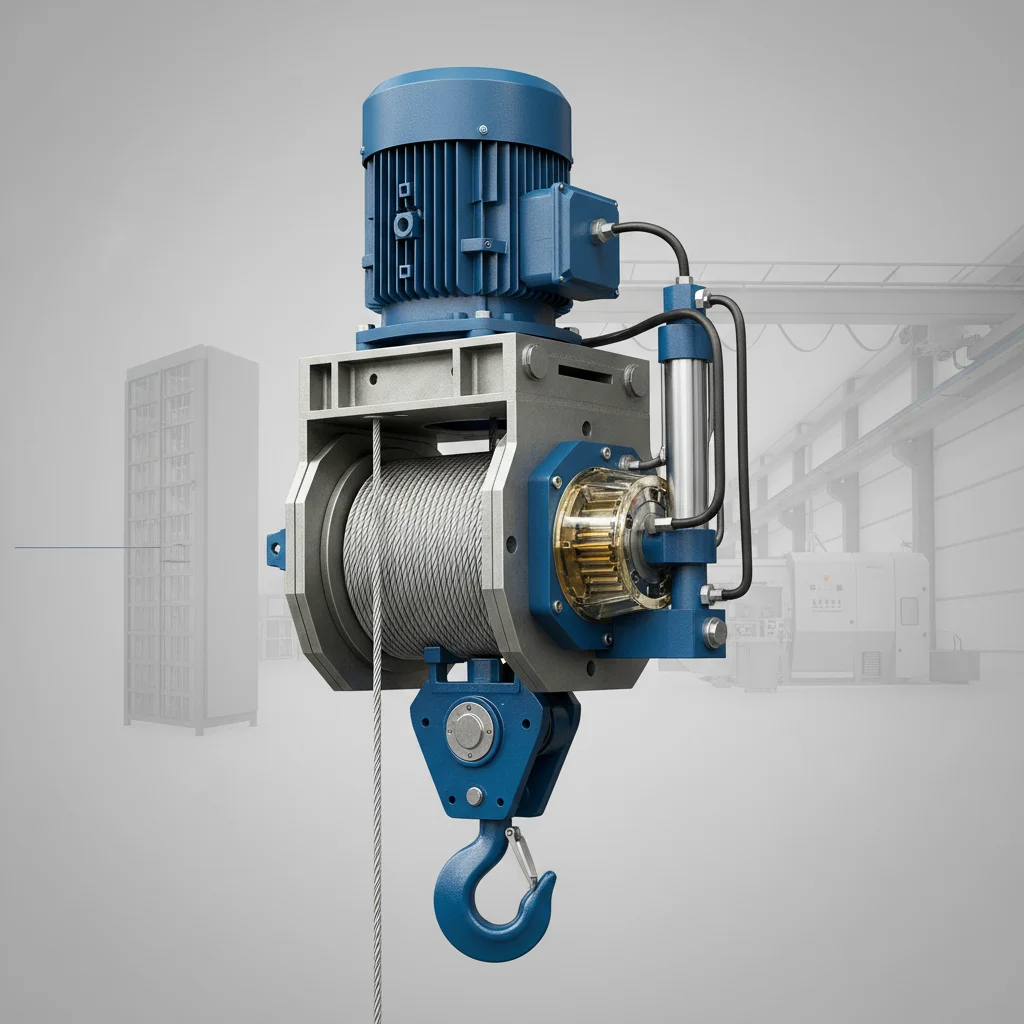
The efficiency of modern material handling depends heavily on the integrity of the lifting medium. Among these, the electric hoist wire rope stands as the critical link between mechanical power and the safe movement of heavy loads. Understanding the nuances of wire rope selection and maintenance is not just a matter of operational efficiency, but a fundamental requirement for workplace safety in industrial environments.
Across the globe, from high-tech automotive assembly lines to heavy-duty construction sites, the demand for high-tensile, fatigue-resistant wire ropes is increasing. As industries shift toward higher load capacities and faster cycle times, the stress placed on these components grows, making the adoption of advanced metallurgical standards and rigorous inspection protocols more important than ever.
By exploring the technical specifications, application scenarios, and maintenance strategies of the electric hoist wire rope, operators can significantly reduce downtime and prevent catastrophic failures. This guide provides a comprehensive overview of how to optimize the lifespan and performance of wire ropes within electric hoist systems.
Global Relevance of Electric Hoist Wire Rope
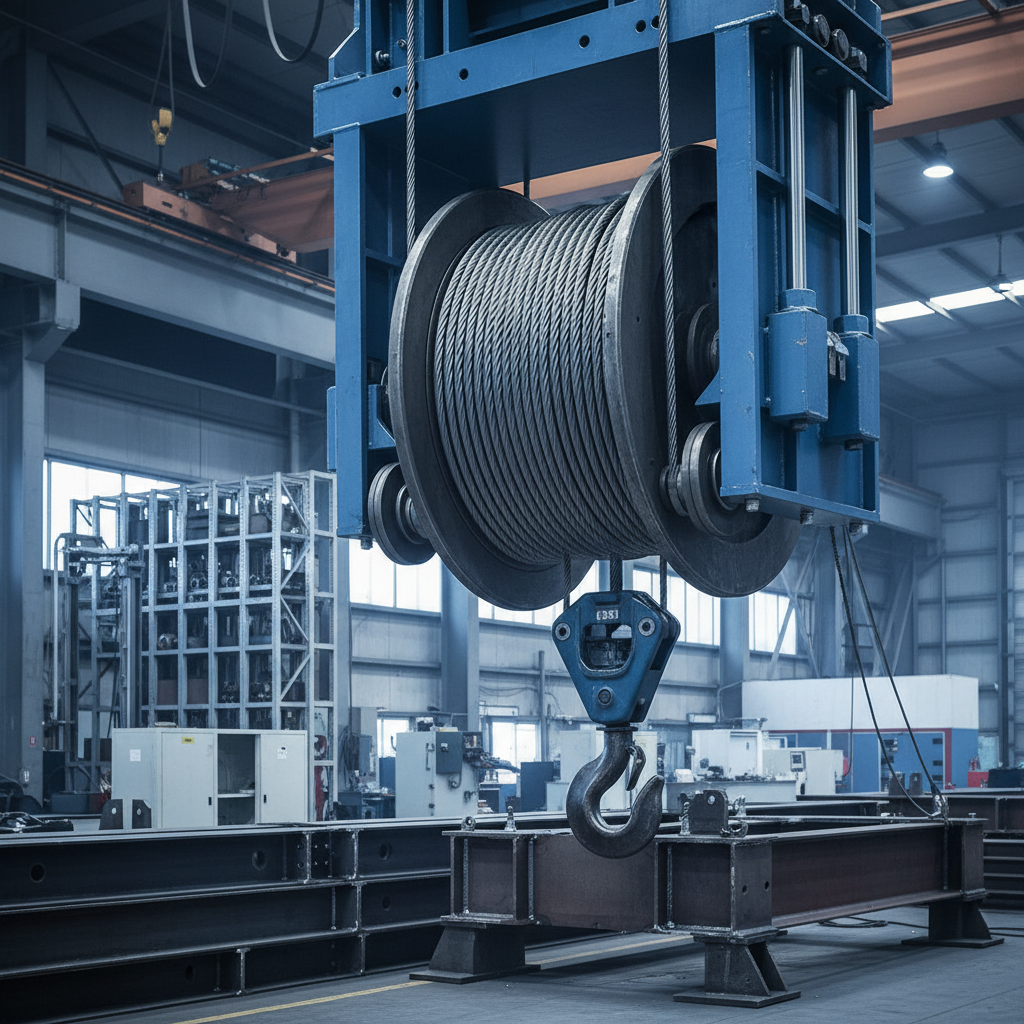
In the contemporary industrial landscape, the electric hoist wire rope is more than just a cable; it is a precision-engineered component that enables global trade and infrastructure development. According to ISO standards for lifting equipment, the reliability of the wire rope directly correlates with the overall safety coefficient of the hoist, impacting millions of workers worldwide.
The global supply chain relies on the seamless movement of goods, where failures in lifting components can lead to massive economic losses and safety hazards. By adhering to strict manufacturing tolerances and material grades, the industry ensures that these ropes can withstand the extreme tensions required for heavy-duty lifting across diverse climates and industrial settings.
Defining the Electric Hoist Wire Rope Standard
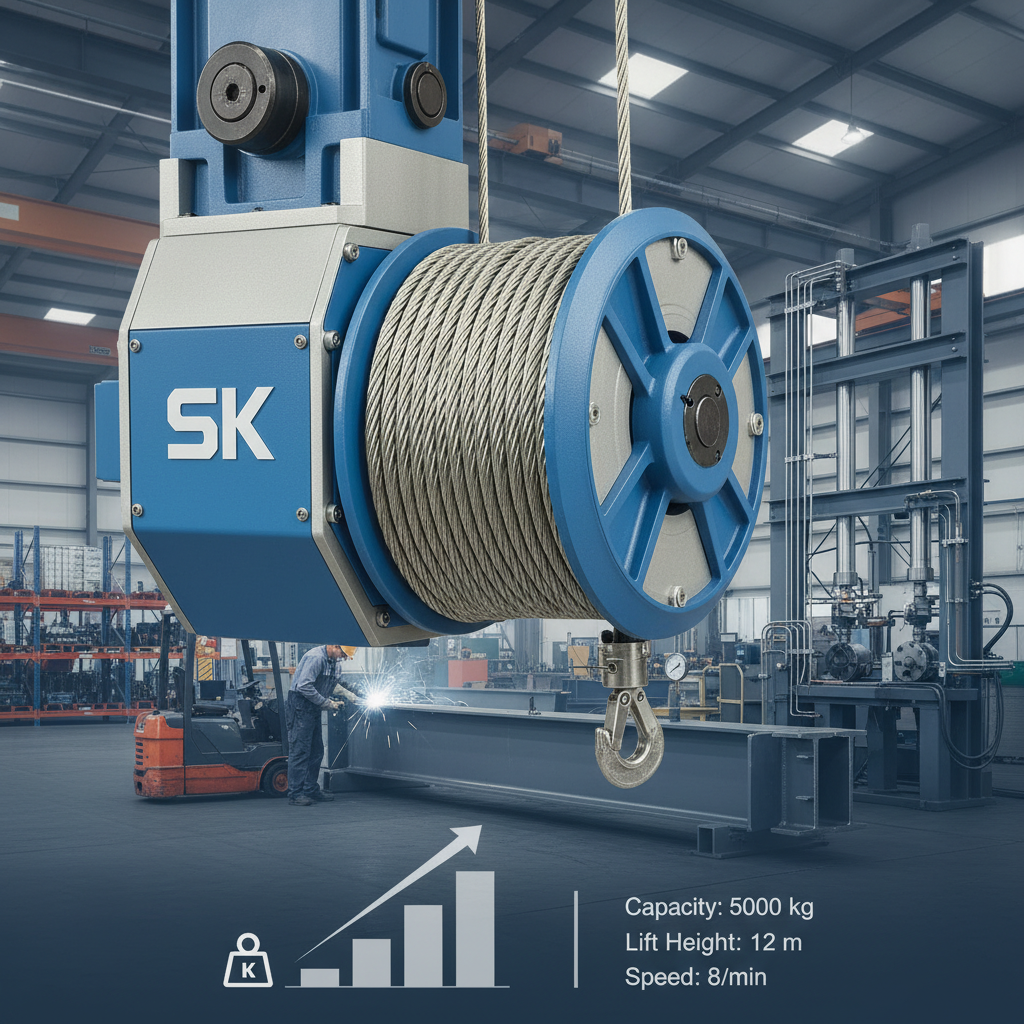
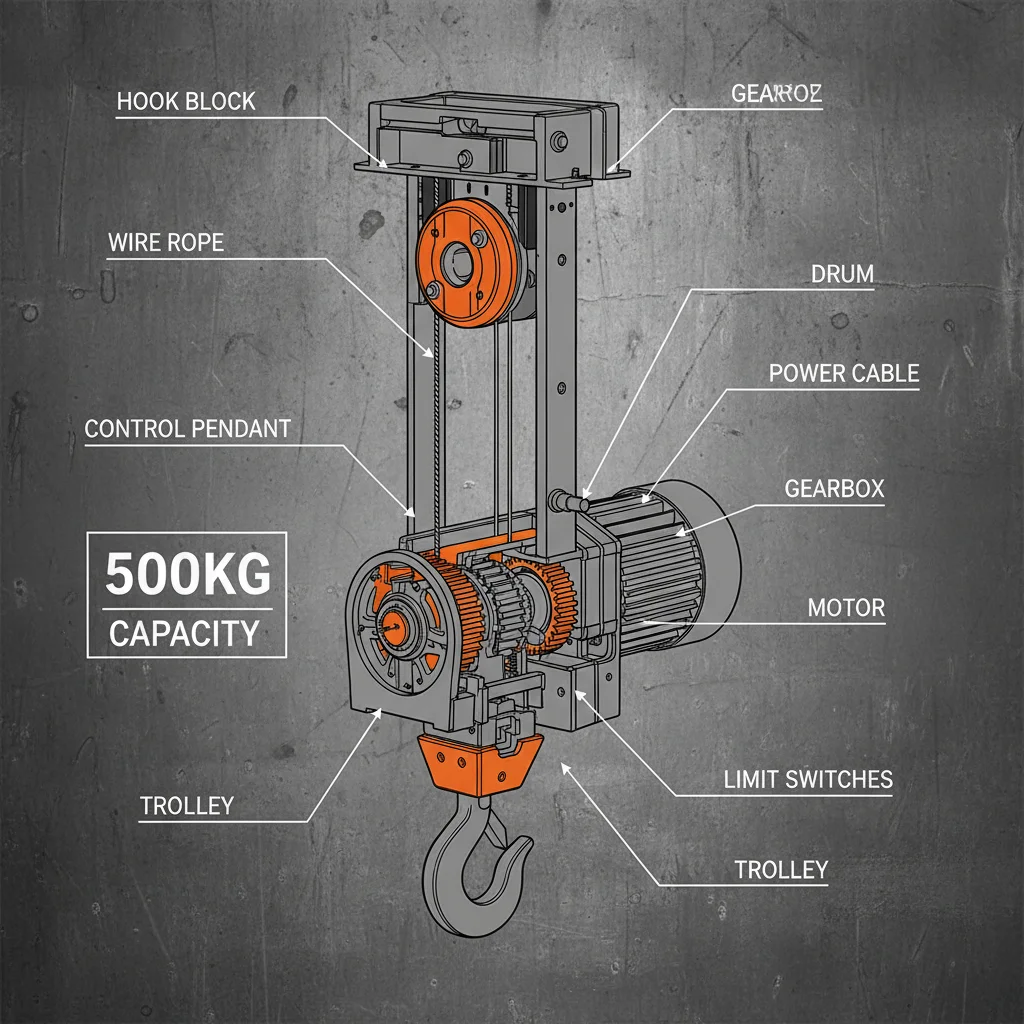
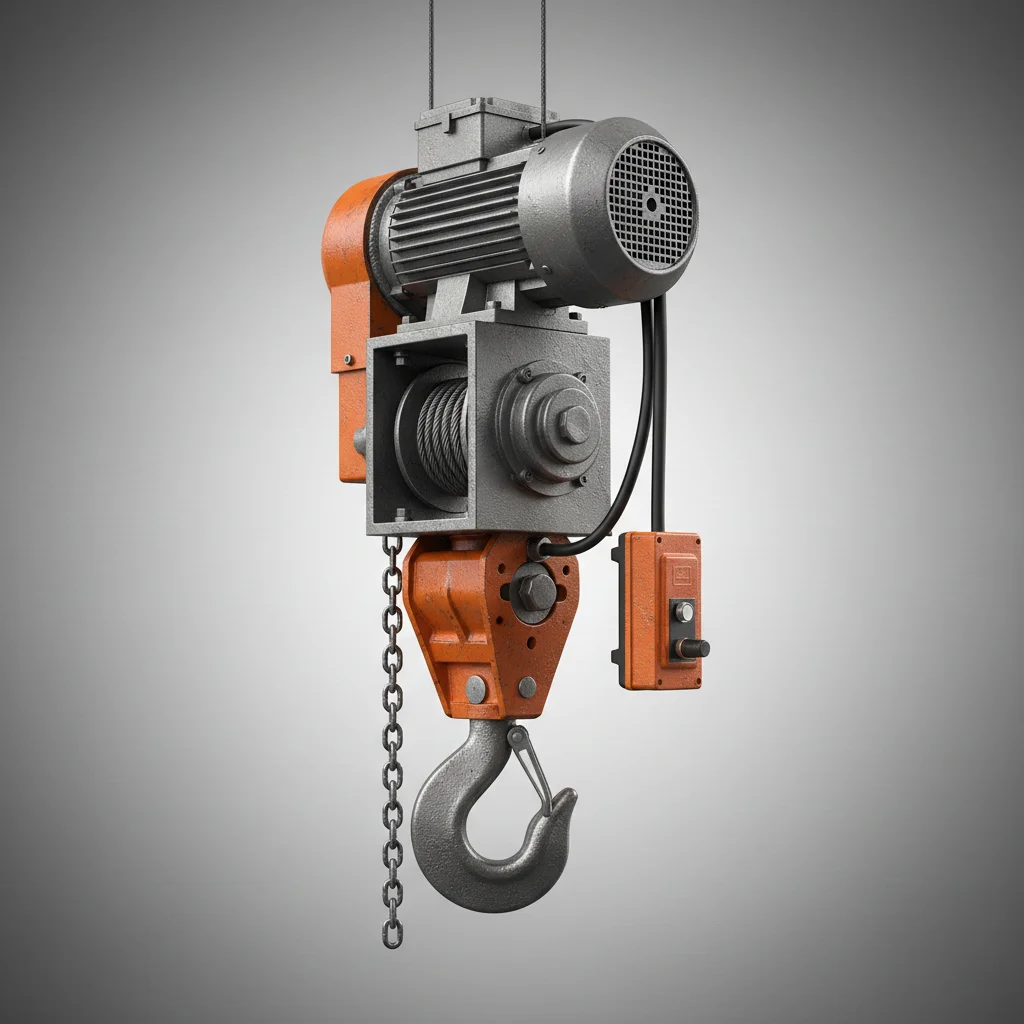
At its core, an electric hoist wire rope is a complex assembly of individual steel wires twisted into strands, which are then laid around a central core. This helical structure is designed to provide a unique combination of flexibility and immense tensile strength, allowing it to wind efficiently onto a drum while supporting several tons of weight.
Unlike simple chains or synthetic ropes, wire ropes provide a redundancy of strength; because they consist of many independent wires, a single broken wire does not lead to immediate failure, providing a critical window for inspection and replacement. This characteristic makes them indispensable for high-risk environments where "zero-failure" is the goal.
In modern industry, these ropes are often galvanized or specially coated to resist corrosion, ensuring that they remain functional in humid or chemically aggressive environments. This evolution in material science has allowed electric hoists to be deployed in sectors ranging from marine ports to chemical processing plants without compromising structural integrity.
Key Factors in Wire Rope Performance
One of the primary considerations for any electric hoist wire rope is its fatigue resistance. Constant bending over pulleys and drums creates cyclic stress, which can lead to internal wear and eventual snapping if the rope is not designed for the specific duty cycle of the machine.
Durability is further enhanced by the choice of core—whether fiber or steel. A steel core provides maximum strength and resistance to crushing on the drum, while a fiber core offers greater flexibility and easier handling, making the selection of the right electric hoist wire rope crucial for specific operational needs.
Finally, cost-efficiency is achieved not by buying the cheapest rope, but by selecting a high-grade wire that minimizes replacement frequency. When balancing the initial investment against the cost of unplanned downtime and potential accidents, premium-grade ropes offer the lowest total cost of ownership over the equipment's lifespan.
Global Applications and Use Cases
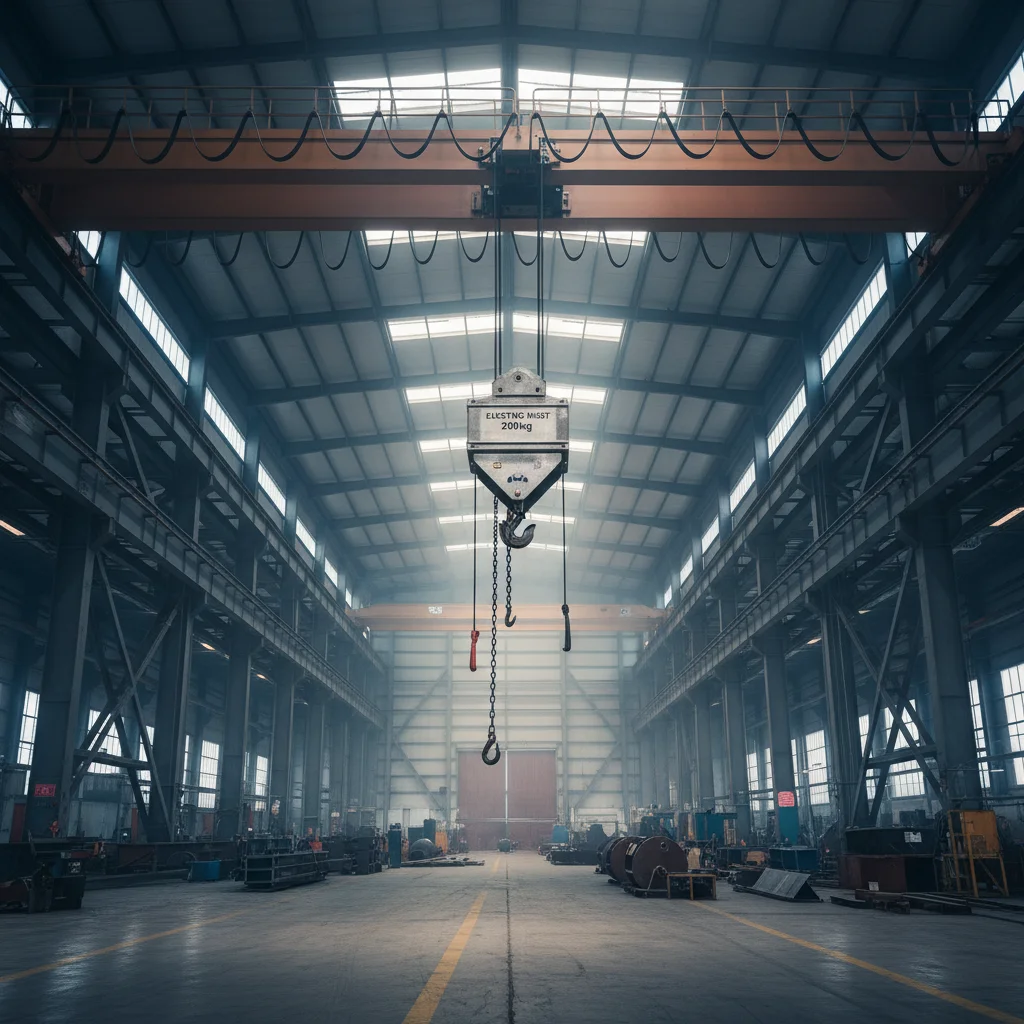
The versatility of the electric hoist wire rope allows it to be used in a vast array of real-world contexts. In large-scale manufacturing hubs in East Asia and North America, these ropes are the backbone of assembly lines, lifting heavy chassis and engine components with millimeter precision to ensure quality and speed.
Beyond the factory floor, wire ropes are critical in remote industrial zones, such as mining operations in Australia or oil rigs in the North Sea. In these harsh environments, specialized corrosion-resistant ropes are employed to prevent salt-air degradation, ensuring that heavy equipment can be moved safely even in the most extreme weather conditions.
Comparison of Electric Hoist Wire Rope Performance Metrics
Long-Term Value and Safety Advantages
Investing in high-quality electric hoist wire rope provides tangible long-term value by enhancing operational reliability. From a logical perspective, the use of superior materials reduces the frequency of rope breakage, which in turn lowers maintenance costs and prevents the catastrophic expense of load drops.
From an emotional and ethical standpoint, the primary advantage is the peace of mind it brings to the workforce. When employees trust that the lifting equipment is supported by the strongest available wire rope, their confidence increases, and the risk of workplace anxiety and accidents is minimized, fostering a culture of safety and professional dignity.
Future Trends in Lifting Wire Technology
The future of the electric hoist wire rope is being shaped by the digital transformation of industry. Smart ropes equipped with embedded sensors are beginning to emerge, allowing for real-time monitoring of tension and wear. This shift toward "predictive maintenance" means that a rope can signal its own need for replacement before a failure occurs.
Additionally, the move toward green energy and sustainability is influencing the metallurgy of wire ropes. New alloys are being developed that offer higher strength-to-weight ratios, reducing the energy required by the electric motor to lift the rope itself, thereby lowering the overall carbon footprint of the lifting operation.
Automation and AI are also playing a role, with automated winding systems that ensure the electric hoist wire rope is always spooled perfectly. This eliminates the common issue of "bird-nesting" or overlapping, which is a leading cause of premature wire wear and failure in traditional systems.
Overcoming Common Wire Rope Challenges
Despite their strength, electric hoist wire rope components face persistent challenges, most notably corrosion and abrasion. In environments with high humidity or salt exposure, oxidation can eat through the inner strands of the rope, hiding the damage from a superficial visual inspection.
To overcome these limitations, experts recommend a dual approach: using high-performance lubricants and implementing a strict scheduled inspection regime. Applying specialized wire rope grease not only reduces friction between strands but also creates a waterproof barrier that significantly extends the rope's usable life.
Another common challenge is improper spooling, which causes localized crushing of the rope. The solution lies in the installation of rope guides and the training of operators to ensure loads are centered. By combining technical hardware upgrades with human expertise, the reliability of the lifting system is maximized.
Comparison of Wire Rope Solutions Across Different Industrial Environments
| Environment Type |
Recommended Rope Material |
Key Maintenance Priority |
Expected Lifespan Score |
| General Warehouse |
Galvanized Steel |
Lubrication |
9/10 |
| Marine/Coastal |
Stainless Steel 316 |
Corrosion Monitoring |
7/10 |
| Heavy Mining |
High-Tensile Alloy |
Abrasion Check |
6/10 |
| Chemical Plant |
PVC Coated Wire |
Coating Integrity |
8/10 |
| Cold Storage |
Low-Temp Carbon Steel |
Brittleness Testing |
7/10 |
| Precision Auto Mfg |
Steel Core Precision Rope |
Tension Calibration |
9/10 |
FAQS
Inspection frequency depends on the usage intensity. For heavy-duty industrial use, a daily visual check for kinks or broken wires is recommended, with a comprehensive professional inspection every 1-3 months. Following ISO and OSHA guidelines ensures that any fatigue or corrosion is caught before it becomes a safety risk.
The most common red flags include "bird-caging" (where strands separate), a significant increase in the number of broken outer wires, visible corrosion, or a reduction in the rope's nominal diameter. If the rope shows any signs of permanent deformation or kinking, it should be replaced immediately regardless of wear.
No, absolutely not. Chain and wire ropes have completely different load-bearing mechanics, winding requirements, and safety factors. Using an incompatible lifting medium can lead to drum failure, rope snapping, and catastrophic accidents. Always use the specific electric hoist wire rope specified by the manufacturer.
Lubrication serves two purposes: it reduces internal friction between the individual wires as they bend, and it seals the rope against moisture and chemicals. This prevents internal rust, which is often the "silent killer" of wire ropes since it cannot be seen from the outside until the rope fails.
A steel core provides higher strength and resists crushing when wound tightly on the drum, making it ideal for heavy loads. A fiber core provides more flexibility and is easier to handle. The "better" choice depends on whether your priority is maximum load capacity (Steel) or ease of installation and flexibility (Fiber).
Ensure that the hoist is installed perfectly level and that the load is lifted vertically. Using a rope guide is the most effective hardware solution. Additionally, ensuring the rope is under a minimum amount of tension during spooling prevents the loops from crossing over each other.
Conclusion
In summary, the electric hoist wire rope is a cornerstone of industrial safety and productivity. From the selection of the core material to the implementation of a rigorous lubrication and inspection schedule, every detail contributes to the longevity of the equipment and the safety of the operator. By understanding the balance between durability, cost, and technical specifications, businesses can optimize their lifting operations for maximum efficiency.
Looking forward, the integration of smart sensors and sustainable metallurgy will further revolutionize how we maintain and utilize lifting ropes. We encourage all facility managers and operators to move toward predictive maintenance and prioritize high-grade materials to ensure a safer, more reliable industrial future. For premium lifting solutions and expert guidance, visit our website: www.juyinghoist.com