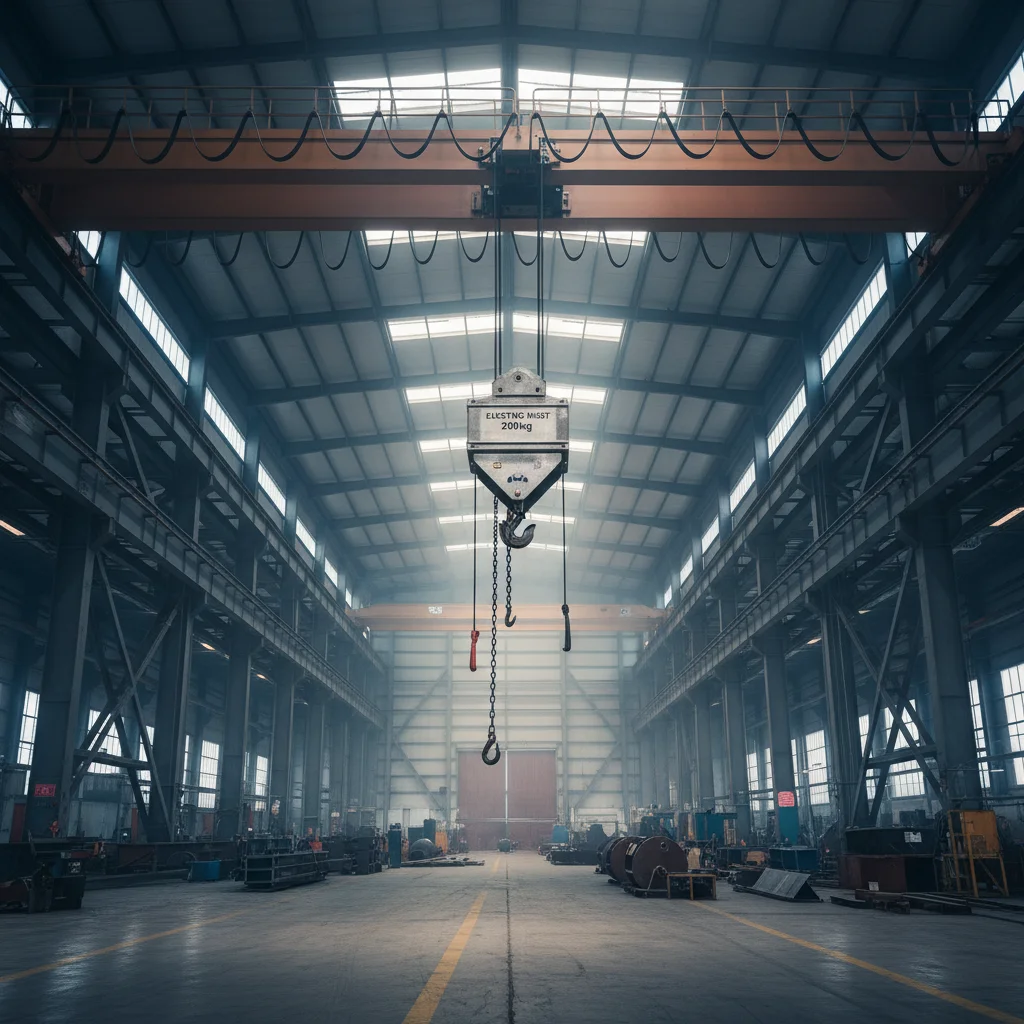
The 220v electric hoist – it’s not just a piece of equipment, it's a lifesaver on any job site. I've spent years hauling materials, watching crews struggle with inefficient lifting, and frankly, witnessing some dangerous shortcuts. A reliable 220v electric hoist isn’t about speed, though that's a bonus; it’s about control, safety, and getting the job done right, minimizing strain and potential injuries. From small workshops to sprawling construction sites, it’s the unsung hero that keeps things moving.
What really strikes me, having worked on projects across the board, is the consistency a good 220v hoist brings. Whether it's lifting steel beams in a new build or moving equipment around a maintenance site, it levels the playing field. It allows smaller crews to tackle bigger jobs and ensures consistent lift capacity without relying solely on manpower. And in today’s market, where skilled labor is harder to find, that’s a massive advantage.
You see a lot of flashy tech at trade shows, but at the end of the day, tools need to work, plain and simple. The 220v electric hoist is a prime example of that. It’s a robust, relatively simple technology that, when properly maintained, delivers consistent performance. It's a bread-and-butter tool, but it’s one that makes or breaks a schedule and keeps people safe.
The Core Principles of 220v Electric Hoist Applications
The fundamental principle behind a 220v electric hoist is simple: provide mechanical advantage to lift heavy loads with minimal human effort. But understanding the nuances – load capacity, lifting height, duty cycle – that’s where things get critical. You don’t just throw a hoist up and expect it to handle anything. It’s about matching the hoist to the specific application, calculating loads accurately, and knowing its limitations. I’ve seen too many near misses because someone tried to push a hoist beyond its rated capacity.
It's also about the environment. Dust, moisture, temperature fluctuations – these all impact hoist performance and lifespan. A hoist designed for indoor use isn’t going to hold up on a muddy construction site. Selecting a hoist with the appropriate IP rating and corrosion resistance is essential. You need a tool that can withstand the rigors of the job, and that’s often overlooked.
Global Impact and Industry Relevance of 220v Electric Hoist
Looking at the global scale, the demand for 220v electric hoists is intrinsically linked to infrastructure development and industrial output. The UN estimates that global construction output will reach $15.4 trillion by 2030 (source: Global Construction 2030 report). That kind of growth requires efficient lifting solutions, and 220v hoists are a workhorse in that sector. They’re not glamorous, but they’re essential.
We're seeing increased demand in emerging economies as they modernize their infrastructure. But even in established markets, the need for efficient and safe lifting is constant. From manufacturing plants to warehouses, to maintenance and repair operations, these hoists play a critical role. The ISO standards around lifting equipment are becoming stricter, too, forcing manufacturers to prioritize safety and reliability.
The biggest challenge, honestly, is ensuring proper training and maintenance. A poorly maintained hoist is a dangerous hoist. There’s a real need for standardized training programs to ensure operators understand safe lifting practices and can identify potential issues before they become serious problems.
Defining the 220v Electric Hoist: A Practical Perspective
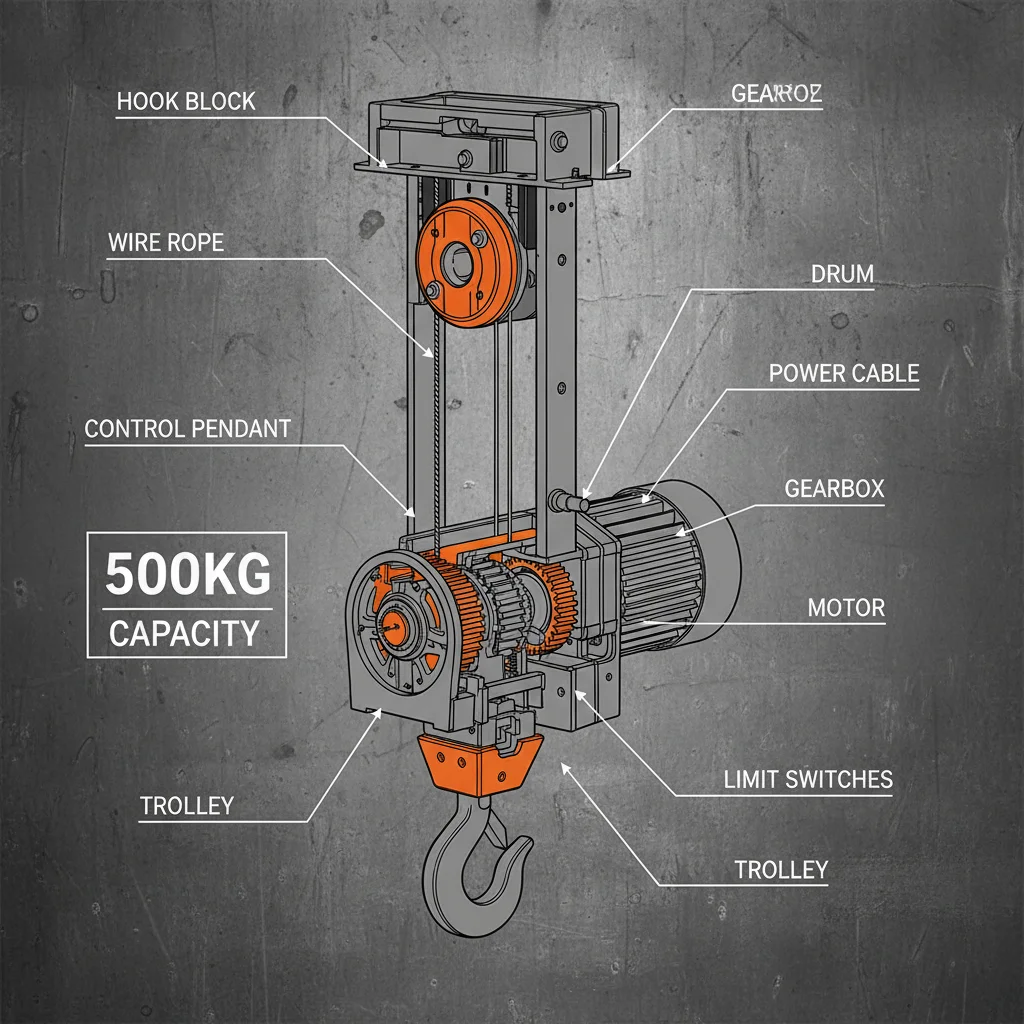
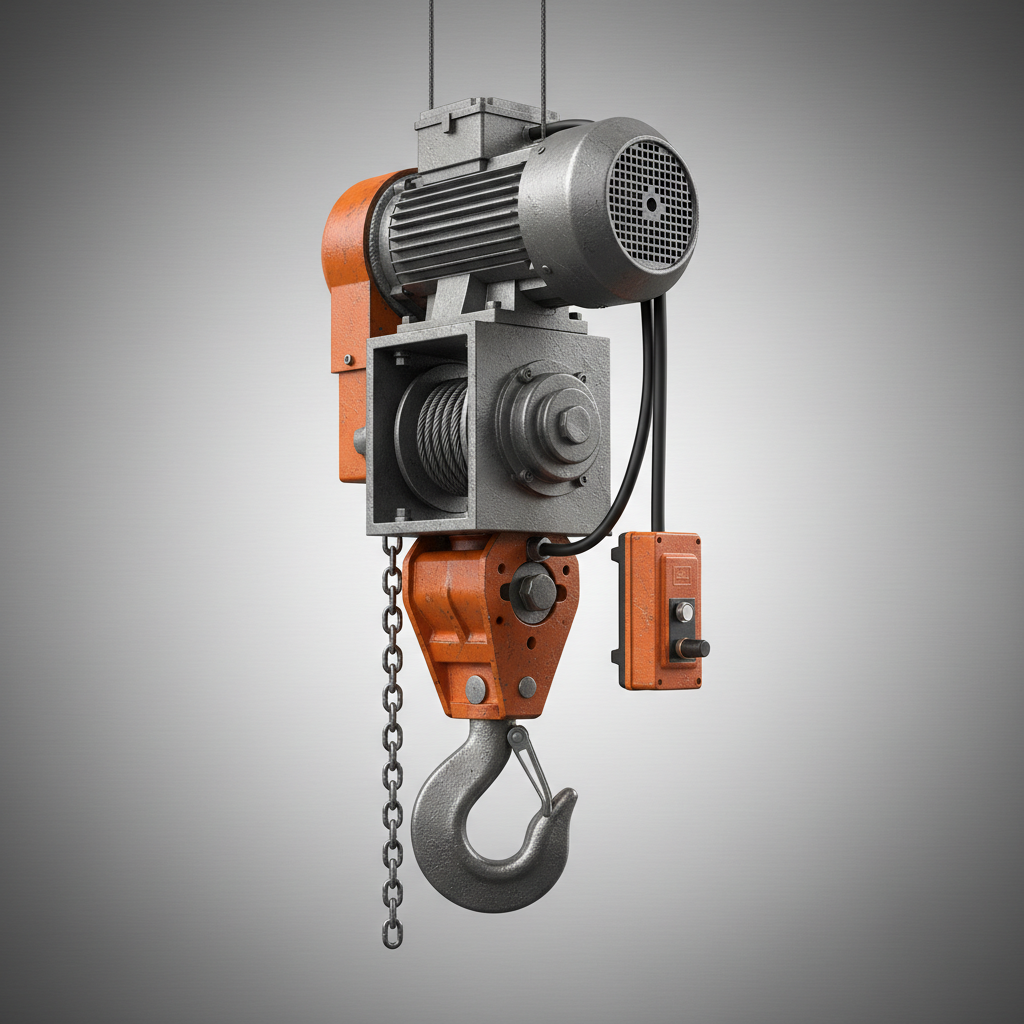
Simply put, a 220v electric hoist is a lifting device powered by a 220-volt electrical supply. It uses an electric motor to drive a drum or lift wheel, which raises or lowers a load via a wire rope or chain. It's a relatively self-contained unit, making it portable and easy to install. It differs from pneumatic or manual hoists in its power source and ease of operation.
It’s directly connected to modern industrial efficiency. Before these, everything relied on manpower or complex pulley systems. Now, a single operator can safely and efficiently lift loads that would previously require a team of workers. That translates to faster project completion times, reduced labor costs, and, most importantly, a safer work environment.
The connection to humanitarian needs is also important. In disaster relief, 220v hoists – often portable, generator-powered models – are crucial for clearing debris, lifting heavy objects, and assisting in rescue operations. They're used to move critical supplies and rebuild infrastructure, offering a lifeline to communities in need.
Key Performance Factors of 220v Electric Hoist
Durability is paramount. A hoist that can't withstand the daily grind isn’t worth the investment. Look for robust construction, high-quality materials, and a solid gear system. Scalability is also important – can the hoist be easily adapted to different lifting needs? A modular design, allowing for different wire rope lengths or lifting attachments, provides flexibility.
Cost efficiency extends beyond the initial purchase price. Consider the long-term maintenance costs, energy consumption, and potential downtime. A more expensive hoist with lower maintenance requirements may be cheaper in the long run. And don’t underestimate the importance of safety features – overload protection, emergency stop buttons, and reliable braking systems are non-negotiable.
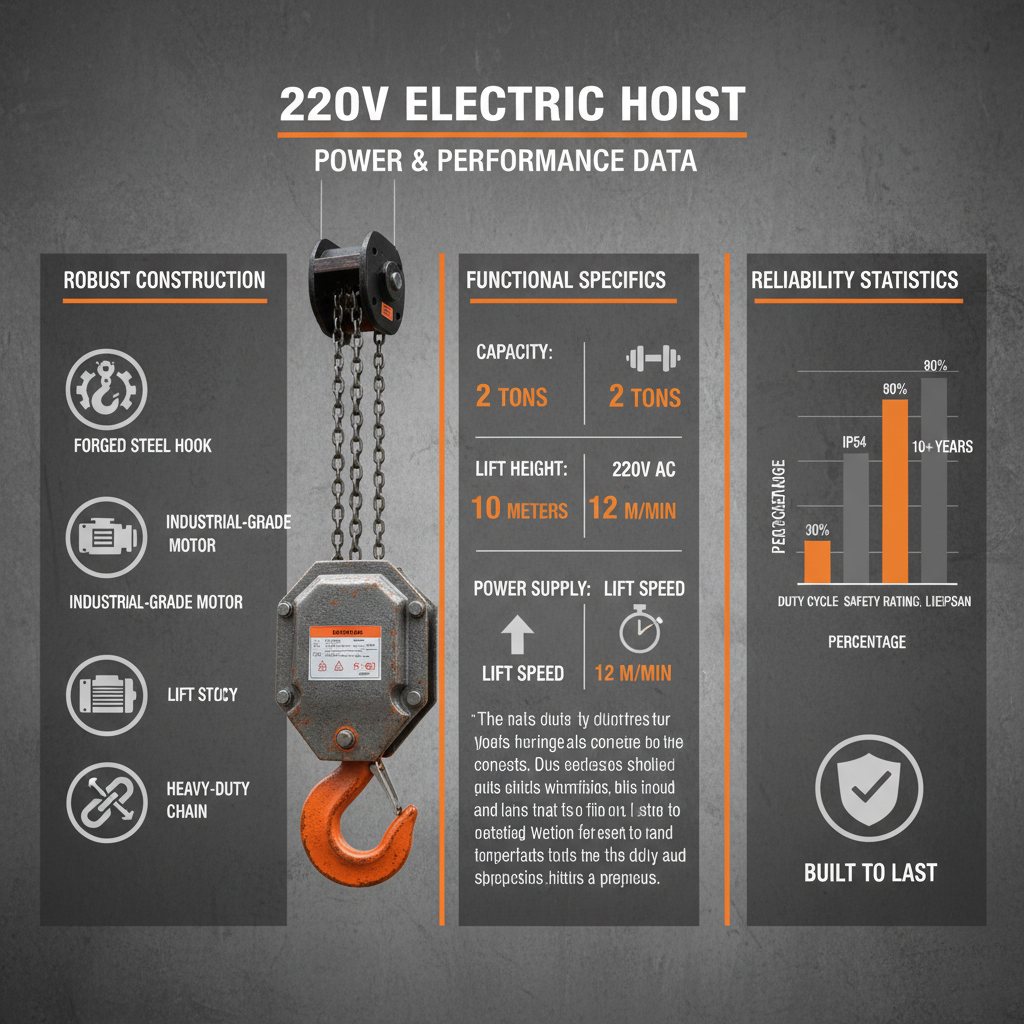
220v Electric Hoist Performance Metrics
Real-World Applications of 220v Electric Hoist
In post-disaster relief operations, you'll find these hoists clearing rubble and lifting debris to access survivors. I’ve seen them used extensively after earthquakes and hurricanes, providing a much-needed mechanical advantage when time is of the essence. In remote industrial zones, where access is limited and heavy lifting is required, they’re often the only viable solution.
Manufacturing facilities rely on 220v electric hoists for moving materials, assembling products, and maintaining equipment. Shipyards use them for lifting and positioning large components during vessel construction. Warehouses utilize them for efficient loading and unloading of goods. They’re incredibly versatile and adaptable to a wide range of applications.
The Long-Term Value Proposition of 220v Electric Hoist
The tangible benefits are clear: reduced labor costs, increased efficiency, and improved safety. But there’s also a long-term return on investment. A well-maintained 220v hoist can last for years, providing reliable service and minimizing downtime. That’s a significant cost saving over time.
It boosts morale, too. Workers feel safer and more productive when they have the right tools for the job. That contributes to a more positive work environment and reduces the risk of accidents. And ultimately, a safer and more efficient workplace translates to a more profitable business.
Emerging Trends and Innovations in 220v Electric Hoist Technology
We're seeing a push towards smart hoists with integrated sensors and data analytics. These systems can monitor load weight, lifting speed, and operating conditions, providing valuable insights for predictive maintenance and optimizing performance. Wireless control systems are also becoming more common, offering greater flexibility and operator comfort.
The integration of variable frequency drives (VFDs) allows for precise control of lifting speed and reduces energy consumption. This aligns with the growing emphasis on sustainability and energy efficiency. And there's a trend towards lighter-weight materials – high-strength alloys and composites – that reduce the overall weight of the hoist without compromising its strength or durability.
I expect to see more focus on remote monitoring and diagnostics. Being able to remotely assess the condition of a hoist can prevent unexpected breakdowns and minimize downtime, particularly in remote locations. And, of course, continued improvements in safety features will remain a top priority.
Analysis of Factors Affecting 220v Electric Hoist Reliability
| Maintenance Schedule Adherence |
Environmental Exposure Level |
Operator Skill & Training |
Component Quality |
| Strict adherence to recommended maintenance intervals. |
Minimal exposure to harsh elements (dust, moisture, extreme temperatures). |
Highly trained operators with thorough understanding of safe lifting practices. |
Utilizing high-quality components from reputable manufacturers. |
| Regular maintenance, but with occasional delays. |
Moderate exposure to dust and occasional moisture. |
Adequately trained operators with basic understanding of safety procedures. |
Components of average quality, meeting basic industry standards. |
| Infrequent maintenance, primarily reactive repairs. |
Significant exposure to harsh elements, leading to corrosion and wear. |
Operators with limited training, relying on experience and intuition. |
Lower-quality components, prone to failure and requiring frequent replacement. |
| No scheduled maintenance, relying solely on emergency repairs. |
Constant exposure to extreme elements, accelerating degradation. |
Untrained operators, exhibiting unsafe lifting practices. |
Substandard components, posing a significant safety risk. |
| Proactive maintenance with predictive analytics integration. |
Controlled environment with minimal exposure to contaminants. |
Certified operators with specialized training in hoist operation and safety. |
Premium components sourced from leading manufacturers, exceeding industry standards. |
| Preventative maintenance scheduled based on operational data. |
Protected environment with filtration and climate control. |
Experienced operators regularly assessed and re-certified. |
Durable components with extended warranties and proven track record. |
FAQS
With consistent and proper maintenance – including regular lubrication, inspection of wire ropes and chains, and prompt replacement of worn parts – a good quality 220v electric hoist can easily last 10-15 years or even longer. Environmental factors and the severity of use will naturally impact this, but a proactive maintenance schedule is key. We always recommend adhering to the manufacturer’s guidelines.
Never guess! You must calculate the total weight being lifted, including the weight of the load itself and any rigging equipment (slings, shackles, etc.). Always add a safety factor – typically 20-25% – to account for dynamic loads and unforeseen circumstances. Select a hoist with a rated capacity that exceeds this calculated weight. Consult with a lifting specialist if you're unsure.
Essential safety features include overload protection (which automatically stops the hoist if the load exceeds its capacity), an emergency stop button within easy reach of the operator, and a reliable braking system that engages immediately when power is lost. A wire rope or chain guard is also crucial to prevent entanglement. Look for hoists that meet relevant safety standards (e.g., CE, ISO).
Regular maintenance includes lubricating moving parts, inspecting wire ropes or chains for wear and tear, checking the braking system, and ensuring all electrical connections are secure. You should also regularly inspect the hoist hook for cracks or deformation. A thorough annual inspection by a qualified technician is highly recommended. Keep a detailed maintenance log.
It depends on the hoist's IP rating. This rating indicates its level of protection against dust and water. For outdoor use, you'll need a hoist with a higher IP rating (e.g., IP65 or higher). Even with a suitable IP rating, it's best to avoid operating the hoist during severe weather conditions (heavy rain, snow, or lightning). Consider using a protective cover when the hoist is not in use.
Wire rope hoists generally offer higher lifting capacities and are better suited for long lifts. Chain hoists are more compact, offer precise positioning, and are often preferred for applications where headroom is limited. Chain hoists also tend to require less maintenance. The choice depends on your specific needs and application requirements.
Conclusion
The 220v electric hoist is more than just a lifting device; it’s a critical component of safe and efficient operations across countless industries. Understanding its principles, applications, and evolving technologies is essential for anyone involved in construction, manufacturing, or logistics. Investing in a quality hoist, combined with proper training and maintenance, pays dividends in terms of productivity, safety, and long-term cost savings.
Looking ahead, the trend towards smart hoists and data-driven maintenance will undoubtedly shape the future of this technology. Embracing these innovations will enable us to optimize performance, minimize downtime, and create safer working environments for everyone. If you’re looking for a reliable and efficient 220v electric hoist for your next project, visit our website: 220v electric hoist.