
Industrial Lifting Solutions with CD1 electric wire rope hoist
Industrial Lifting Solutions with CD1 electric wire rope hoist
Optimizing Industrial Lifting with the CD1 Electric Wire Rope Hoist
In the modern industrial landscape, efficiency and safety in material handling are non-negotiable. The CD1 electric wire rope hoist emerges as a cornerstone solution for warehouses, workshops, and construction sites worldwide. Designed for versatility and robustness, this hoist simplifies the process of lifting heavy loads vertically, reducing manual labor and minimizing the risk of workplace accidents. Whether you are managing a small garage or a large-scale manufacturing plant, understanding the capabilities of the CD1 model is key to optimizing your operational workflow and ensuring long-term equipment reliability.
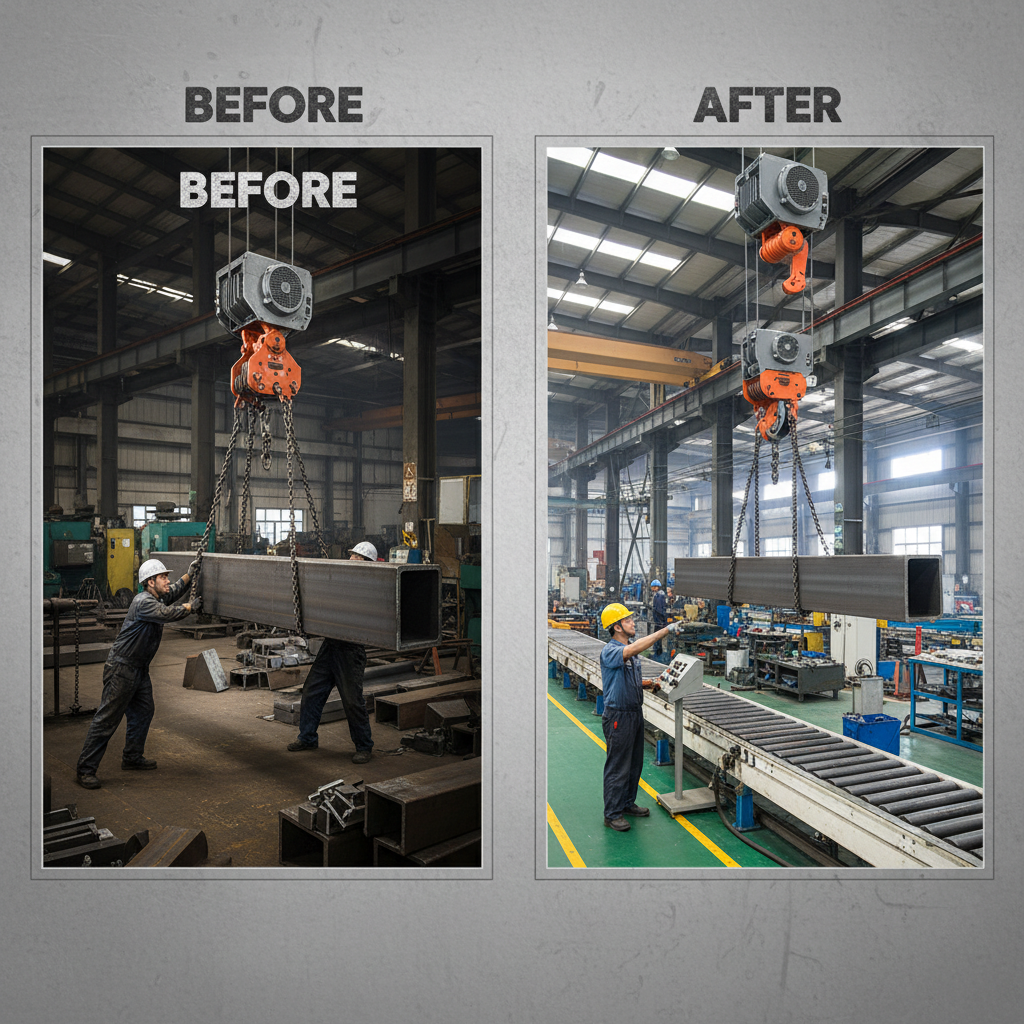
Core Mechanical Advantages of the CD1 Electric Wire Rope Hoist
The CD1 electric wire rope hoist is engineered for high performance and durability. One of its primary advantages is the compact design, which allows for easy installation in tight spaces without compromising lifting capacity. The hoist utilizes a high-strength gear system and a precision-wound wire rope that ensures smooth acceleration and deceleration during operation. By integrating an efficient electric motor, the CD1 model provides consistent torque, allowing operators to lift heavy components with precision. This reliability makes it an indispensable tool for industries that require frequent lifting cycles and high uptime.
Key Engineering Highlights: High-strength alloy steel gears for reduced wear, reinforced wire rope for maximum safety, and a sealed motor housing to protect internal components from industrial dust and debris.
Safety Features Integrated into the CD1 Model
Safety is the top priority when dealing with overhead lifting. The CD1 electric wire rope hoist incorporates several fail-safe mechanisms to protect both the operator and the load. A critical feature is the automatic limit switch, which prevents the hook from over-traveling at the top or bottom of the lift, avoiding potential cable snaps or motor burnout. Additionally, the electromagnetic braking system ensures that the load remains securely locked in place the moment power is cut, preventing accidental drops. These features collectively ensure that the hoist meets rigorous industrial safety standards, providing peace of mind during complex lifting operations.
CD1 Electric Wire Rope Hoist Technical Specifications
Selecting the right hoist requires a deep dive into technical data to ensure the equipment matches the load requirements. The CD1 electric wire rope hoist comes in various capacities to suit different industrial needs. Below is a detailed specification table highlighting the common configurations available for this series.
Versatile Applications for the CD1 Electric Wire Rope Hoist
The adaptability of the CD1 electric wire rope hoist makes it a preferred choice across various sectors. In automotive repair shops, it is frequently used to lift engines and heavy transmissions. In the construction industry, it assists in moving building materials to higher floors with ease. Moreover, manufacturing plants rely on the CD1 for moving heavy machinery parts across assembly lines. Because of its streamlined operation, it integrates seamlessly with electric trolleys, allowing for both vertical and horizontal movement, thus transforming a simple hoist into a complete material handling system.
Maintenance Tips for Extending Hoist Lifespan
To ensure that your CD1 electric wire rope hoist continues to operate at peak efficiency, a proactive maintenance schedule is essential. Regular lubrication of the gears and wire rope reduces friction and prevents premature wear. Operators should conduct weekly visual inspections of the wire rope for any signs of fraying or kinking. Additionally, testing the emergency stop and limit switches ensures that safety mechanisms remain functional. By adhering to a strict maintenance regimen, companies can avoid costly downtime and extend the operational life of their hoisting equipment significantly.
Maintenance Checklist:
• Lubricate wire rope and gear assembly every 3 months
• Inspect brake lining for wear and tear monthly
• Verify electrical connections and control pendant integrity
• Check for rope tension and proper spooling on the drum
Conclusion: Scaling Productivity with Juying Hoists
The CD1 electric wire rope hoist represents the perfect balance of power, safety, and cost-effectiveness. By automating the most strenuous parts of material lifting, it allows businesses to increase their throughput while keeping worker safety as the top priority. From its robust construction to its intuitive controls, the CD1 model is designed to meet the demands of any industrial environment. Investing in high-quality lifting solutions from Juying ensures that your operations remain smooth, safe, and scalable for years to come.
Frequently Asked Questions (FAQs)
How do I choose the right capacity for a CD1 hoist?
Choosing the right capacity involves calculating the maximum weight of the load you intend to lift, including any rigging gear (slings, shackles). It is highly recommended to select a hoist with a capacity slightly higher than your maximum load to avoid operating at 100% capacity constantly, which reduces wear and tear. For example, if your heaviest load is 800kg, a 1.0T CD1 electric wire rope hoist would be the ideal choice to ensure a safety margin and long-term durability.
Can the CD1 hoist be used in outdoor environments?
The standard CD1 model is primarily designed for indoor industrial use. While it can withstand some dust and temperature fluctuations, prolonged exposure to heavy rain or extreme humidity can corrode the wire rope and damage the electrical components. If you require an outdoor solution, we recommend looking for models with a higher IP (Ingress Protection) rating or using a protective cover. Always ensure the CD1 electric wire rope hoist is properly sheltered to maintain its operational integrity.
What is the difference between CD1 and other hoist models?
The CD1 is a single-speed hoist known for its simplicity, cost-effectiveness, and ease of installation. Compared to the CD2 model, which typically offers dual-speed options for more precise positioning, the CD1 is better suited for general-purpose lifting where high speed and simplicity are more important than variable speed control. It provides a streamlined solution for those who need a reliable vertical lift without the complexity of multi-speed systems, making it the most popular choice for small to medium enterprises.
How often should the wire rope be replaced?
There is no fixed timeframe for wire rope replacement, as it depends entirely on the frequency of use and the weight of the loads. However, a rope should be replaced immediately if it shows signs of "bird-caging," broken strands, or significant diameter reduction. As a general rule, most industrial facilities perform a thorough inspection every six months and replace the rope every 2-3 years depending on usage. Regular lubrication is the best way to delay this replacement. For expert guidance on rope maintenance, visit Juying Hoist.
Prev:
-
 Electric Hoist with the 400kg Capacity Aluminum Shell Electric Winch
 -
 G80 Chain Manufacturer 6mm Black Oxide Link Chain
 -
 GSToyo Brand 5 Ton Manual Operated Chain Hoist High Quality Lifting Tools Chain Pulley Block
 -
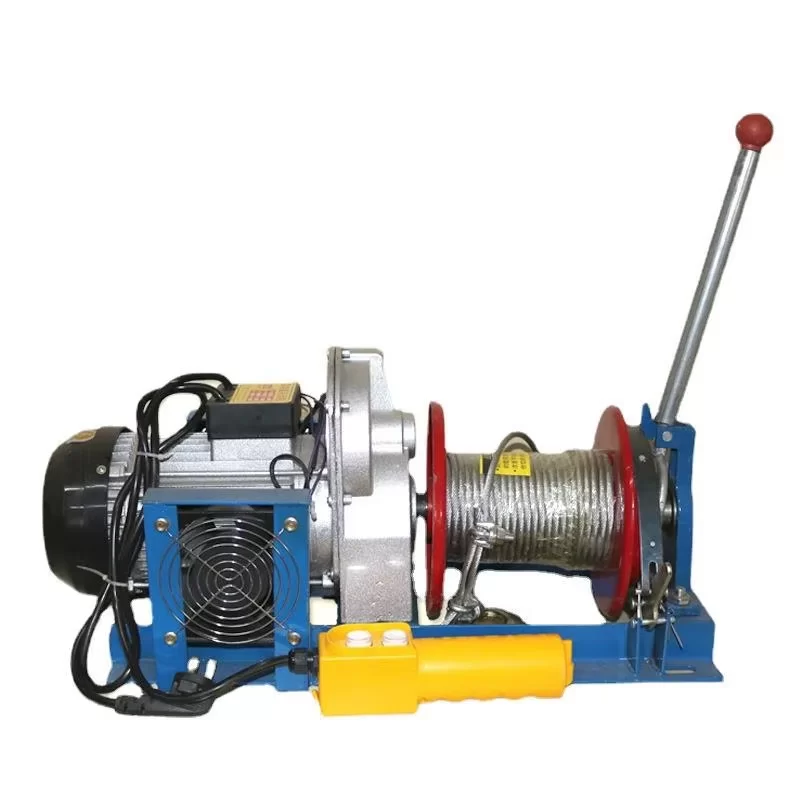 Fast Speed 220V/380V Electric Clutch Winch for Lifting
 -
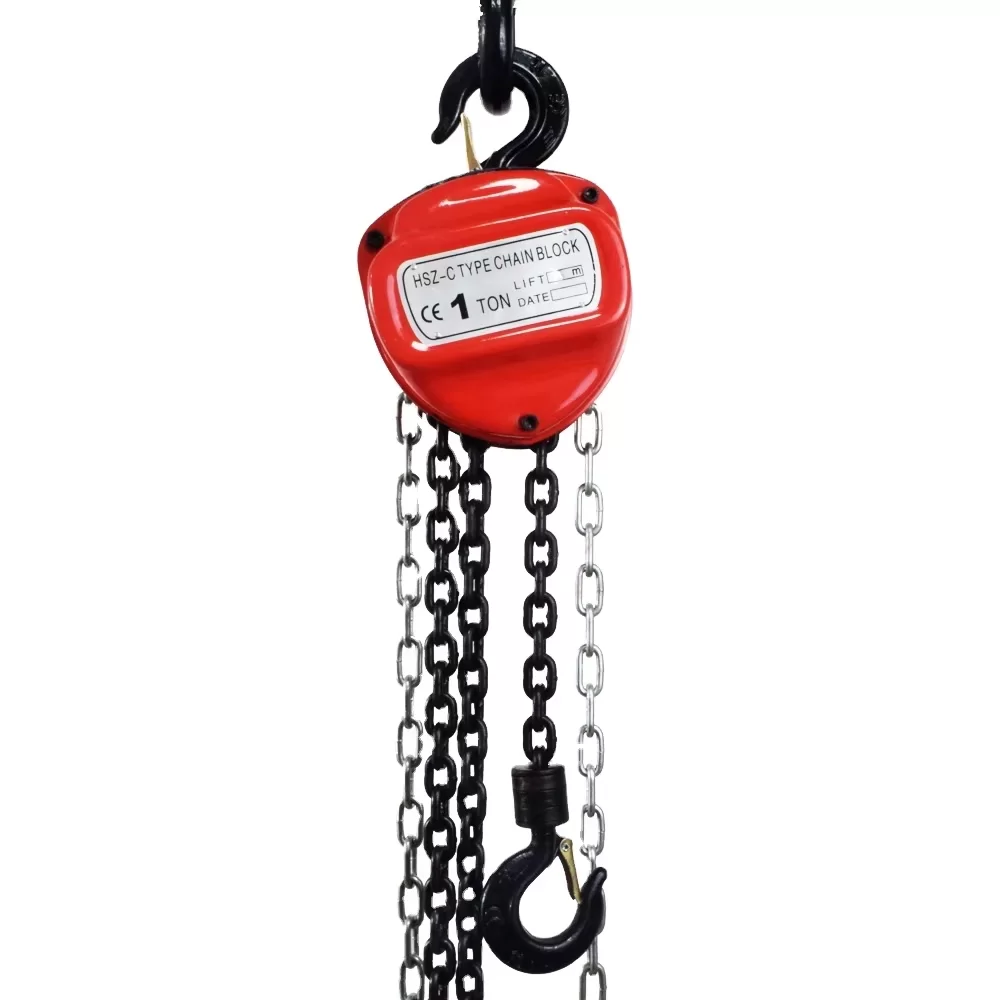 Cheap Price 1Ton Hand Chain Puller Manual Lifting Hoist
 -
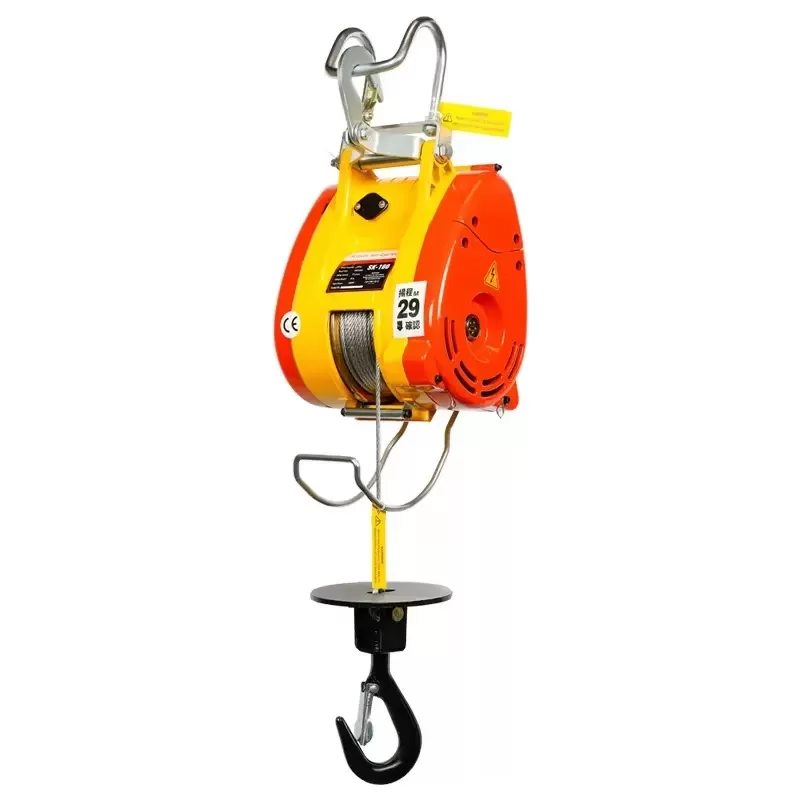 110V 100 Kg /300 Kg /500 Kg Suspend Electric Winch With Wireless Remote Control
 -
 10 Ton Industrial Lifting Belt Safety Web Sling Round Webbing Slings
 -
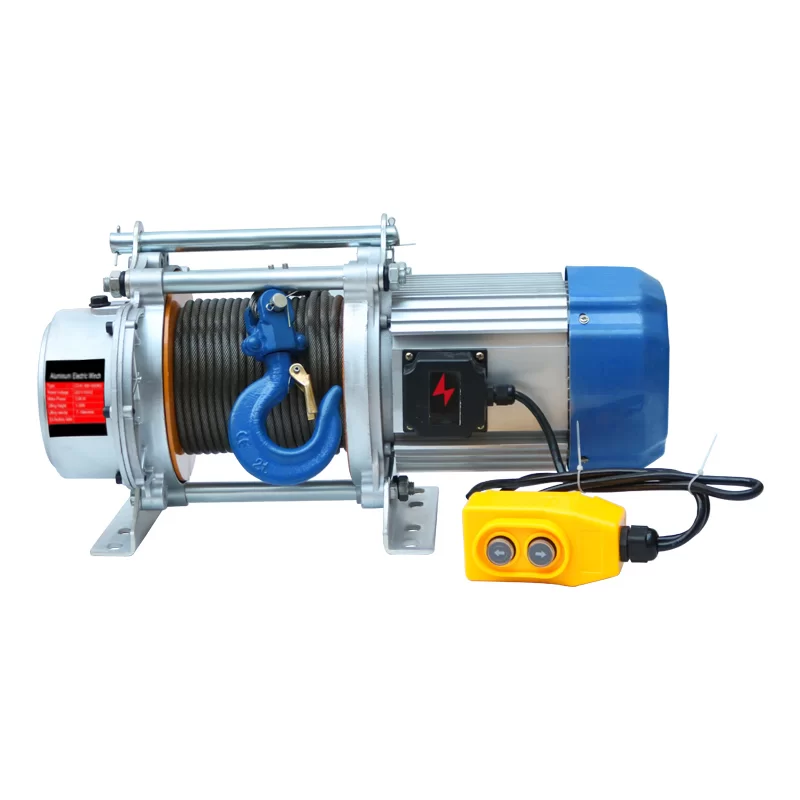 New 1 Ton Electric Hoist with 30m-100m Lifting Range Small 220v Electric Winch Aluminum Shell Wire Rope Sling for Goods
-
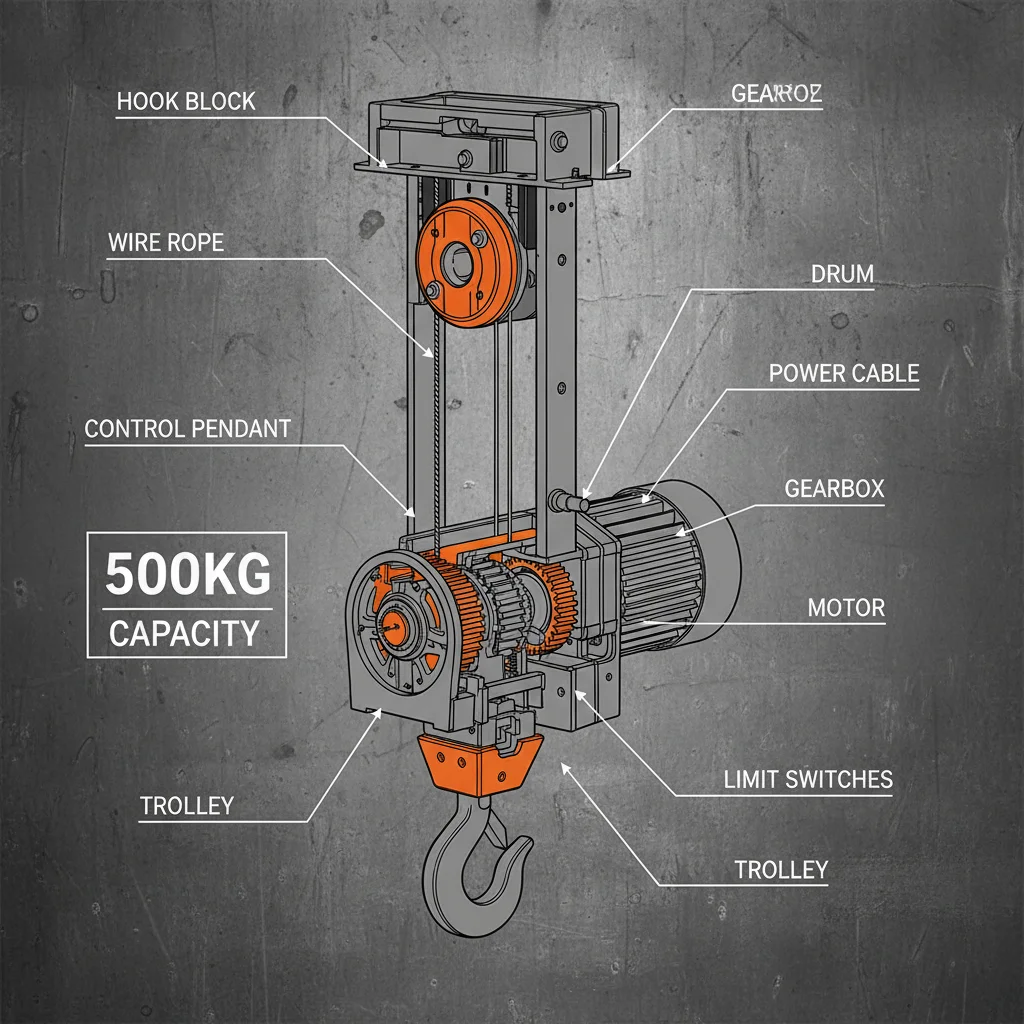 May 01, 2026Industrial 500kg electric hoist for efficient material liftingIn the modern industrial landscape, the efficiency of material handling often dictates the overall productivity of a facility. A 500kg electric hoist serves as a critical bridge between manual labor and heavy-duty industrial cranes, providing a precise, safe, and powered solution for lifting mid-range loads. By automating the vertical movement of materials, businesses can significantly reduce workplace injuries and optimize their operational flow. Globally, the demand for compact lifting solutions has surged as urban warehouses and small-scale manufacturing shops seek to maximize their vertical space. The versatility of a 500kg electric hoist allows it to be integrated into various environments
 -
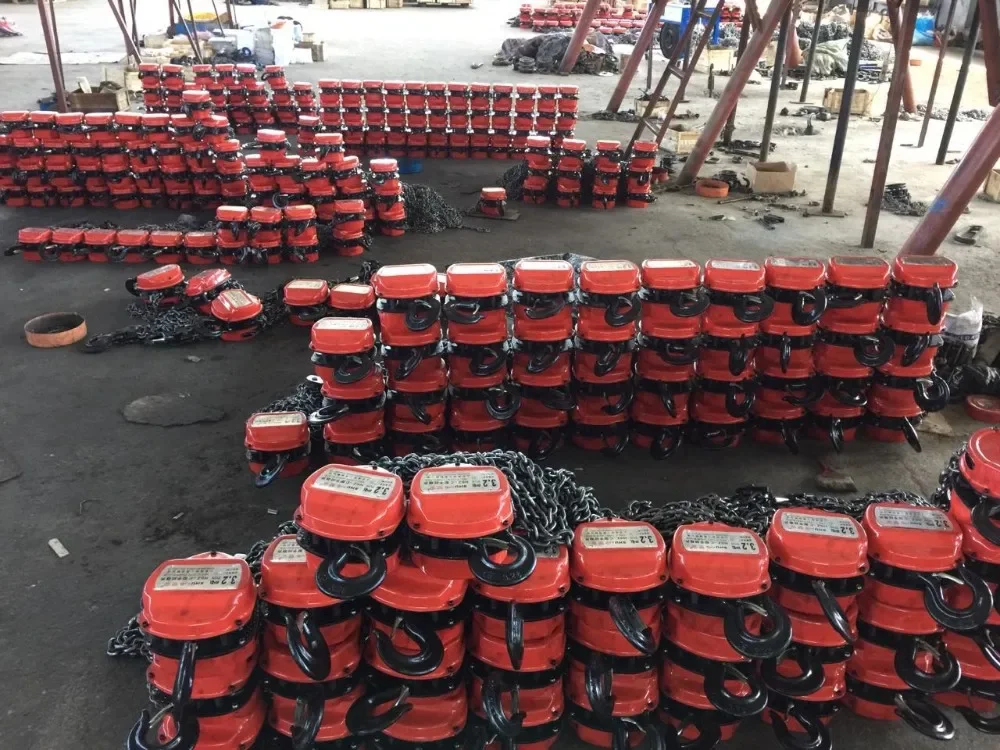 March 25, 2026Manual Chain Blocks – Durable Lifting Solutions for Global Industrial Needs
Global Demand for Manual Chain Blocks Continues to Rise
Amid worldwide infrastructure growth, manufacturing upgrades and on-site maintenance demands, manual chain blocks (hand chain hoists) have become essential portable lifting tools for industrial sectors including construction, warehousing, shipbuilding and mining. These cordless, fuel-free tools are the top choice for off-grid, confined-space and temporary lifting jobs, thanks to their compact design, reliability and low operating costs. -
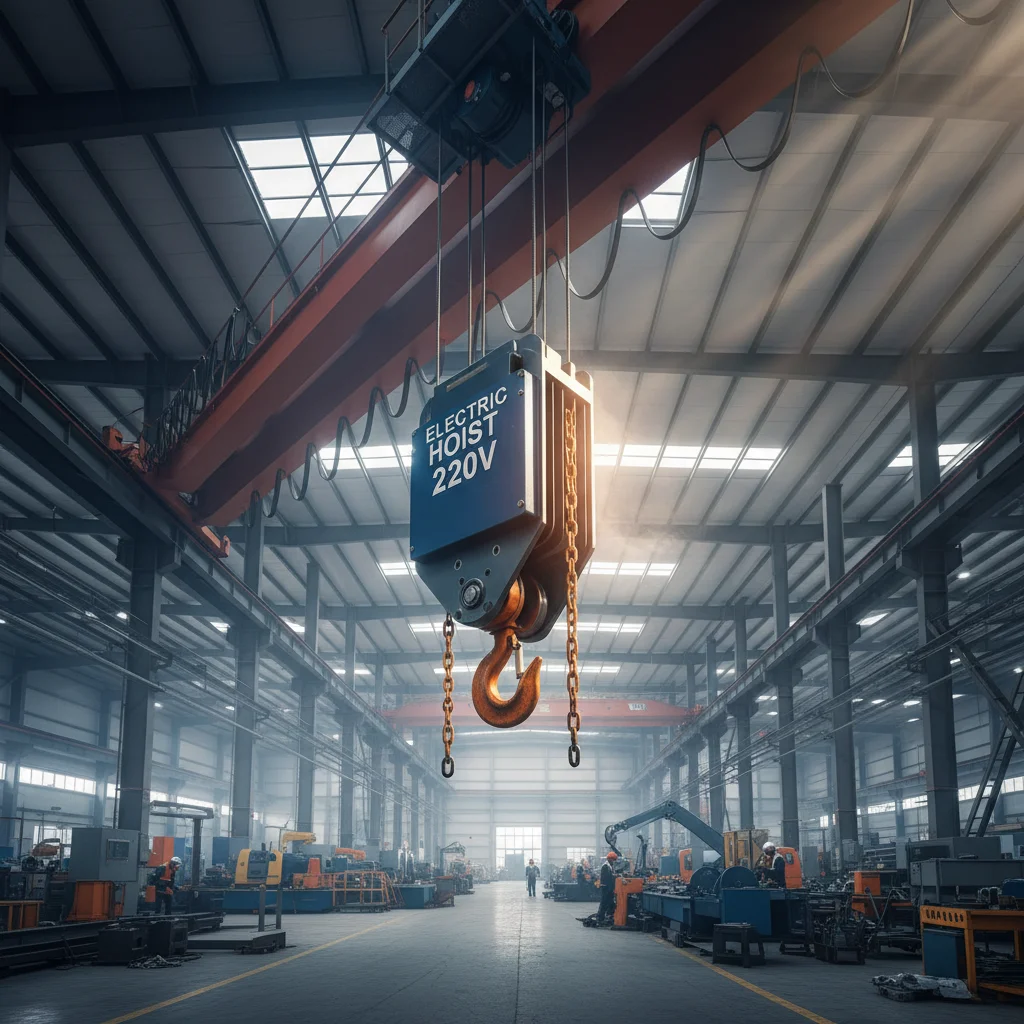 April 29, 2026Precision Engineered Electric Hoist 220V SystemsRevolutionizing light-duty lifting with high-performance 220V electric hoists designed for industrial safety and maximum operational efficiency. 2000 Annual Output 168 Countries Served 7 Days Sample Lead Time 99.9 On-Time Delivery Core Pillars of Lifting Excellence Our electric hoist 220v provides an optimal balance of power and precision, utilizing advanced material science to ensure long-term durability in rigorous manufacturing environments. By integrating smart motor control and reinforced steel structures, we deliver a lifting solution that prioritizes operator safety without compromising on speed.
 -
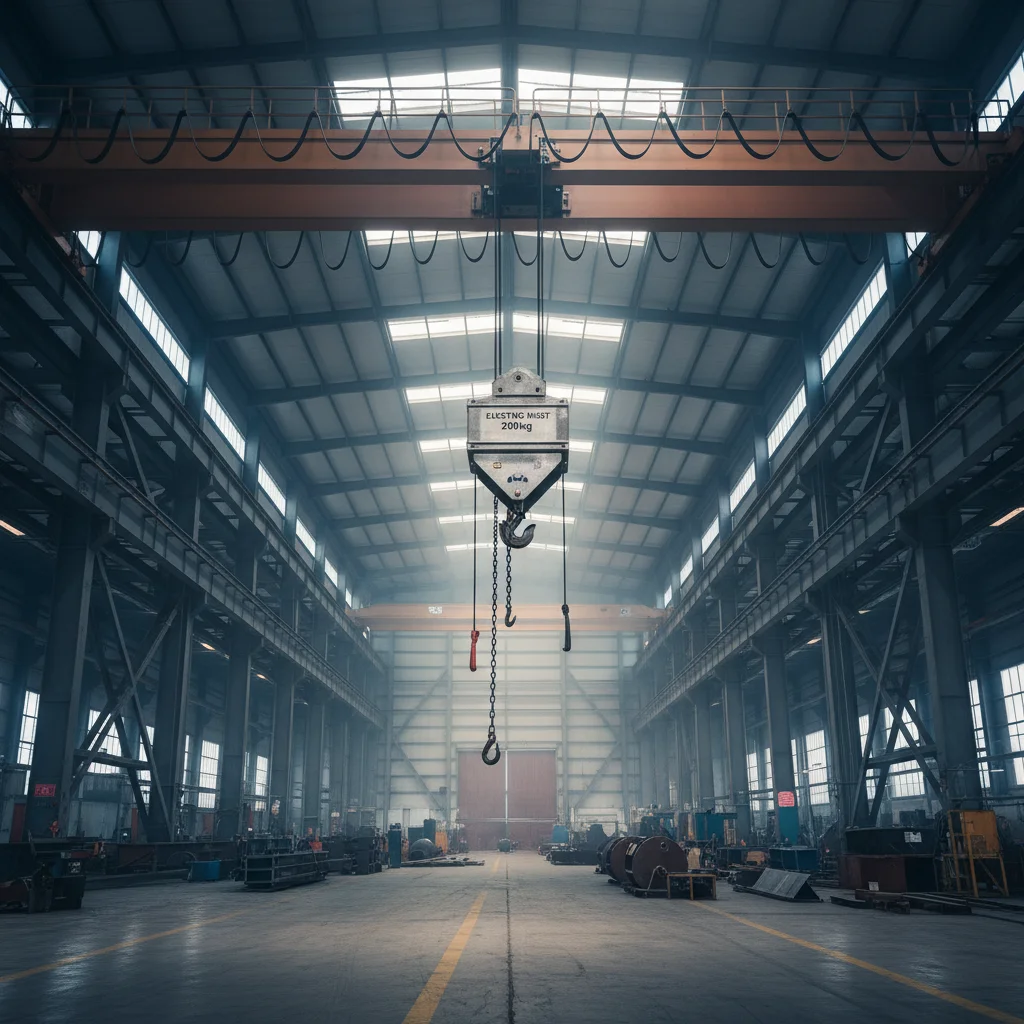 April 24, 2026Electric Hoist 200kg Guide for Industrial Lifting and SafetyIn the modern landscape of material handling, the electric hoist 200kg serves as a critical bridge between manual labor and heavy industrial machinery. For small-scale workshops, automotive garages, and home renovation projects, having a reliable lifting solution that handles a 200kg capacity ensures that operational efficiency is maximized without compromising on safety. By automating the vertical transport of materials, businesses can drastically reduce the risk of musculoskeletal injuries among staff while accelerating project timelines.
 -
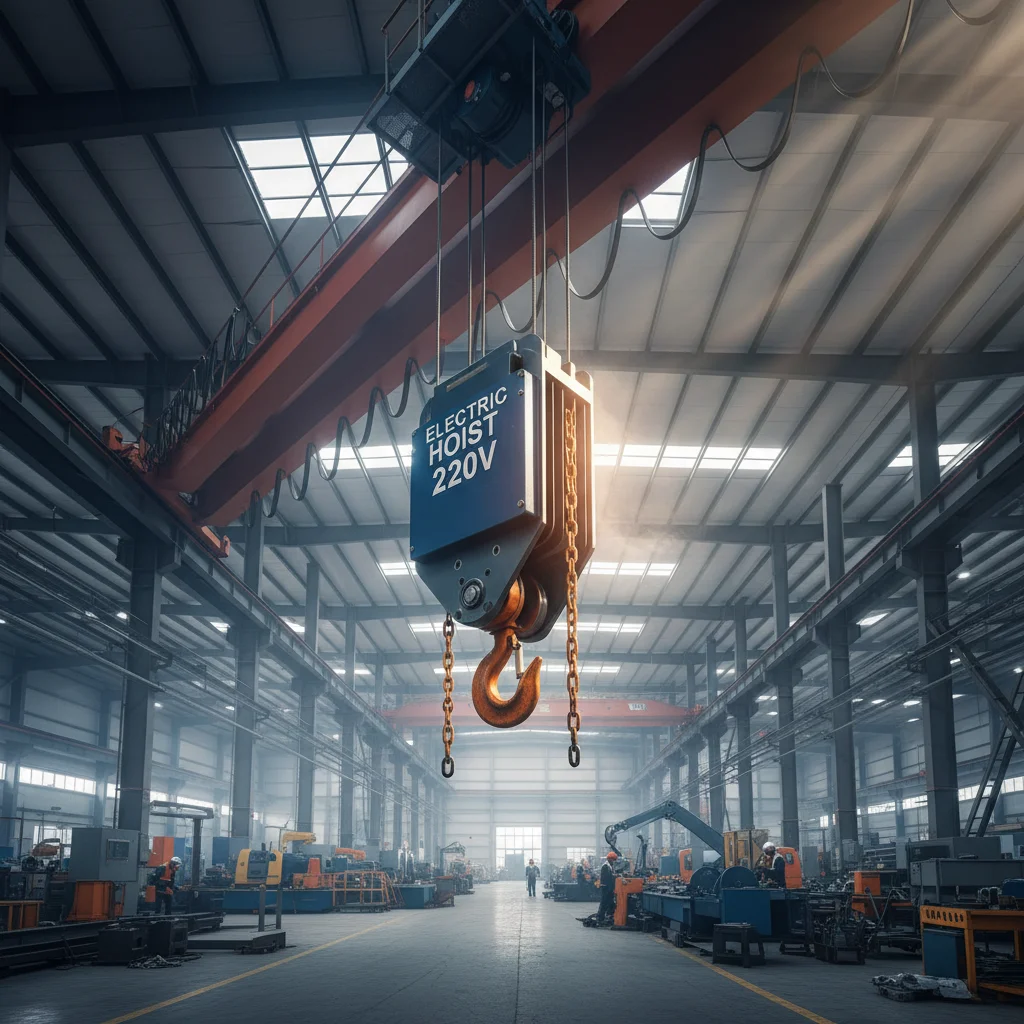 April 29, 2026Precision Engineered Electric Hoist 220V SystemsRevolutionizing light-duty lifting with high-performance 220V electric hoists designed for industrial safety and maximum operational efficiency. 2000 Annual Output 168 Countries Served 7 Days Sample Lead Time 99.9 On-Time Delivery Core Pillars of Lifting Excellence Our electric hoist 220v provides an optimal balance of power and precision, utilizing advanced material science to ensure long-term durability in rigorous manufacturing environments. By integrating smart motor control and reinforced steel structures, we deliver a lifting solution that prioritizes operator safety without compromising on speed.
 -
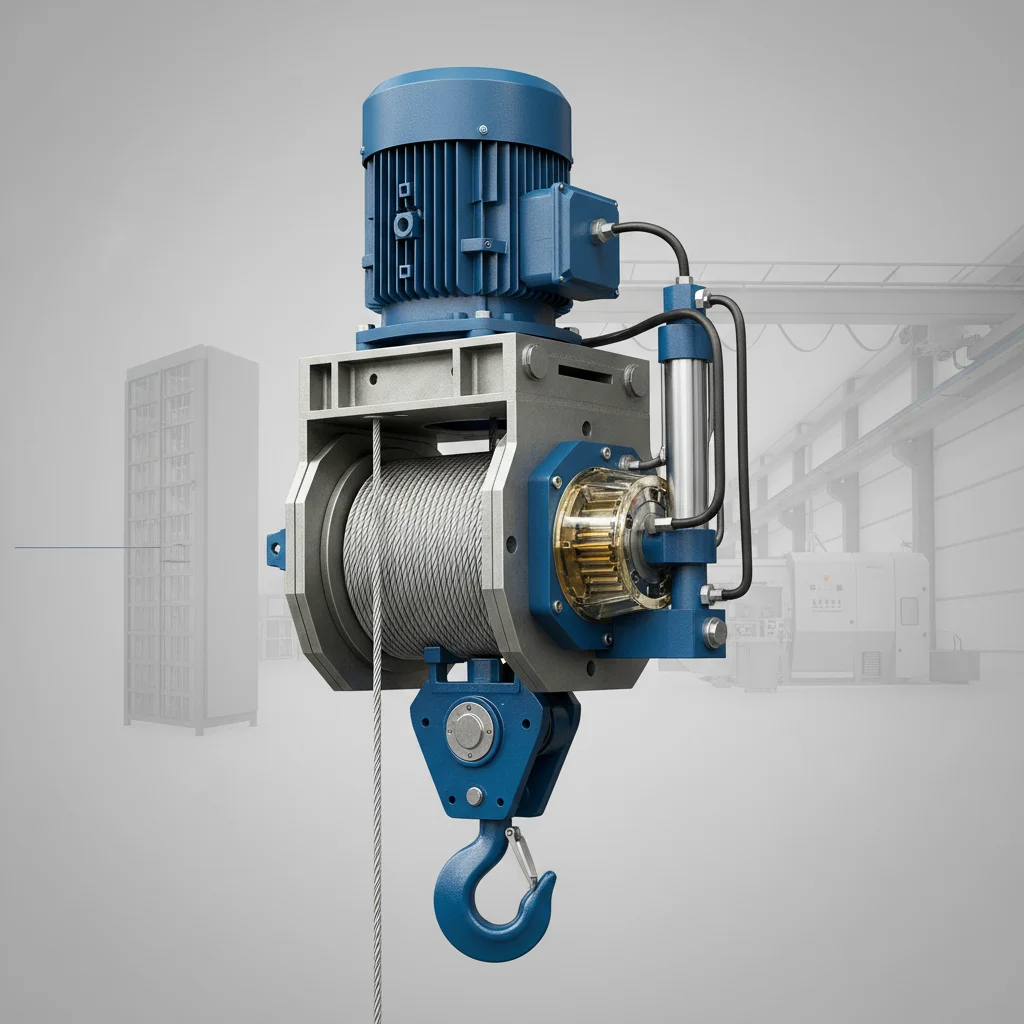 May 11, 2026Industrial Wire Rope Hoist Guide for Efficient LiftingThe modern industrial landscape relies heavily on the efficient movement of heavy loads, and the wire rope hoist stands as a cornerstone of this logistical framework. By combining high-tensile steel cables with precision motor engineering, these devices allow for the seamless vertical transport of materials in environments ranging from automotive assembly lines to massive shipping ports. Understanding the nuances of these systems is essential for optimizing workflow and ensuring operational safety. Globally, the demand for robust lifting solutions has surged as infrastructure projects in developing nations grow and automation increases in developed economies.
 -
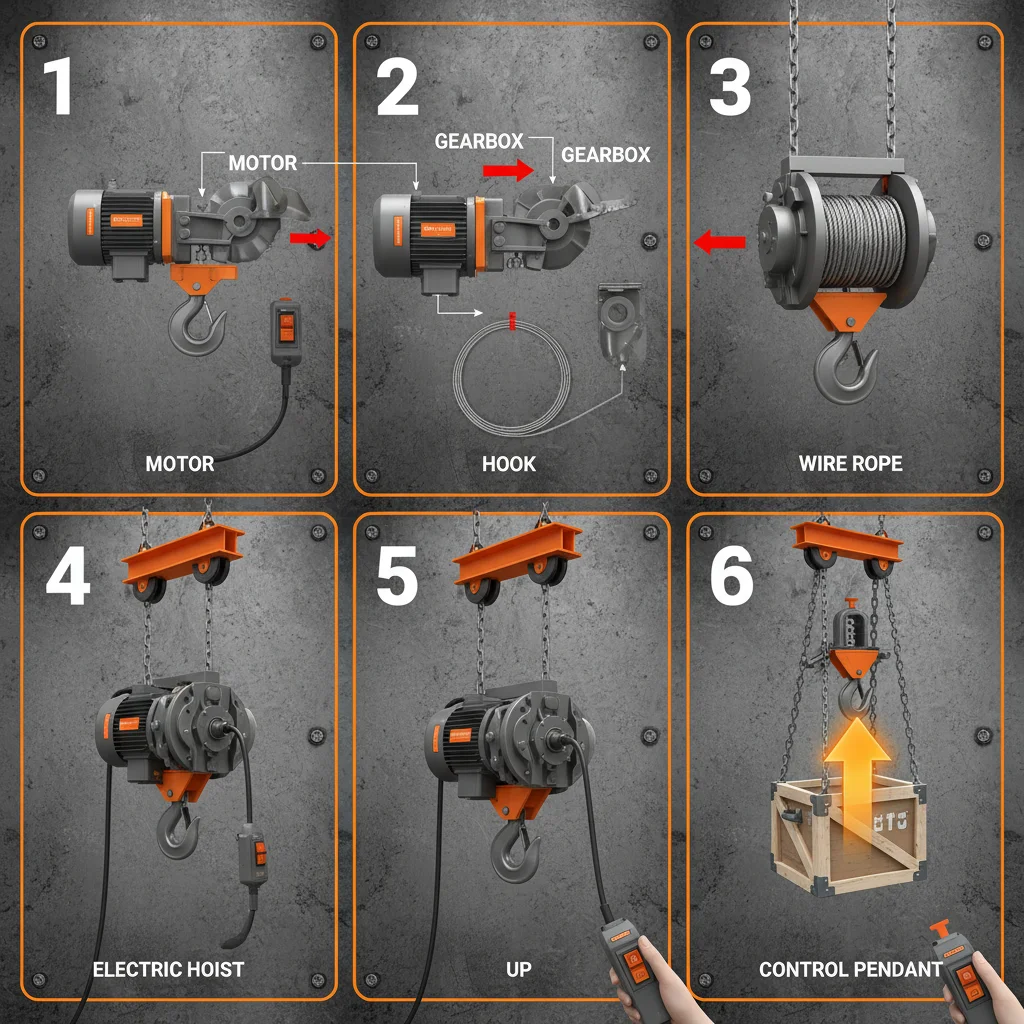 April 04, 2026Understanding the Power and Benefits of an Electric Hoist SystemWhen it comes to lifting and moving heavy materials in industrial and commercial settings, an electric hoist is an indispensable tool. Offering precision, efficiency, and safety, electric hoists streamline operations and reduce the risk of manual handling injuries. This article will delve into the benefits, types, applications, and key considerations when selecting an electric hoist, providing a comprehensive guide for businesses and professionals.
 -
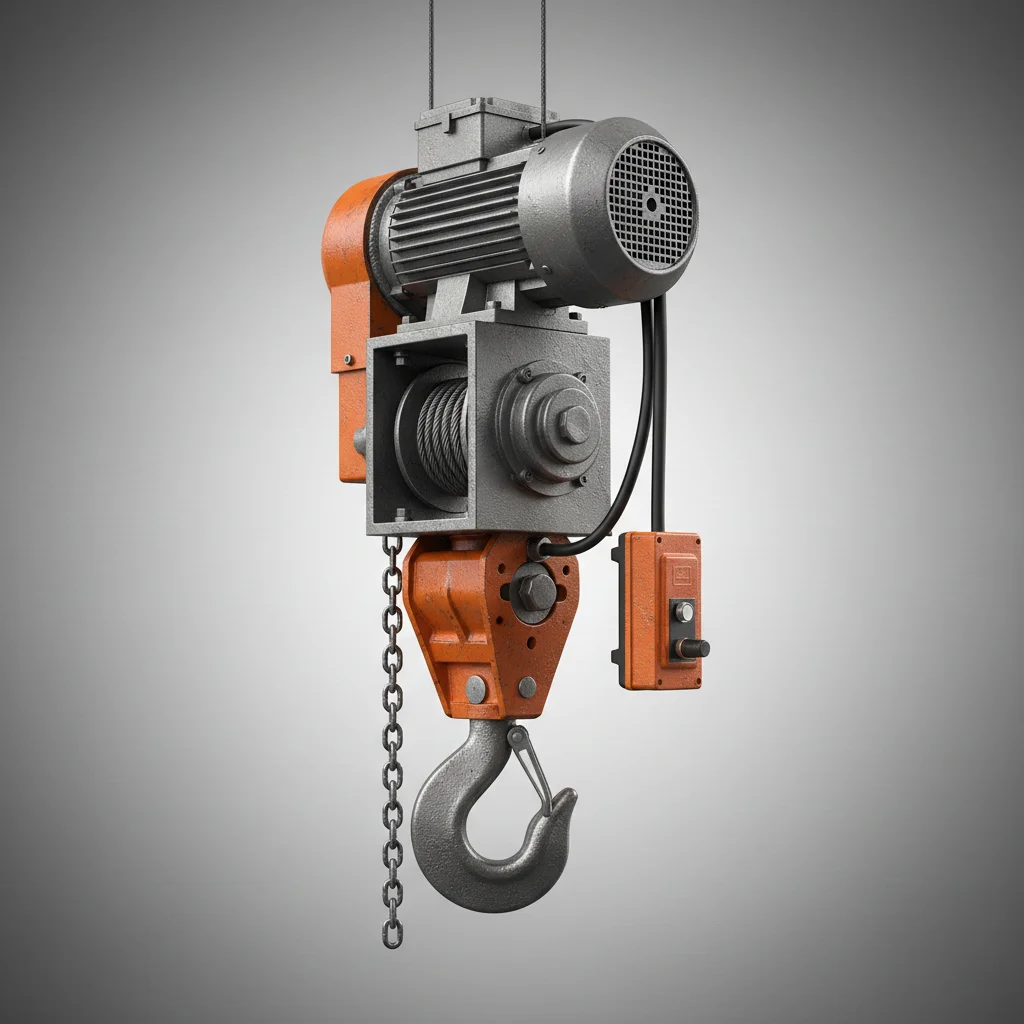 March 30, 2026Maximize Efficiency and Safety with a Robust 220v Electric Hoist SystemThe 220v electric hoist – it’s not just a piece of equipment, it's a lifesaver on any job site. I've spent years hauling materials, watching crews struggle with inefficient lifting, and frankly, witnessing some dangerous shortcuts. A reliable 220v electric hoist isn’t about speed, though that's a bonus; it’s about control, safety, and getting the job done right, minimizing strain and potential injuries. From small workshops to sprawling construction sites, it’s the unsung hero that keeps things moving.
Let’s Build Your Ideal Lifting Plan
Get a free quote or consult specs—message us right away!


