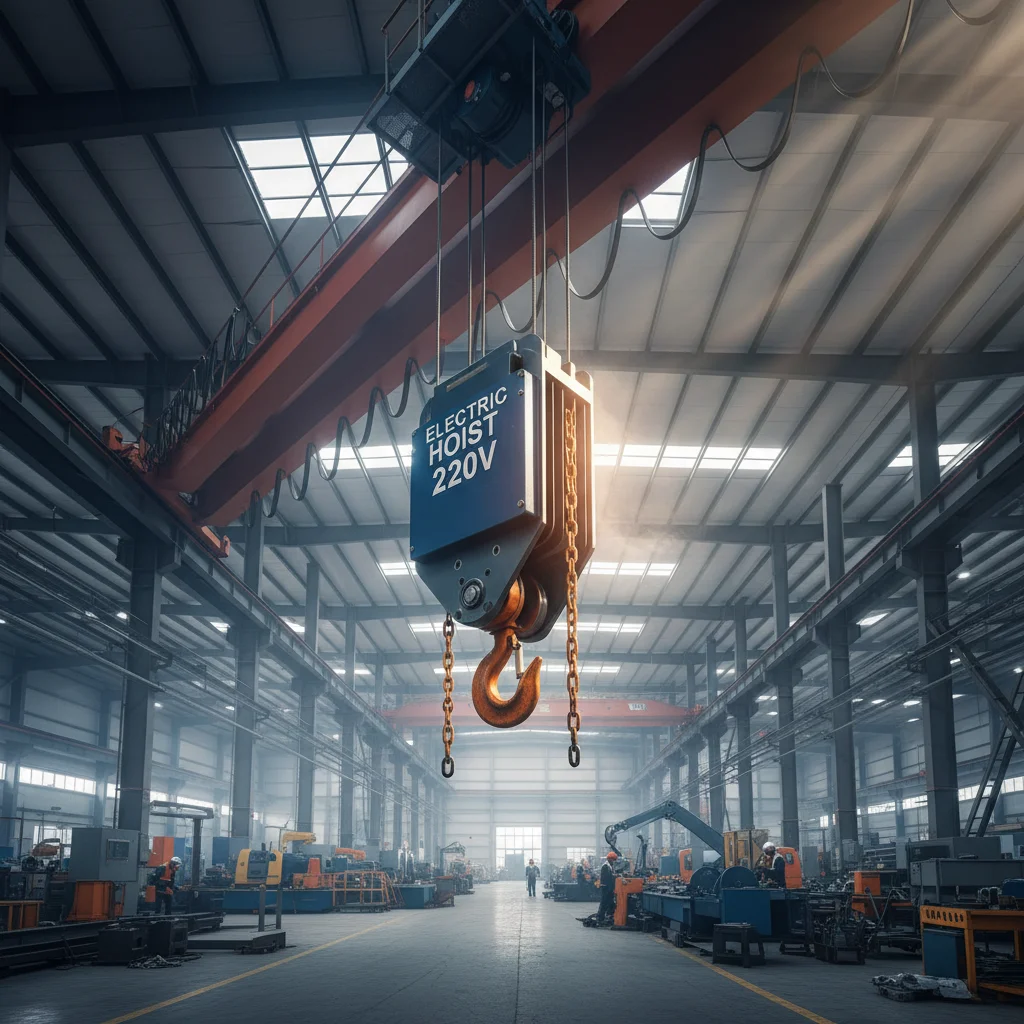
In the demanding landscape of modern industrial lifting, the wire rope electric hoist stands as a cornerstone of efficiency and safety. These machines are engineered to handle heavy-duty vertical transport, bridging the gap between manual labor and full-scale industrial automation. By integrating high-tensile steel cables with powerful electric motors, they allow businesses to move massive loads with precision and minimal effort.
Understanding the nuances of a wire rope electric hoist is critical for facility managers and engineers who prioritize operational uptime. Whether it is used in a bustling automotive assembly line or a remote construction site, the reliability of the lifting mechanism directly impacts productivity. When chosen correctly, these hoists not only accelerate workflow but also significantly reduce the risk of workplace injuries.
Globally, the shift toward smarter manufacturing has pushed the development of the wire rope electric hoist toward greater energy efficiency and intuitive control systems. From integrating variable frequency drives (VFDs) to utilizing advanced synthetic lubricants, the technology is evolving to meet ISO safety standards while reducing the carbon footprint of heavy industry.
Global Industry Context of Wire Rope Electric Hoists
The global demand for material handling equipment has seen a steady climb, driven by the rapid industrialization of emerging economies and the optimization of logistics in developed nations. According to industrial trends aligned with ISO lifting standards, the wire rope electric hoist has become indispensable in sectors ranging from metallurgy to shipbuilding. The challenge remains in balancing extreme load capacities with the need for pinpoint accuracy and operator safety in high-pressure environments.
As supply chains become more complex, the ability to move heavy components quickly and safely is no longer a luxury but a operational necessity. The integration of these hoists into automated warehouses and heavy fabrication shops has allowed companies to scale their output without proportionally increasing their labor costs or safety risks.
Defining the Modern Wire Rope Electric Hoist
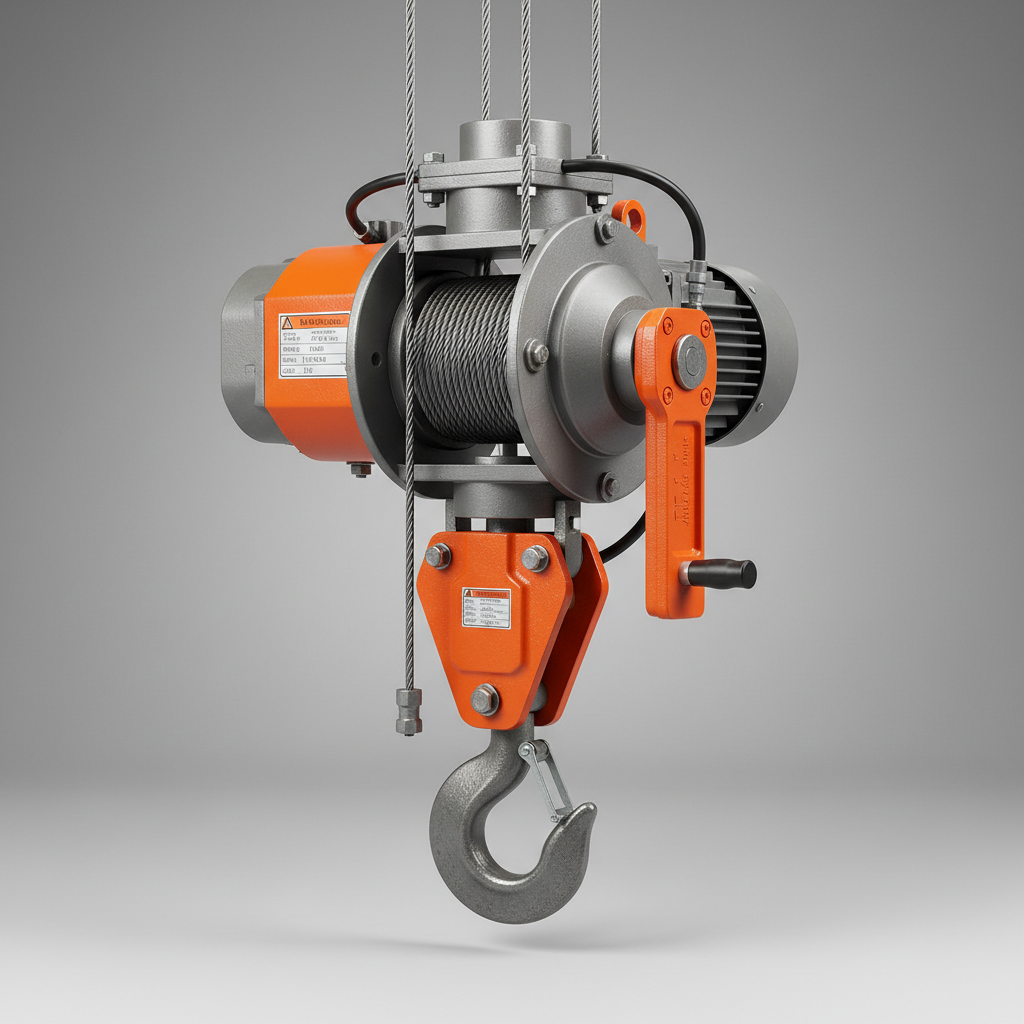
At its most fundamental level, a wire rope electric hoist is a motorized device used for lifting and lowering loads using a drum and a high-strength steel wire rope. Unlike chain hoists, which are often preferred for lighter, precision work, wire rope systems are designed for higher speeds and significantly larger capacities, making them the go-to choice for industrial overhead cranes and heavy-duty workshops.
The connection between this technology and modern industry is rooted in the concept of "mechanical advantage." By utilizing a gear reduction system and a wound rope mechanism, these hoists transform electrical energy into massive vertical force. This allows for the movement of everything from engine blocks in an automotive plant to steel beams in a skyscraper's skeletal frame, facilitating the growth of urban infrastructure worldwide.
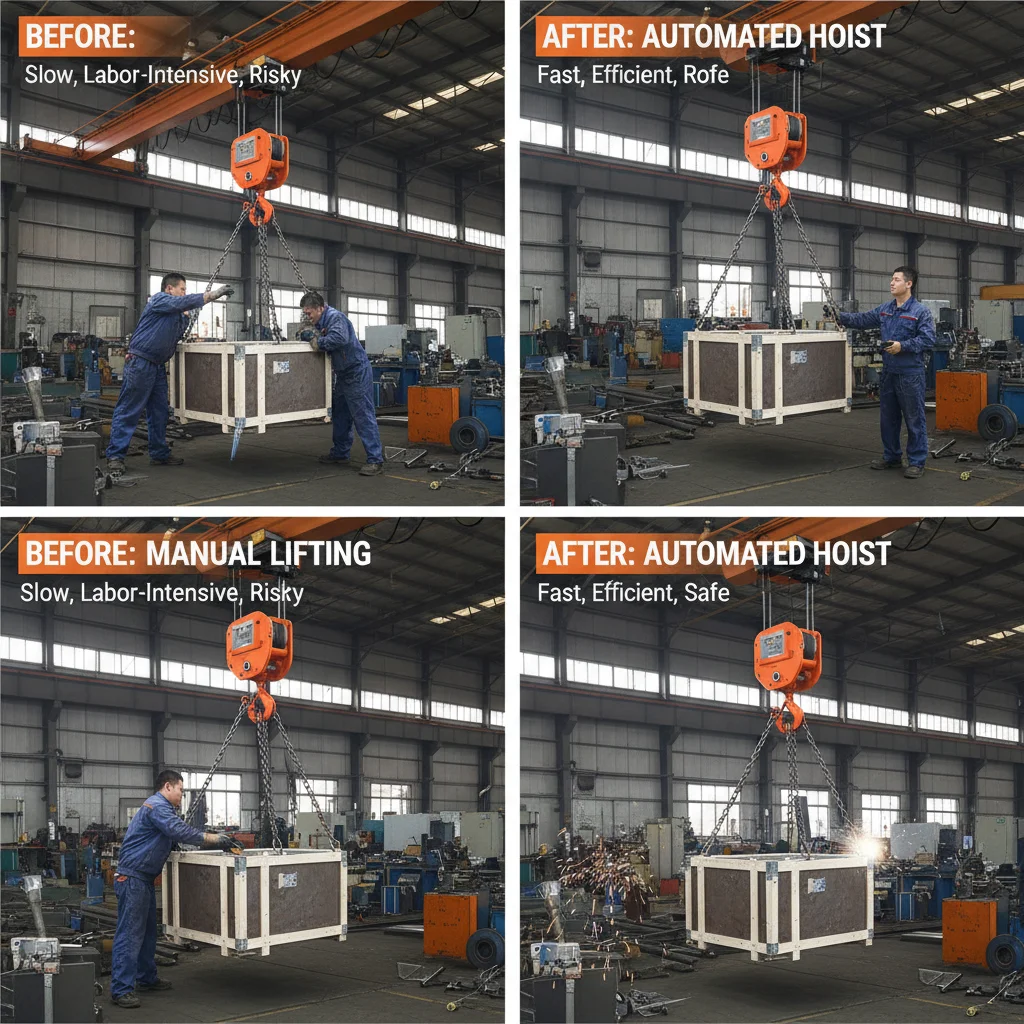
Beyond mere utility, the evolution of the wire rope electric hoist reflects the broader humanitarian need for safer working conditions. By replacing hazardous manual lifting and outdated pulley systems, these electric solutions have virtually eliminated thousands of workplace musculoskeletal injuries, bringing dignity and safety to the industrial workforce.
Core Components and Engineering Factors
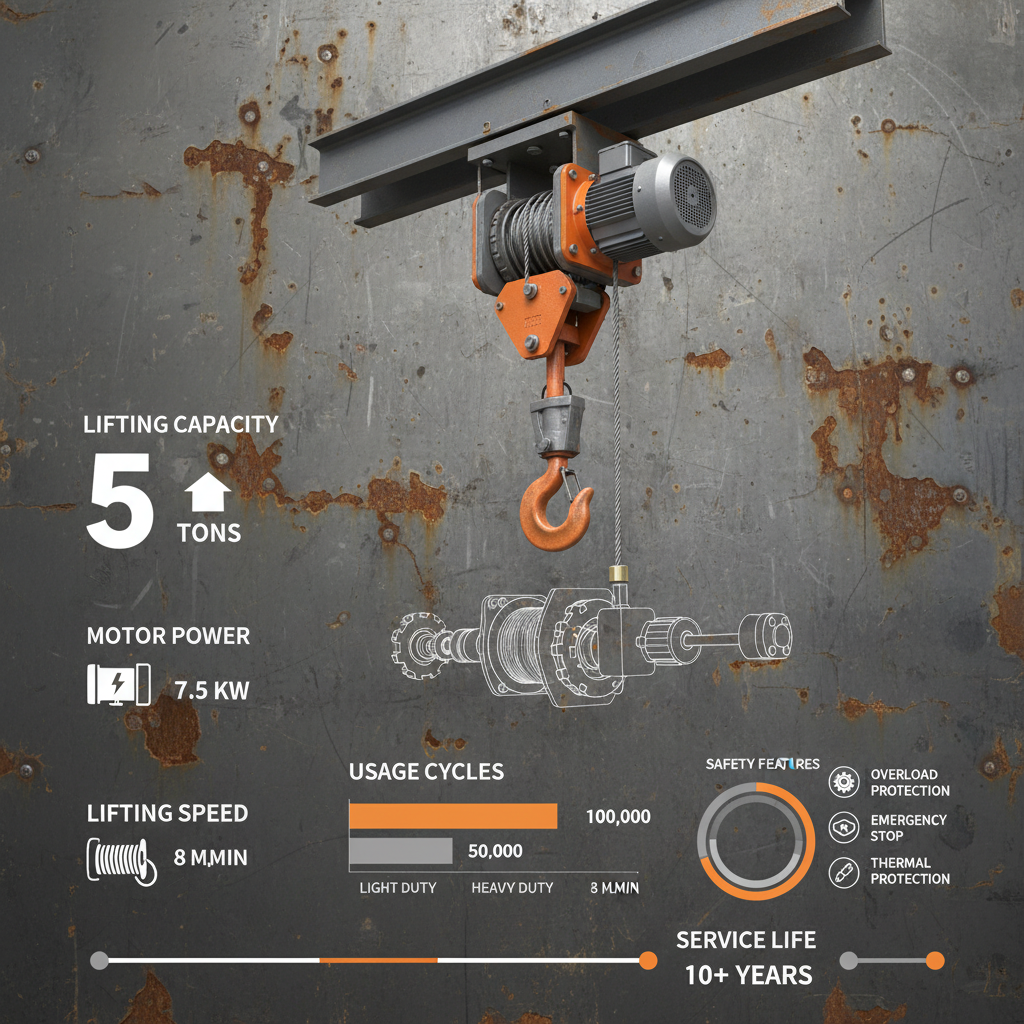
The durability of a wire rope electric hoist is primarily determined by the quality of its rope and drum. High-grade alloy steel wires are twisted into strands to ensure that if one wire fails, the overall integrity of the rope remains intact. This redundancy is what allows these machines to operate in high-risk environments where failure is not an option.
Scalability is achieved through the motor's power rating and the gearing ratio of the wire rope electric hoist. By adjusting the drum diameter and the number of rope falls (reeving), engineers can customize a hoist to lift a few hundred kilograms or several dozen tons, ensuring that the equipment fits the specific spatial and load requirements of the facility.
Cost efficiency in the long run is driven by the ease of maintenance and the longevity of the braking system. Modern wire rope electric hoists utilize electromagnetic brakes that engage instantly upon power loss, providing a critical safety layer while reducing the wear and tear associated with mechanical friction brakes.
Comparative Performance of Hoisting Methods
When choosing the right equipment, it is essential to compare the wire rope electric hoist against other lifting methods such as electric chain hoists or manual winches. While chain hoists offer excellent precision for small loads, wire rope systems provide superior lifting speeds and are far more efficient for high-lift heights due to the compact nature of the rope drum.
The decision often comes down to the duty cycle—how often the hoist is used per hour. Wire rope systems are generally designed for higher duty cycles, meaning they can operate for longer periods without overheating, which is a critical factor in 24/7 manufacturing environments.
Efficiency Comparison of Various Wire Rope Electric Hoist Configurations
Global Applications and Sector Use Cases
The versatility of the wire rope electric hoist allows it to be deployed in a vast array of global environments. In the heavy industry zones of Germany and Japan, these hoists are the heartbeat of automotive assembly plants, lifting heavy chassis and engines with robotic precision. Similarly, in the mining sectors of Australia and Canada, reinforced wire rope hoists are used to move massive ore containers and equipment through vertical shafts.
Beyond industrial hubs, these systems play a vital role in emergency and infrastructure projects. In post-disaster relief operations, portable wire rope electric hoists are often used to clear heavy debris or lift essential supplies into temporary shelters in remote areas where traditional cranes cannot reach. This adaptability makes them a critical asset for NGOs and government agencies working in humanitarian crises.
Long-Term Value and Operational Advantages
Investing in a high-quality wire rope electric hoist provides tangible economic benefits through the reduction of operational downtime. Because these systems are built for endurance, the cost per lift is significantly lower than that of manual or low-grade electric systems. The logical advantage lies in the increased throughput; when a load can be moved in seconds rather than minutes, the entire production line accelerates.
From an emotional and psychological perspective, the use of a certified wire rope electric hoist fosters a culture of trust and safety within the workplace. Operators can perform their tasks with confidence, knowing that the equipment is engineered to fail-safe. This peace of mind is invaluable, reducing worker stress and increasing overall job satisfaction in high-risk industrial roles.
Furthermore, the sustainability aspect cannot be ignored. Modern electric motors used in these hoists are designed for high energy efficiency, reducing the electricity consumption of the plant. By optimizing the weight-to-power ratio, companies can achieve their green energy goals without compromising on their heavy-lifting capabilities.
Future Innovations in Lifting Technology
The future of the wire rope electric hoist is being shaped by the Industrial Internet of Things (IIoT). We are seeing the emergence of "smart hoists" equipped with load sensors and wear-detection algorithms. These systems can predict when a wire rope is nearing the end of its fatigue life, alerting maintenance teams before a failure occurs—transitioning the industry from reactive to predictive maintenance.
Material science is also playing a role, with the introduction of synthetic fiber ropes that offer the strength of steel but at a fraction of the weight, and with superior corrosion resistance. These innovations allow the wire rope electric hoist to be used in more corrosive environments, such as offshore oil rigs or chemical processing plants, without the need for constant lubrication and painting.
Automation and AI integration are the final frontiers. In the coming decade, we expect to see hoists that can automatically center themselves under a load using computer vision, removing the need for manual pendant control and further increasing the safety distance between the operator and the suspended load.
Comparative Analysis of Wire Rope Electric Hoist Technical Specifications
| Hoist Model Class |
Typical Load Capacity |
Lifting Speed |
Duty Cycle Rating |
| Light Commercial |
500kg - 2 Tons |
4-8 m/min |
Low (FEM 1Am) |
| Standard Industrial |
3 - 10 Tons |
6-12 m/min |
Medium (FEM 2m) |
| Heavy-Duty Fabrication |
10 - 30 Tons |
5-10 m/min |
High (FEM 3m) |
| Extreme Heavy Lift |
30 - 100 Tons |
2-6 m/min |
Ultra (FEM 4m) |
| Precision-Engineered |
1 - 5 Tons |
Variable (VFD) |
Custom |
| Hazardous Env Model |
2 - 20 Tons |
4-10 m/min |
Medium-High |
FAQS
The primary difference lies in the lifting medium and application. A wire rope electric hoist uses a steel cable wound on a drum, which allows for significantly higher lifting speeds and heavier load capacities. Chain hoists use a link chain and are generally better for precision, low-speed lifting of lighter loads. Wire rope hoists are preferred for industrial cranes, while chain hoists are often used in smaller workshops or portable setups.
Safety is paramount. It is recommended to perform a visual inspection of the wire rope on a wire rope electric hoist daily before use. A more comprehensive professional inspection should be conducted monthly or quarterly, depending on the duty cycle. Look for signs of fraying, kinking, or corrosion. If any "broken wires" exceed the ISO safety threshold, the rope must be replaced immediately to prevent catastrophic failure.
Yes, but only if the hoist is specifically rated for outdoor use. Standard indoor hoists lack the necessary protection against moisture and dust. An outdoor-rated wire rope electric hoist will feature a higher IP (Ingress Protection) rating for the motor and control panel, as well as galvanized or stainless steel ropes to prevent rust. Always ensure the control pendant is waterproof and the unit is sheltered if possible.
Duty Cycle refers to the amount of time a wire rope electric hoist can operate within a specific time frame without overheating. It is typically categorized by FEM (Federation Europeenne de la Manutention) classes. A "Low" duty cycle hoist is for occasional use, while a "High" duty cycle hoist is engineered for continuous heavy lifting in a factory setting. Choosing the wrong duty cycle can lead to premature motor burnout.
While not strictly necessary for all applications, a VFD significantly enhances the performance of a wire rope electric hoist. It allows for "soft start" and "soft stop" movements, which prevent the load from swinging violently. This is crucial for fragile loads or high-precision placement tasks, and it also reduces the mechanical shock to the gear system, extending the overall lifespan of the hoist.
Always calculate the maximum weight of your heaviest load, including the weight of the rigging (slings, shackles, etc.). It is an industry best practice to choose a wire rope electric hoist with a capacity that is 20-25% higher than your maximum load. This provides a safety buffer and prevents the motor from constantly running at its absolute limit, which ensures better reliability and longevity.
Conclusion
The wire rope electric hoist is more than just a piece of machinery; it is a vital catalyst for industrial productivity and worker safety. By combining the brute strength of steel cable with the precision of electric control, these systems enable the modern world to build higher, manufacture faster, and operate more safely. From the core components of the drum and motor to the integration of IIoT and predictive maintenance, the evolution of these hoists reflects a commitment to engineering excellence.
Looking forward, the integration of automation and sustainable materials will continue to redefine the boundaries of material handling. For businesses looking to optimize their operations, investing in a high-quality, certified hoist is not just a purchase—it is a strategic decision to ensure long-term operational stability. To explore the best lifting solutions for your specific industry needs, we invite you to visit our website: www.juyinghoist.com.