
Efficient Lifting Solutions with Electric Hoist 200kg Guide
Efficient Lifting Solutions with Electric Hoist 200kg Guide
Electric Hoist 200kg: The Ultimate Guide to Compact Lifting Solutions
Finding a reliable way to lift medium-weight loads without straining manpower is a common challenge for workshops, garages, and small warehouses. An electric hoist 200kg offers the perfect balance of compactness and power, allowing users to move equipment and materials with precision and safety. Whether you are managing a home DIY project or optimizing an industrial assembly line, understanding the specifications and benefits of a 200kg capacity hoist is key to enhancing productivity. In this guide, we will explore how this specific lifting tool can transform your operational efficiency while maintaining the highest safety standards.
Core Advantages of Using an Electric Hoist 200kg
The primary appeal of an electric hoist 200kg is its ability to reduce physical labor and eliminate the risks associated with manual lifting. Unlike manual chain blocks, electric versions provide a smooth, consistent lift, which is critical when handling fragile components. These machines are typically designed for easy installation, often requiring only a sturdy beam or a mounting bracket. Furthermore, the integration of automatic limit switches ensures that the hook does not over-travel, preventing potential accidents and equipment damage. By implementing this technology, businesses can significantly lower the rate of workplace injuries related to musculoskeletal strain.
Key Highlights: Reduced physical fatigue, precision control via remote pendants, and enhanced safety through integrated braking systems, making it an ideal choice for low-to-medium load environments.
Technical Specifications for Electric Hoist 200kg Models
When selecting the right equipment, technical data is the most reliable indicator of performance. An electric hoist 200kg usually features a high-strength steel cable and a reinforced motor to ensure longevity. The lifting speed is optimized to provide a safe transit of the load without excessive oscillation. Below is a detailed specifications table to help you compare the standard performance metrics of a professional-grade 200kg hoist.
Electric Hoist 200kg vs. Manual Hoists: A Comparison
Choosing between an electric and a manual hoist often comes down to the frequency of use and the value of time. A manual hoist is cost-effective for occasional use, but it is labor-intensive and slower. In contrast, an electric hoist 200kg dramatically increases the speed of operations. The electric model allows for one-person operation with minimal effort, whereas manual hoisting may require multiple people to ensure safety and stability. For modern businesses focusing on lean manufacturing and efficiency, the electric option is far superior.
Comparison Highlights:
• Efficiency: Electric hoists reduce lifting time by up to 70%.
• Safety: Automatic braking in electric models prevents load slippage.
• Labor: Electric systems eliminate physical strain on the operator.
• Cost: Higher initial investment for electric, but lower long-term labor costs.
Versatile Applications of an Electric Hoist 200kg
The versatility of the 200kg capacity makes it applicable in various settings. In automotive shops, it is used for lifting engines or transmissions. In small-scale manufacturing, it assists in moving molds or heavy components between stations. Even in home workshops, it is perfect for lifting heavy furniture or machinery for repair. Because the electric hoist 200kg is relatively light, it can be mounted on portable gantry cranes, providing mobility across the entire workspace.

Installation and Safety Tips for Your Hoist
Proper installation is critical to ensure the longevity and safety of your electric hoist 200kg. First, always ensure that the support beam is rated for at least double the load of the hoist to account for dynamic forces. Second, inspect the wire rope for any signs of fraying or kinks before every use. Finally, never exceed the 200kg limit, as overloading can lead to mechanical failure or structural collapse. Regular lubrication of the gear system will keep the motor running smoothly and prevent unnecessary wear and tear.
Maintenance Guide to Extend Hoist Lifespan
To get the most out of your investment, a consistent maintenance schedule is required. For an electric hoist 200kg, this includes monthly checks of the electrical connections and quarterly inspections of the braking mechanism. Cleaning the hoist of dust and debris prevents the motor from overheating. Many professional users prefer to implement a daily "pre-flight" check—testing the up/down controls without a load—to ensure the system is responsive and safe before starting the day's work.
Conclusion: Elevating Efficiency with a 200kg Electric Hoist
The electric hoist 200kg is more than just a tool; it is an investment in safety and operational speed. By replacing manual lifting with a precise, powered solution, you protect your employees and optimize your workflow. From its robust technical specifications to its wide range of applications, the 200kg hoist provides a professional-grade solution for those who need reliable, medium-duty lifting. Choose quality, prioritize safety, and let technology do the heavy lifting for you.
Frequently Asked Questions (FAQs)
Can I lift more than 200kg if I use a pulley system?
While using a block and tackle or pulley system can technically increase the lifting capacity by reducing the tension on the cable, it is strongly discouraged unless the hoist was specifically engineered for that configuration. Overloading the motor can cause it to burn out, and it may compromise the safety brake. Always adhere to the rated capacity of your electric hoist 200kg to ensure operator safety and equipment longevity. If you consistently need to lift more than 200kg, it is safer and more efficient to upgrade to a higher-capacity model.
Is the electric hoist 200kg suitable for outdoor use?
Standard electric hoists are typically designed for indoor industrial environments. Using them outdoors exposes the motor and electrical components to rain, dust, and extreme temperature fluctuations, which can lead to short circuits or corrosion. If you require an outdoor solution, you must look for a hoist with a specific IP (Ingress Protection) rating that indicates water and dust resistance. For general purposes, we recommend using the electric hoist 200kg in sheltered areas or providing a weatherproof cover when not in use.
How often should the cable be replaced?
There is no single fixed date for cable replacement, as it depends entirely on the frequency of use and the nature of the loads. However, a professional inspection should be performed every 6 to 12 months. You should replace the cable immediately if you notice "bird-caging" (strands separating), visible kinks, or significant wear on the surface of the wire. Using high-quality components from Juying Hoist ensures that the materials are durable, but regular vigilance is the only way to guarantee a safe lifting environment.
What happens if the power fails while a load is suspended?
Safety is the top priority in the design of the electric hoist 200kg. These hoists are equipped with an electromagnetic brake that is "fail-safe." This means the brake is held open by power; the moment the power is cut (whether by turning off the switch or a power outage), the brake automatically engages and locks the load in place. This prevents the load from crashing down, giving the operator time to safely lower the load manually or wait for power restoration.
-
 2 Ton Electric Wire Rope Hoist 380V Industrial Heavy Duty Electric Hoist Lifting Equipment
-
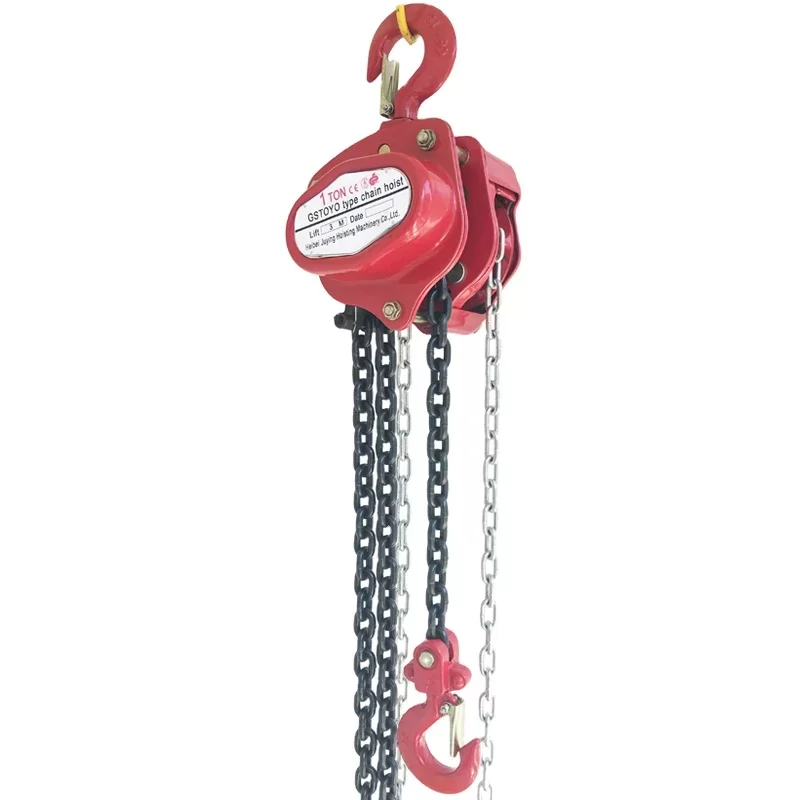 GSToyo Brand 5 Ton Manual Operated Chain Hoist High Quality Lifting Tools Chain Pulley Block
-
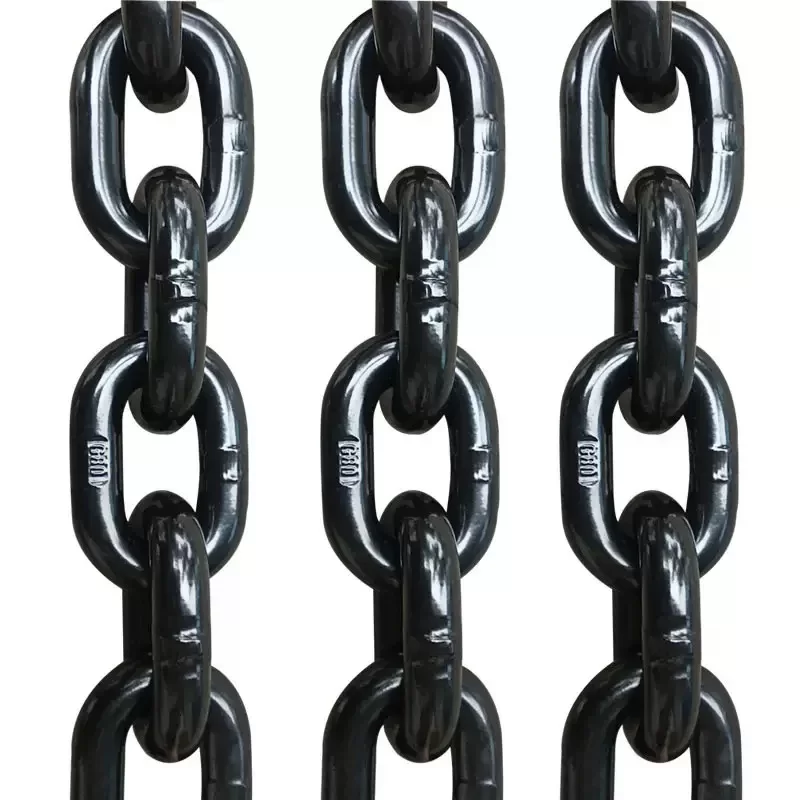 G80 Chain Manufacturer 6mm Black Oxide Link Chain
-
 CE Certified Heavy Duty 360 Degree Rotating Pillar Lift Crane Standing Freestanding Electric Hoist Slewing Jib Crane
-
 Hand Winch Manual 1200lbs Stainless Steel Wire Rope Crank Self Locking for Boat Trailer
-
 Heavy Duty Hydraulic Pallet Jack 2.5 Ton Manual Hand Pallet Truck CE Certified for Warehouse Material Handling
-
 500kg Household Small Portable Construction Lift Crane Material Lifting Bracket Support Outdoor Portable Mini Crane
-
 12M Wire Rope 220V Electric Wire Rope Hoist Micro Mini Electric Hoist for Workshop Garage Warehouse Construction
-
 June 03, 2026Industrial Electric Chain Hoist 2 Ton for Heavy Lifting SafetyIn the demanding world of modern material handling, the electric chain hoist 2 ton stands as a pivotal bridge between manual labor and heavy industrial automation. As warehouses and production lines scale upward, the need for a reliable, mid-capacity lifting solution becomes critical to maintaining operational flow and ensuring workplace safety. Understanding the nuances of these machines allows facility managers to optimize their vertical space while minimizing the physical strain on their workforce. Globally, the adoption of an electric chain hoist 2 ton has surged as SMEs Small and Medium Enterprises seek to upgrade their infrastructure without the astronomical costs of full-scale gantry systems.
-
 June 12, 2026Efficient Industrial Lifting with 220v Electric Chain HoistIn the demanding landscape of modern material handling, the efficiency of vertical lifting is paramount. A 220v electric chain hoist represents a critical intersection of accessibility and industrial power, allowing businesses to move heavy loads without the need for complex high-voltage infrastructure. By utilizing standard power outlets, these devices democratize heavy lifting for small workshops and large industrial hubs alike. Globally, the shift toward modular and flexible workspace design has increased the demand for versatile lifting solutions. The ability to quickly deploy a 220v electric chain hoist means reduced downtime and lower installation costs.
-
 September 01, 2026Advanced Electric Winch Solutions for Vehicle Recovery and Industrial Pulling
Electric winches are no longer limited to off-road recreation.
-
 June 22, 2026Industrial 380v Winch for Heavy Duty Lifting and HandlingIn the realm of industrial lifting and material handling, the integration of high-voltage power systems has revolutionized how heavy loads are managed. A 380v winch represents the pinnacle of industrial-grade hoisting, providing the necessary torque and stability required for continuous operation in demanding environments. Understanding the synergy between power supply and mechanical strength is essential for any facility looking to optimize its operational throughput. Globally, the demand for robust lifting solutions is driven by the expansion of infrastructure, the growth of petrochemical industries, and the modernization of logistics hubs.
-
 June 01, 2026High Quality 1 ton electric chain hoist for Industrial LiftingThe modern industrial landscape demands precision, safety, and efficiency, making the 1 ton electric chain hoist an indispensable tool for material handling. From small-scale workshops to large automotive assembly lines, the ability to lift heavy loads with minimal human effort has revolutionized operational workflows and workplace safety. Understanding the technical nuances of a 1 ton electric chain hoist allows business owners and facility managers to optimize their lifting capacities while adhering to strict international safety standards. By transitioning from manual pulleys to motorized systems, industries have seen a significant reduction in workplace injuries and a marked increase in throughput.
-
 May 11, 2026Industrial Wire Rope Hoist Guide for Efficient LiftingThe modern industrial landscape relies heavily on the efficient movement of heavy loads, and the wire rope hoist stands as a cornerstone of this logistical framework. By combining high-tensile steel cables with precision motor engineering, these devices allow for the seamless vertical transport of materials in environments ranging from automotive assembly lines to massive shipping ports. Understanding the nuances of these systems is essential for optimizing workflow and ensuring operational safety. Globally, the demand for robust lifting solutions has surged as infrastructure projects in developing nations grow and automation increases in developed economies.
-
 November 02, 2026Industrial 220V Electric Hoist and Custom Small Electric Winch
For industrial projects and construction sites, the ability to move heavy materials vertically with absolute precision is not just about efficiencyit is a critical safety requirement. The 220V Electric Wire Rope Hoist is specifically engineered to bridge the gap between compact design and heavy-duty performance. Whether operating in hazardous petrochemical zones or on complex bridge construction sites, professionals require lifting tools that balance operational stability with a low cost of ownership. By integrating advanced motor testing and international safety certifications, this equipment ensures that materials are transported securely without compromising productivity.
-
 September 04, 2026Manufacturing Indonesia 2025: How Electric Wire Rope Hoists Support Smarter Factory Lifting
Industrial production is moving toward shorter lead times, more flexible layouts, and stricter safety control.
Let’s Build Your Ideal Lifting Plan
Get a free quote or consult specs—message us right away!


