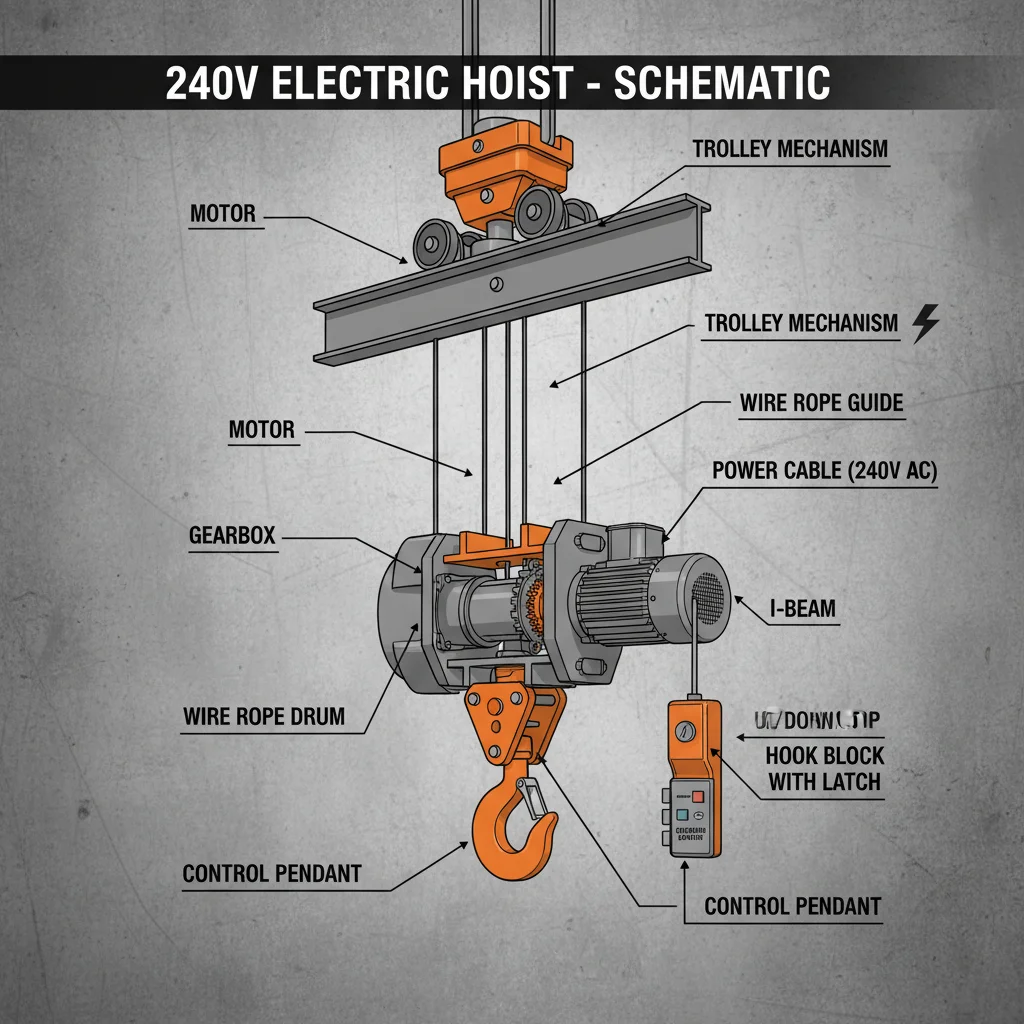
In the realm of industrial lifting and material handling, the integration of high-voltage power systems has revolutionized how heavy loads are managed. A 380v winch represents the pinnacle of industrial-grade hoisting, providing the necessary torque and stability required for continuous operation in demanding environments. Understanding the synergy between power supply and mechanical strength is essential for any facility looking to optimize its operational throughput.
Globally, the demand for robust lifting solutions is driven by the expansion of infrastructure, the growth of petrochemical industries, and the modernization of logistics hubs. The transition toward standardized three-phase power, such as the requirements for a 380v winch, ensures that heavy-duty machinery can operate with higher efficiency and less energy loss compared to single-phase alternatives. This standardization is critical for maintaining safety and reliability in large-scale industrial zones.
When selecting the right equipment, it is imperative to consider not only the motor but also the load-bearing components, such as the 380v winch accompanying high-tensile G80 alloy steel chains. By combining a powerful electrical drive with certified lifting hardware, companies can significantly reduce downtime and enhance the safety of their workforce during critical overhead lifting operations.
The industrial significance of a 380v winch lies in its ability to handle extreme loads without the overheating issues common in lower-voltage systems. By utilizing three-phase power, these machines deliver consistent torque, which is vital for lifting precision in bridge construction and automated warehouse logistics. This ensures that heavy components are moved smoothly, reducing the risk of structural shock or mechanical failure.
Moreover, the integration of such power systems allows for the use of higher-grade materials in the lifting assembly. When a 380v winch is paired with G80 alloy steel chains, the entire system becomes a high-performance unit capable of operating in the most demanding industrial environments, from petrochemical plants to deep-sea ports, where reliability is non-negotiable.
Core Technical Components and Synergy
The heart of a 380v winch is its high-efficiency induction motor, designed to convert electrical energy into mechanical lifting power with minimal loss. This motor works in tandem with a heavy-duty gearbox that multiplies the torque, allowing the winch to lift several tons with ease. The synchronization between the power input and the mechanical output is what defines the stability of the lifting process.
Equally important is the connection point between the winch and the load. The use of Grade 80 alloy steel chains, such as those featuring a black oxide finish, ensures that the physical strength of the chain matches the pulling power of the motor. A 6mm G80 chain with a breaking load of 45.2kN provides the necessary safety margin to prevent catastrophic failure during peak stress.
Finally, the control systems governing a 380v winch often include overload protection and precise braking mechanisms. These components ensure that the load is held securely in place, even in the event of a power outage, thereby protecting both the equipment and the personnel operating the machinery in hazardous industrial settings.
Safety Standards for High-Voltage Hoisting
Safety in high-voltage hoisting begins with strict adherence to international certifications. For a 380v winch to be viable for global export, it must comply with CE and GS standards, which regulate everything from electrical insulation to mechanical stress tolerances. These certifications guarantee that the equipment has undergone rigorous testing before reaching the job site.
The physical integrity of the lifting chain is the second pillar of safety. When using a 380v winch, the accompanying chain must be of a premium safety grade, such as G80 alloy steel, to minimize the risk of elongation or snapping. The 27kN test load for a 6mm chain ensures that it can handle unexpected surges in tension during the lifting cycle.
Furthermore, the environmental resistance of the components plays a huge role in long-term safety. A 380v winch operating in a coastal port or a chemical plant is exposed to corrosive elements; therefore, a black oxide coating on the lifting chains is essential to prevent oxidation and maintain the structural integrity of the links over thousands of cycles.
Performance Metrics and ROI Analysis
Evaluating the performance of a 380v winch involves looking at the load-to-weight ratio and the operational uptime. High-grade systems reduce the energy cost per ton lifted, while the use of durable G80 alloy steel chains extends the replacement cycle. This leads to a significant reduction in long-term operational expenditure (OPEX) for the facility manager.
From an ROI perspective, investing in premium equipment reduces insurance premiums and the risk of costly workplace accidents. The stability offered by a 380v winch, combined with certified hardware, ensures that projects are completed on schedule without the interruptions caused by equipment failure or safety shutdowns.
Performance Comparison of 380v Winch Configurations
Global Applications in Heavy Industry
The versatility of a 380v winch allows it to be deployed across various sectors worldwide. In the petrochemical industry, these winches are used on specialized ships and in refineries to move heavy valves and piping sections. The combination of high power and corrosion-resistant G80 chains makes them ideal for the humid and salty air of marine ports.
In the construction sector, specifically for bridge and skyscraper development, these systems are essential for lifting steel beams and concrete molds. The ability of a 380v winch to maintain a steady lift speed under maximum load ensures that precision engineering requirements are met, reducing the need for manual adjustments and increasing the overall safety of the construction site.
Maintenance and Longevity Strategies
To maximize the lifespan of a 380v winch, a strict preventative maintenance schedule is required. This includes regular lubrication of the gearbox and inspection of the electrical contacts to prevent arcing or voltage drops. Ensuring that the power supply remains stable at 380V prevents motor burnout and maintains consistent lifting speeds.
The lifting chain requires equally diligent care. For a G80 alloy steel chain, a visual inspection before every use is mandatory to check for link deformation or wear. Professional detailed inspections every 6 to 12 months help identify microscopic cracks that could lead to failure, ensuring the safety of the overhead lifting environment.
Finally, the use of the black oxide finish significantly reduces the frequency of deep cleaning and rust removal. By maintaining a thin, protective layer of oil on the chain links, operators can further extend the life of their 380v winch system, reducing the total cost of ownership over a decade of service.
Comparative Analysis of Lifting Solutions
When choosing between different lifting systems, the decision often comes down to the balance between capacity and cost. A 380v winch offers a superior power-to-size ratio compared to manual hand winches or low-voltage electric hoists, making it the only viable choice for heavy industrial applications where downtime is expensive.
Comparing the G80 alloy steel chain to standard grade chains reveals a stark difference in durability. While standard chains may be cheaper initially, they lack the tensile strength and safety factor required for overhead lifting, often leading to higher replacement costs and increased insurance risks for the business.
Ultimately, the integration of a certified 380v winch with high-performance alloy steel creates a system that is not only more reliable but also more compliant with international labor safety laws, facilitating easier entry into European and American markets.
Comparative Analysis of 380v Winch and Lifting Hardware
| Feature Component | Standard Solution | Juying G80/380v System | Impact on ROI |
|---|
| Service Life | Short/Medium | Extended Long-term | Lower replacement costs |
| Safety Rating | Basic Grade | Premium G80 Alloy | Reduced insurance risks |
| Corrosion Resistance | Low (Bare) | High (Black Oxide) | Less maintenance downtime |
| Certification | Local Standards | CE/GS Certified | Easier international entry |
| Power Stability | Variable/Single Phase | Stable 380v 3-Phase | Increased operational uptime |
| Load Capacity | Limited | High-Tensile G80 | Higher project throughput |
FAQS
A 380v winch utilizes three-phase power, which provides significantly higher torque and better efficiency for heavy lifting. Unlike 220v systems, which are more prone to overheating during continuous heavy loads, the 380v system maintains a more stable power flow, reducing motor wear and allowing for the movement of much heavier industrial components without sacrificing speed or safety.
Yes, especially when it features a black oxide finish. The G80 alloy steel provides the necessary tensile strength, while the black oxide coating acts as a critical barrier against oxidation and corrosion. This makes it an ideal choice for petrochemical plants, ports, and road construction sites where exposure to moisture and chemicals is frequent.
CE and GS certifications are international safety benchmarks. For a 380v winch, these ensure that the electrical components are safely insulated and the mechanical parts can handle their rated loads. This compliance not only protects the workers on site but also ensures that the equipment meets the strict legal requirements for operation in Europe and North America.
We recommend a visual inspection before every single use to check for obvious signs of wear or link deformation. Additionally, a professional, detailed inspection should be conducted every 6 to 12 months. This ensures that any microscopic fatigue in the G80 alloy steel is detected before it becomes a safety hazard, maintaining the integrity of the lifting system.
Absolutely. Most industrial suppliers offer OEM/ODM services to customize the lengths and configurations of G80 alloy steel chains. Whether you need a specific length for a bridge construction project or a custom assembly for a warehouse hoist, customizable specifications ensure the hardware integrates seamlessly with your 380v winch system.
High-quality 380v winches are equipped with overload protection mechanisms that trip the power when the load exceeds the safe working limit. Furthermore, by using G80 chains with a high breaking load (such as 45.2kN for 6mm), the system provides a safety buffer that prevents immediate failure, giving operators time to correct the load distribution.
Conclusion
The implementation of a 380v winch, paired with certified G80 alloy steel chains, represents a strategic investment in industrial safety and efficiency. By combining high-voltage power stability with the extreme tensile strength of black oxide coated steel, companies can ensure their heavy-lifting operations are not only productive but also fully compliant with global safety standards like CE and GS. The synergy of these components reduces operational risk, lowers long-term maintenance costs, and maximizes the ROI of material handling infrastructure.
Looking forward, the trend toward automation and green energy will likely see these systems integrate with smart sensors for real-time wear monitoring and energy-efficient motors. We suggest that facility managers prioritize the transition to G80 grade hardware and three-phase power systems to future-proof their operations. For those seeking professional-grade lifting solutions that guarantee reliability and safety, we invite you to explore our full range of products. Visit our website: www.juyinghoist.com