
Guide to Choosing a High Performance 4×4 Electric Winch
Guide to Choosing a High Performance 4×4 Electric Winch
The Ultimate Guide to Choosing a High-Performance 4x4 Electric Winch
For off-road enthusiasts and professional recovery teams, a reliable 4x4 electric winch is not just an accessory—it is a critical piece of safety equipment. Whether you are navigating muddy trails, sandy dunes, or rocky terrains, the ability to pull your vehicle or others out of a precarious situation is invaluable. A high-quality winch combines powerful motor performance with durable construction to ensure that you are never stranded. In this comprehensive guide, we will explore the technical aspects, selection criteria, and maintenance tips to help you find the perfect recovery solution for your vehicle.
Core Components of a Professional 4x4 Electric Winch
Understanding the anatomy of a 4x4 electric winch is essential for maximizing its lifespan. The heart of the system is the electric motor, which drives the planetary gear system to create the immense pulling force required for vehicle recovery. The drum holds the cable, which can be either steel or synthetic. High-end models often feature a sealed housing to prevent dust and water ingress, ensuring reliability in extreme weather. Additionally, the solenoid or relay acts as the electrical switch, managing the high-current flow from the battery to the motor. Choosing components made from high-grade alloys significantly reduces the risk of mechanical failure under heavy loads.
Pro Tip: Always check the IP (Ingress Protection) rating of your winch. A higher IP rating ensures that the internal motor remains protected from water and mud during deep-water crossings.
Comparing 4x4 Electric Winch Cable Types
One of the most debated topics among 4x4 users is the choice between steel wire and synthetic rope. Steel cables are traditional, offering extreme durability and resistance to abrasion against rocks and trees. However, they are heavy and can be dangerous if they snap. Synthetic ropes, on the other hand, are lightweight, easier to handle, and safer during tension. When selecting a 4x4 electric winch, you must consider your environment. If you frequently operate in dense brush or rocky areas, steel might be preferable; for general overlanding and weight saving, synthetic is the way to go.
Calculating the Right Capacity for Your 4x4 Electric Winch
A common mistake is buying a winch that is either too weak to pull the vehicle or excessively heavy for the front bumper. The general industry rule of thumb is to choose a 4x4 electric winch with a rated capacity of 1.5 times the Gross Vehicle Weight (GVW). For example, if your loaded SUV weighs 2.5 tons, a 3.5 to 4-ton winch is ideal. This provides a safety margin and ensures the motor doesn't overheat when pulling from a steep angle or through thick mud, where resistance is significantly higher.
Technical Specifications for Various Winch Models
Depending on the vehicle size and intended use, different specifications apply. From lightweight utility winches to heavy-duty recovery gear, the internal gearing and motor wattage vary. Below is a detailed specification table for standard 4x4 electric winch options, reflecting the precision and quality standards provided by professional manufacturers like Hebei Juying Lifting Machinery Co., Ltd.
Best Practices for Using a 4x4 Electric Winch
Owning the equipment is only half the battle; knowing how to use it safely is what prevents accidents. When operating your 4x4 electric winch, always use a winch damper to absorb energy in case of cable failure. Ensure the cable is wound tightly and evenly on the drum to prevent "nesting," which can lead to cable jamming under load. Additionally, never use the winch to lift a vehicle vertically, as these devices are designed for horizontal pulling. Proper anchor points, such as sturdy trees or dedicated recovery anchors, are essential for a successful and safe operation.
Maintenance Tips to Extend Winch Longevity
Regular maintenance ensures that your 4x4 electric winch performs when you need it most. After every use in mud or water, rinse the winch with fresh water to remove corrosive debris. For steel cables, apply a light lubricant to prevent rust. Inspect the electrical connections for corrosion or looseness, as vibration from off-roading can loosen bolts. Periodically check the gear oil levels and replace them according to the manufacturer's manual. A well-maintained winch not only lasts longer but also maintains a higher resale value and, more importantly, provides peace of mind in the wilderness.
Conclusion: Equip Your Adventure with Confidence
Selecting the right 4x4 electric winch is a critical decision for any serious off-roader. By balancing load capacity, cable type, and rigorous maintenance, you can ensure your vehicle is always ready for the toughest challenges. Whether you are a weekend warrior or a professional explorer, investing in high-quality lifting and recovery equipment from a trusted manufacturer guarantees safety and reliability. Don't let a muddy trail stop your journey—equip your 4x4 with a winch that never quits.
Frequently Asked Questions (FAQs)
How do I know if my battery can handle a 4x4 electric winch?
Electric winches draw a significant amount of current from the battery. It is recommended to use a high-CCA (Cold Cranking Amps) battery to ensure the motor has enough power to operate under full load. For heavy-duty winches, many users install a dual-battery system with an isolator. This ensures that the winch can operate without draining the primary battery needed to start the engine. Always check your winch's current draw specifications against your battery's output capacity to avoid electrical failure during a recovery operation.
Can I use a synthetic rope on a winch designed for steel cable?
Yes, in most cases, you can swap a steel cable for a synthetic rope. However, you must ensure the drum diameter is compatible and that the rope is rated for the winch's maximum pull capacity. It is highly recommended to use a "drum protector" or a sleeve when switching to synthetic rope to prevent the rope from rubbing directly against the metal drum, which can cause friction heat and premature wear. Always ensure the rope is wound under slight tension to prevent it from digging into itself.
What is the purpose of a winch damper?
A winch damper (usually a heavy rubber mat or a weighted blanket) is a critical safety device used to drape over the cable during a pull. If the cable or a mounting point fails, the damper absorbs the kinetic energy and forces the cable to drop safely to the ground rather than whipping back toward the vehicle or the operator. Because cables are under immense tension during recovery, a snap can be fatal; the damper is a simple but life-saving precaution that should be used in every single recovery scenario.
How often should I check the gear oil in my winch?
You should inspect your winch's gear oil at least once a year or after any particularly grueling recovery session. Check for leaks around the seals and ensure the oil is not contaminated with water or metal shavings. Most modern 4x4 electric winch models use long-life lubricants, but changing the oil every 2-3 years helps maintain the efficiency of the planetary gears and prevents premature wear of the internal components.
-
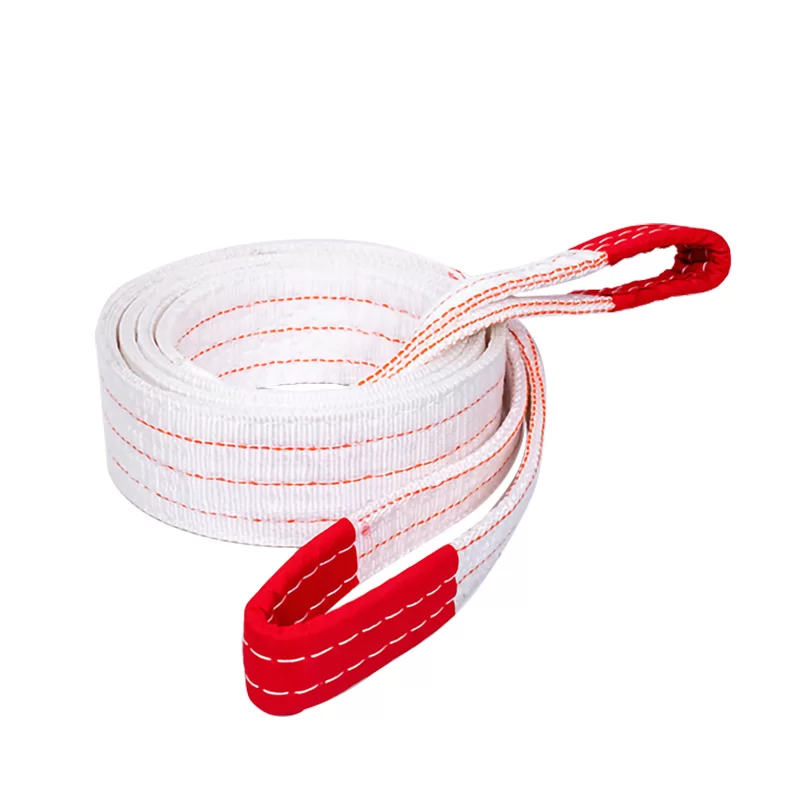 Lifting Crane Belt Flat Type Eye to Eye Webbing Slings 1 Ton with TUV Certificates
-
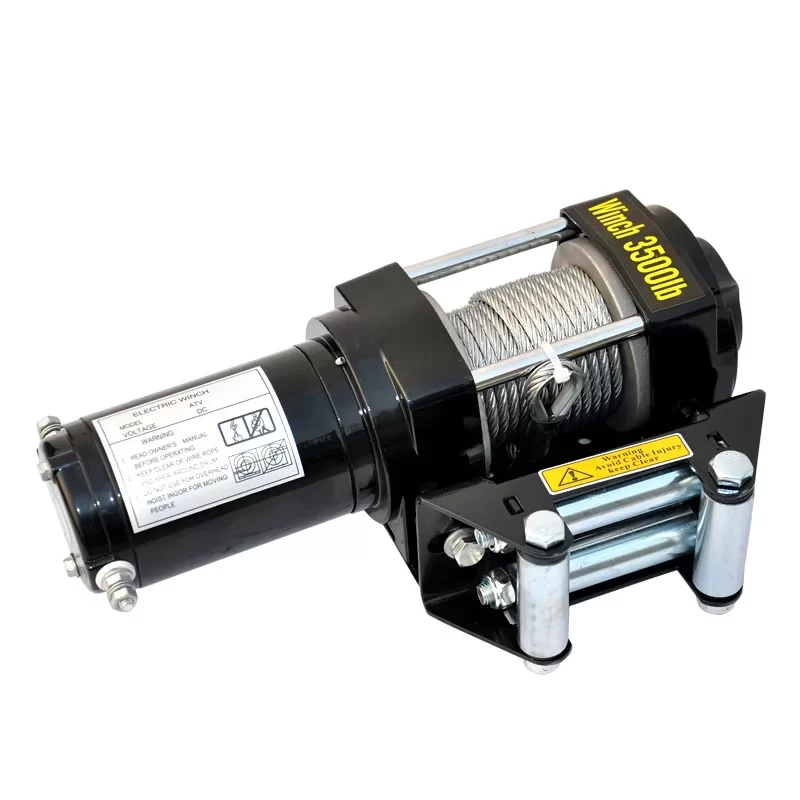 3500lb Electric Car Winch with Steel Wire Rope 12v 24v Durable Steel Material
-
 Portable Small Mini Construction Lifting Hand Crank Reversible Galvanized Gear Wire Rope Cable Pulling Machine Tool Manual Winch
-
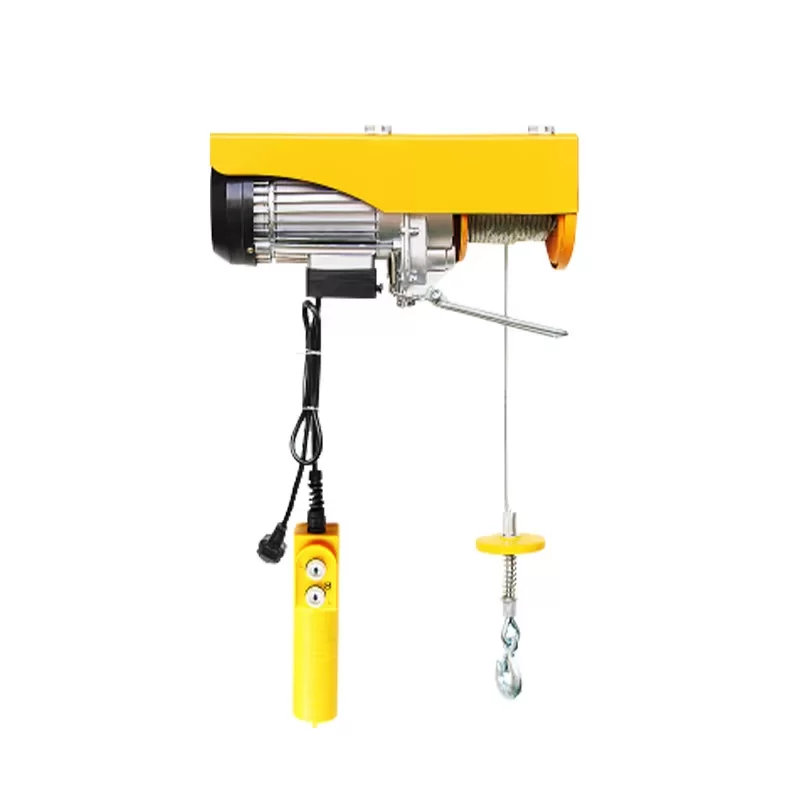 New Small Electric Lift with Wire Rope Hoist 800kg Capacity 220v Single Phase
-
 Heavy Duty IP65 Stainless Steel 1t 5t Low Headroom European Fixed Type Hook Mounted Wireless Remote Control Electric Chain Hoist
-
 Mini Electric Hoist 100kg 220V Portable Wire Rope Hoist with Pulley Trolley
-
 Heavy Duty 12V 24V 4×4 Off-Road Electric Winch with Wireless Remote Control Waterproof Recovery Winch for SUV Truck Jeep
-
 Industrial Grade Manual Hand Chain Hoist Operated Lifting Equipment G80 Alloy Steel Load Chain 1 Ton Pulley Chain Block
-
 June 23, 2026High Performance 24v Electric Winch for Industrial LiftingThe global demand for efficient material handling solutions has surged as infrastructure projects and industrial automation expand across diverse terrains. Among the most versatile tools in this sector, the concept of the 110v electric winch represents a critical intersection of accessibility and power, allowing operators to move heavy loads with precision in environments where standard industrial power grids may be limited. Understanding the nuances of these lifting systems is essential for ensuring both operational efficiency and workplace safety. From a global perspective, the adoption of standardized electrical components has streamlined the deployment of lifting machinery in construction and logistics.
-
 July 20, 2026Efficient Industrial Lifting with CD1 electric wire rope hoistIn the demanding world of industrial material handling, the efficiency of lifting operations can determine the overall productivity of a facility. The CD1 electric wire rope hoist stands as a pivotal solution for businesses requiring a blend of power, reliability, and ease of installation, offering a streamlined approach to vertical transportation of heavy loads across various sectors. From small-scale workshops to large industrial complexes, the need for precise and safe lifting mechanisms is universal. The implementation of a high-quality wire rope system reduces manual labor, minimizes the risk of workplace injuries, and ensures that heavy components are moved with surgical precision
-
 July 03, 2026High Performance 12000lbs Electric Winch for Heavy Duty LiftingIn the demanding world of material handling and heavy-duty recovery, the efficiency of lifting equipment can determine the success of an entire operation. A 12000lbs electric winch serves as a critical powerhouse for those requiring significant pulling capacity combined with the precision of electric control, bridging the gap between manual effort and industrial-scale machinery. Across global industries, from road construction to maritime logistics, the need for reliable lashing and pulling solutions is constant. The adoption of high-capacity electric winches has revolutionized how heavy loads are secured and moved, reducing operational downtime and significantly enhancing workplace safety by minimizing manual strain.
-
 November 05, 2026High Quality Industrial Wholesale hst type chain block Guide
For industrial enterprises and logistics providers, securing reliable lifting equipment is paramount for operational safety. The wholesale hst type chain block represents a specialized category of manual lifting tools designed for high-load capacities and precise vertical movement. This article provides a technical deep dive into the selection, procurement, and application of these essential devices in professional environments. Navigating the B2B market for lifting gear requires more than just comparing prices; it involves an analysis of load-bearing certifications, material grades, and the operational environment of the facility. Whether used in construction sites or manufacturing workshops, the efficiency of a chain hoist directly impacts productivity
-
 June 20, 2026Efficient Industrial Lifting Solutions with 220v winchThe modern industrial landscape demands efficiency and reliability in material handling, and the 220v winch has emerged as a pivotal tool for bridging the gap between heavy-duty industrial capacity and the accessibility of standard power grids. Whether in a small workshop or a medium-sized construction site, the ability to lift and pull substantial loads without requiring specialized three-phase electrical installations significantly lowers the barrier to operational productivity. Across global markets, the shift toward versatile, plug-and-play lifting equipment reflects a broader trend in the manufacturing sector toward decentralization and flexibility.
-
 July 01, 2026Heavy Duty Electric Winch 13500lbs for Industrial LiftingThe Ultimate Guide to the Electric Winch 13500lbs for Heavy-Duty Lifting In the demanding world of material handling and industrial lifting, having a reliable power source is non-negotiable. The electric winch 13500lbs offers a perfect balance of raw pulling power and operational precision, making it an indispensable tool for construction, maritime, and petrochemical industries. Whether you are hauling heavy machinery or securing loads in a port, selecting a winch with the right capacity ensures both efficiency and site safety. In this guide, we will explore why this specific capacity is a industry favorite and how Hebei Juying Lifting Machinery Co., Ltd. delivers world-class performance.
-
 June 26, 2026Industrial Lifting Guide for Professional Electric Winch 220vThe Ultimate Guide to Choosing an Electric Winch 220v for Industrial Lifting In the modern industrial landscape, efficiency and safety in material handling are non-negotiable. An electric winch 220v offers a powerful and accessible solution for lifting and pulling heavy loads without the need for complex industrial power grids. Whether you are operating in a warehouse, a construction site, or a professional workshop, having a reliable electric hoisting system can drastically reduce manual labor and minimize workplace injuries. This guide will explore the technical capabilities, selection criteria, and performance advantages of using high-quality electric winches in professional settings.
-
 June 18, 2026Efficient Workspace Lifting with Micro 500kg Electric Hoist
Optimizing Your Workspace with a Micro 500kg Electric Hoist Efficiency in lifting doesnt always require massive industrial machinery. For many small-scale workshops, garages, and retail environments, a micro 50kg electric hoist provides the perfect balance of compact design and reliable power. By automating the process of lifting loads up to 500 kilograms, businesses can significantly reduce physical strain on employees and minimize the risk of workplace injuries. In this guide, we will explore how these precision tools transform productivity and why choosing a high-quality hoist is critical for long-term operational safety.
Let’s Build Your Ideal Lifting Plan
Get a free quote or consult specs—message us right away!


