
Industrial Electric Wire Rope Hoist Guide for Heavy Lifting
Industrial Electric Wire Rope Hoist Guide for Heavy Lifting
Electric Wire Rope Hoist: The Ultimate Guide to Industrial Lifting
In the demanding world of industrial material handling, efficiency and safety are non-negotiable. An electric wire rope hoist serves as the backbone of modern warehouses, construction sites, and manufacturing plants. By combining powerful electric motors with high-strength steel cables, these machines allow operators to lift heavy loads with precision and minimal physical effort. Choosing the right hoist not only optimizes your workflow but also ensures a safer environment for your workforce. In this comprehensive guide, we will explore the technical advantages, key specifications, and selection criteria to help you make an informed investment for your facility.
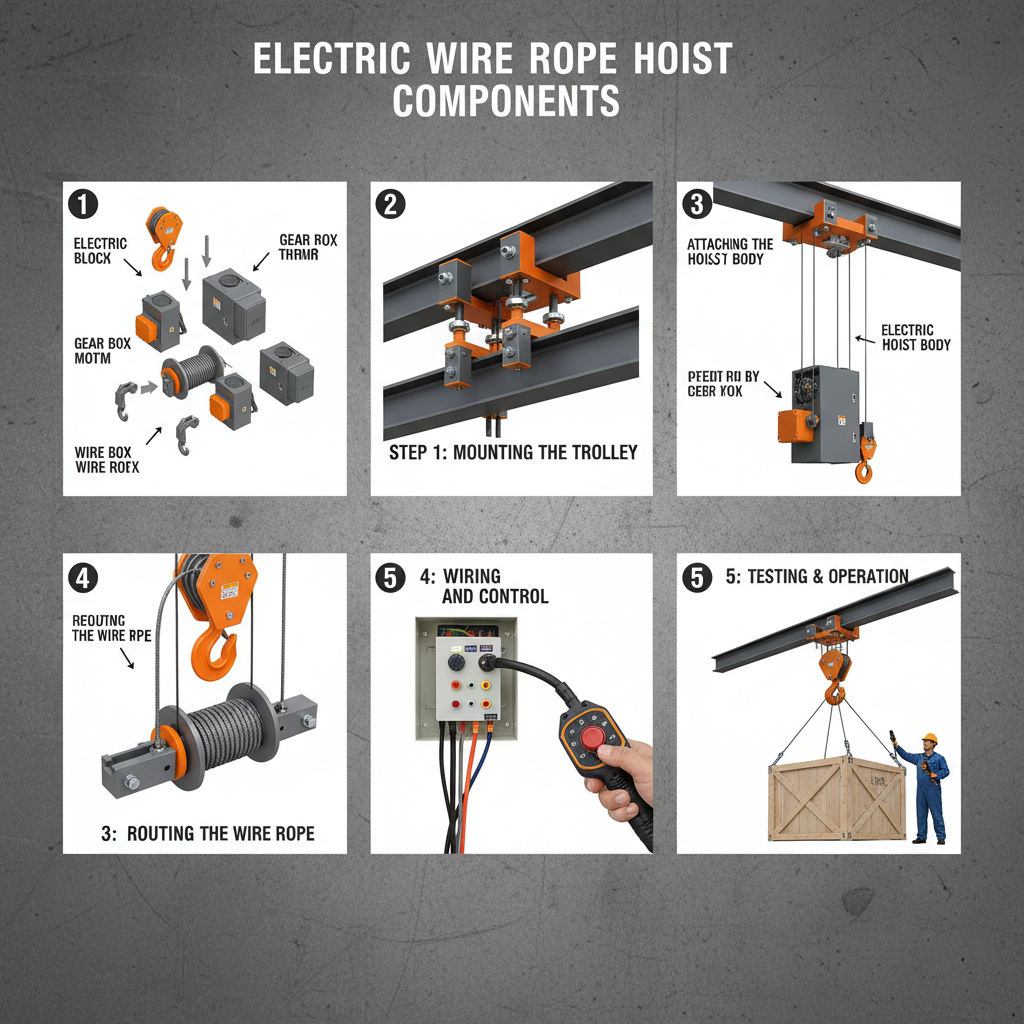
How an Electric Wire Rope Hoist Enhances Productivity
The primary advantage of implementing an electric wire rope hoist is the drastic reduction in manual labor and operational time. Unlike manual chain hoists, electric versions provide consistent lifting speeds and the ability to handle multi-ton loads with a simple push of a button. This automation reduces operator fatigue and minimizes the risk of human error during critical lifts. Furthermore, the use of high-grade wire rope ensures a smoother lift compared to chain alternatives, reducing vibration and wear on the load being transported. For businesses looking to scale their operations, integrating these systems is a strategic move toward industrial modernization.
Pro Tip: To maximize the lifespan of your hoist, ensure a regular lubrication schedule for the wire rope and periodic inspections of the braking system to maintain peak safety standards.
Key Components and Technical Design
Understanding the anatomy of an electric wire rope hoist is essential for proper maintenance. The system consists of a high-torque electric motor, a gear reducer that converts speed into lifting power, and a precision-engineered drum that winds the steel rope. The braking mechanism is perhaps the most critical safety feature, usually employing an electromagnetic brake that engages instantly if power is lost. Additionally, most modern hoists include limit switches to prevent over-lifting or over-lowering, protecting both the equipment and the operator from accidental damage.
Comparing Electric Wire Rope Hoists vs. Chain Hoists
When selecting lifting equipment, the debate often settles between wire rope and chain systems. While chain hoists are excellent for light-duty, intermittent use, the electric wire rope hoist is superior for heavy-duty, high-speed applications. Wire ropes offer higher lifting speeds and are generally more durable for long-distance lifts. However, chain hoists may offer slightly more precision for micro-adjustments. For industrial-scale lifting where throughput is the priority, the wire rope system is almost always the preferred choice due to its robustness and efficiency.
Industry Applications for Electric Wire Rope Hoists
The versatility of an electric wire rope hoist allows it to be deployed across various sectors. In the automotive industry, they are used to move heavy engines and chassis along assembly lines. In metallurgy, they handle molten metal crucibles and heavy steel beams. Construction sites utilize them for transporting materials to higher floors efficiently. Even in the energy sector, these hoists are vital for maintaining wind turbine components and power plant machinery. The ability to customize the lift height and capacity makes them an indispensable tool for any business dealing with heavy payloads.
Technical Specifications and Selection Guide
When purchasing an electric wire rope hoist, you must consider several technical parameters to ensure the equipment matches your operational needs. The Safe Working Load (SWL) is the most critical factor—always choose a hoist with a capacity slightly higher than your heaviest load for a safety margin. Additionally, consider the duty cycle (how often the hoist is used per hour) and the required lifting speed. Below is a typical specification table for industrial-grade wire rope hoists:
Conclusion: Elevate Your Operations Today
Investing in a high-quality electric wire rope hoist is more than just a purchase; it is a commitment to operational excellence and workplace safety. By reducing manual strain, increasing lifting speeds, and ensuring stable load handling, these systems provide a significant return on investment through increased productivity. Whether you are upgrading an existing facility or building a new one, prioritizing durability and safety standards will ensure your lifting operations remain seamless for years to come.
Frequently Asked Questions (FAQs)
How often should an electric wire rope hoist be inspected?
For safety and compliance, an electric wire rope hoist should undergo a visual inspection daily by the operator to check for obvious rope fraying or unusual noises. A comprehensive professional inspection should be performed every 6 to 12 months, depending on the usage frequency. This involves testing the braking system, checking the motor's electrical connections, and measuring the wear on the wire rope. Regular maintenance prevents catastrophic failures and extends the equipment's service life significantly.
What are the signs that the wire rope needs replacement?
Wire rope should be replaced if you notice "bird-caging" (deformation of the strands), excessive kinking, or if there are several broken wires in a single strand. Corrosion and significant diameter reduction are also critical warning signs. If the rope begins to slip on the drum or produces a grating sound during operation, it is time to replace it immediately. Using a worn-out rope is the leading cause of lifting accidents in industrial environments.
Can I use a wireless remote with an electric wire rope hoist?
Yes, most modern electric wire rope hoists are compatible with wireless remote control systems. Wireless remotes offer superior safety by allowing the operator to stand at a safe distance from the load, providing a better vantage point to oversee the lifting process. This reduces the risk of injury from swinging loads and increases operational efficiency. You can find a wide range of control options, including traditional pendants and advanced wireless systems, on the Juying Hoist website.
What is the difference between a single-speed and dual-speed hoist?
A single-speed hoist operates at one constant lifting velocity, which is ideal for simple, repetitive tasks. A dual-speed hoist provides two different speeds: a fast speed for moving the load quickly over long distances, and a slow "inching" speed for precise positioning of the load. Dual-speed hoists are highly recommended for complex assembly work or when placing heavy machinery into tight spaces where millimeter-precision is required to avoid damage.
-
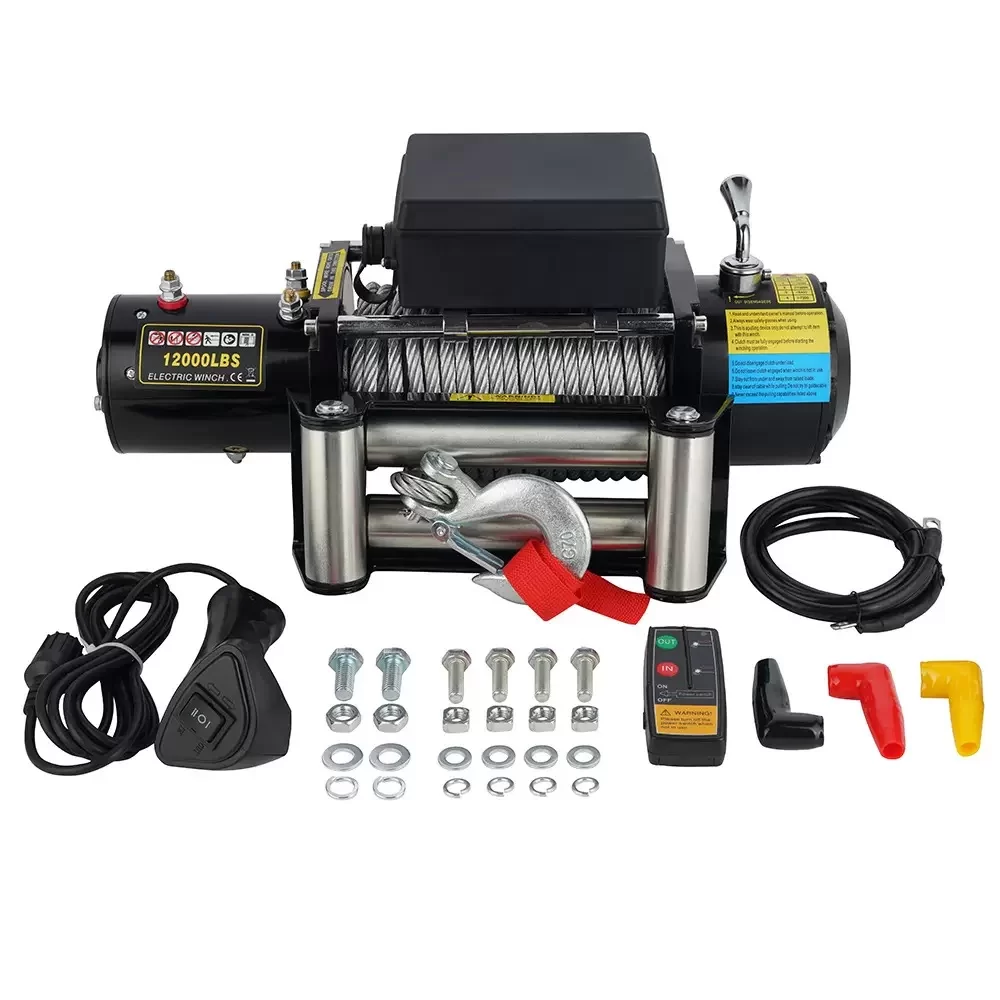 12000lbs Electric Winch with 24V Steel Wire Rope for Autos Anchor Winch for Vehicles
 -
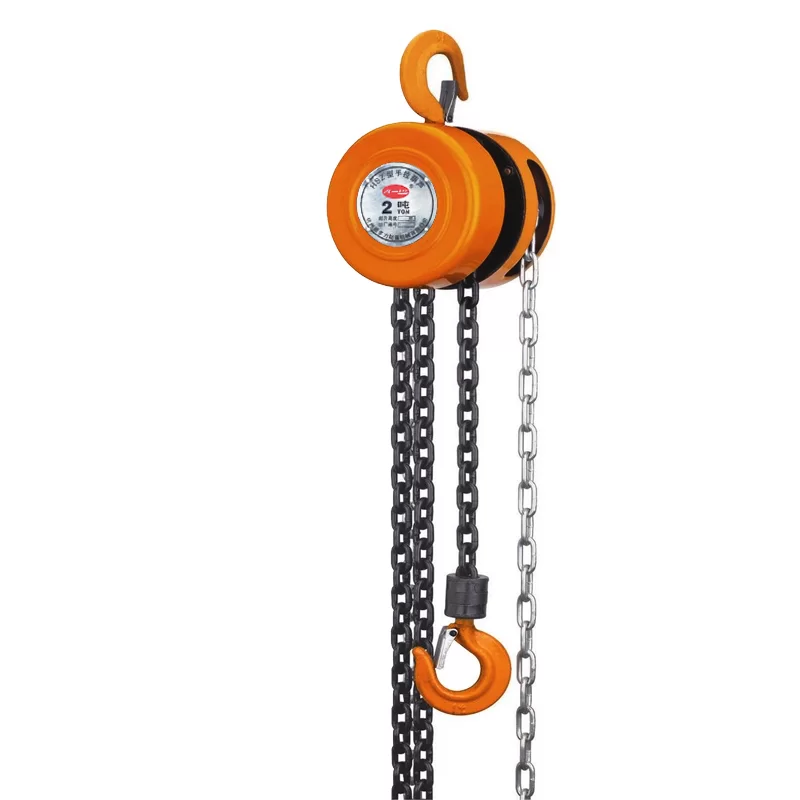 High Quality 2 Ton Chain Pulley Block Manual Chain Hoist Construction Hoist
 -
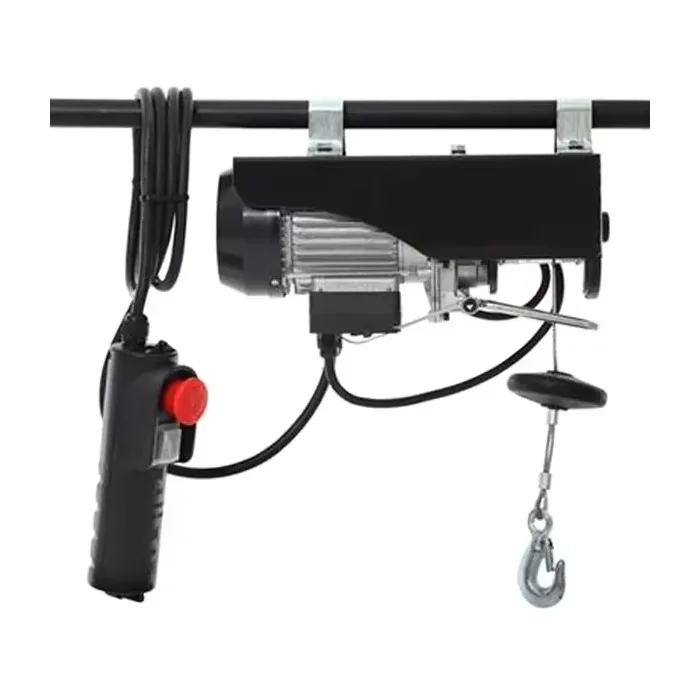 pa 500 mini electric hoist 500kg electric wire rope hoist
 -
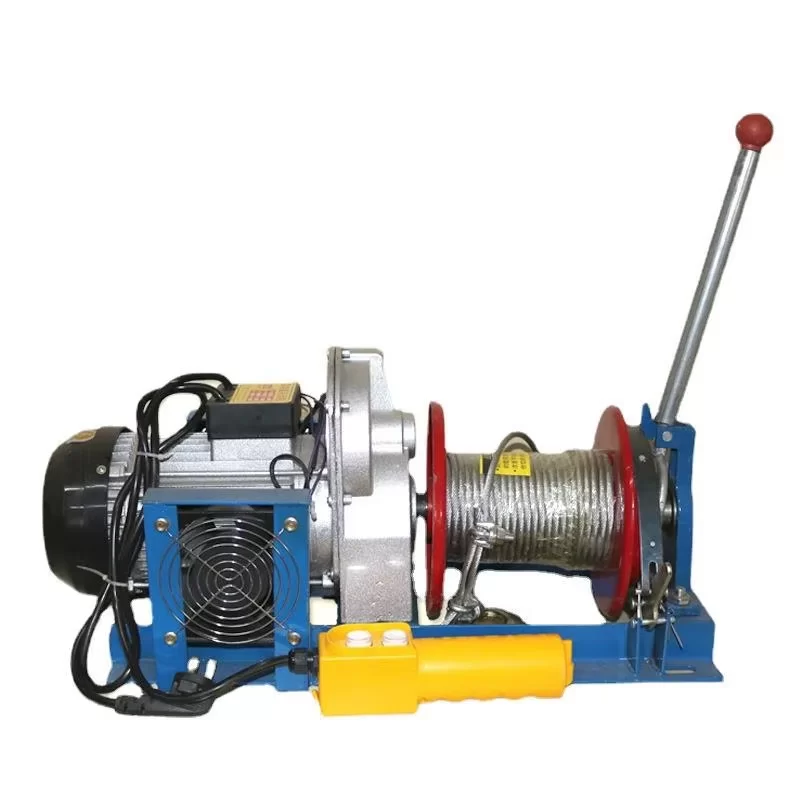 Fast Speed 220V/380V Electric Clutch Winch for Lifting
 -
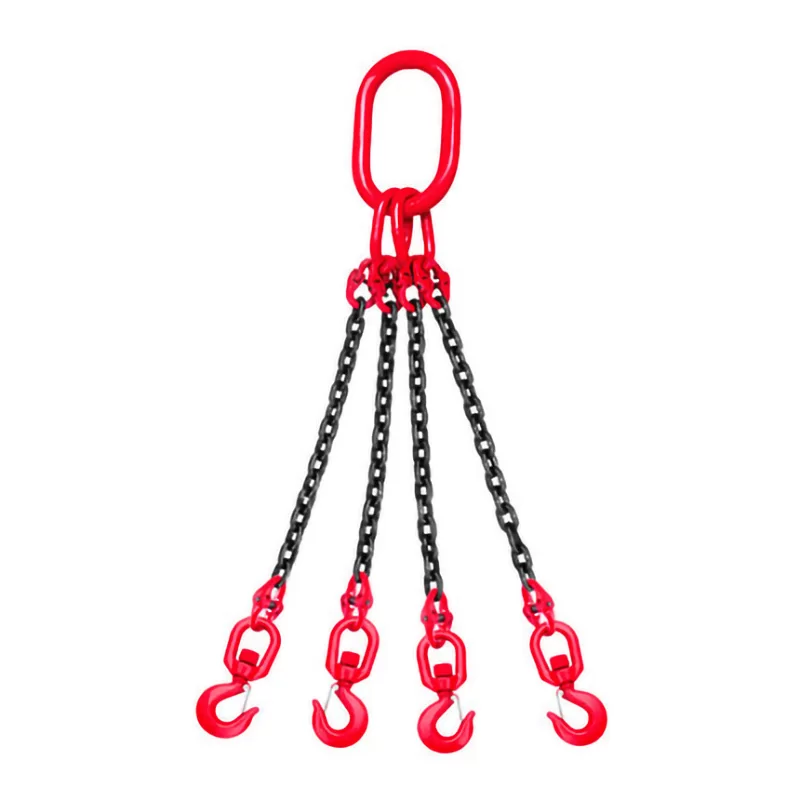 High Quality Blacken G80 Binder Chain Lift Chain
 -
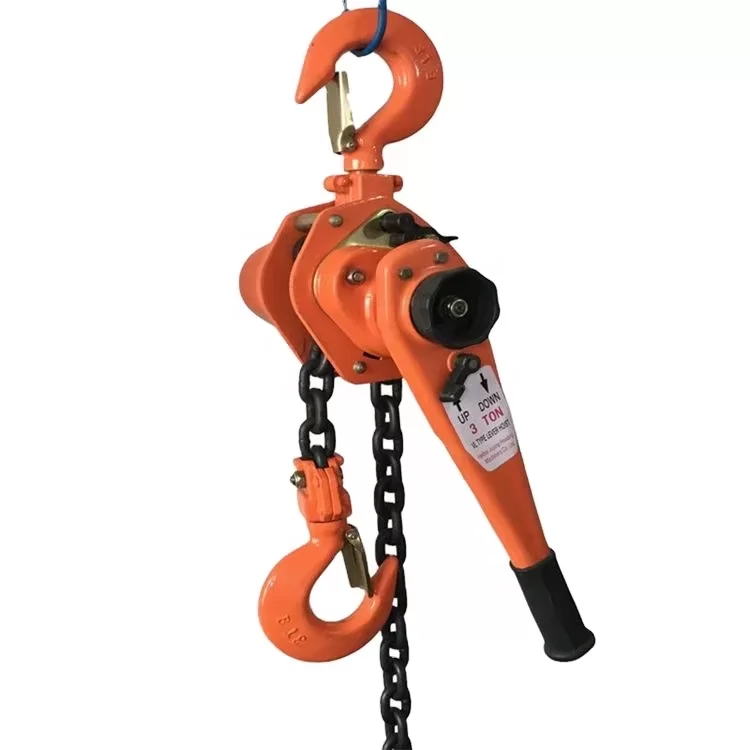 New Hand Chain Lever Block Chain Hoist 1.5 Ton for Home Use Retail Construction Lifting
 -
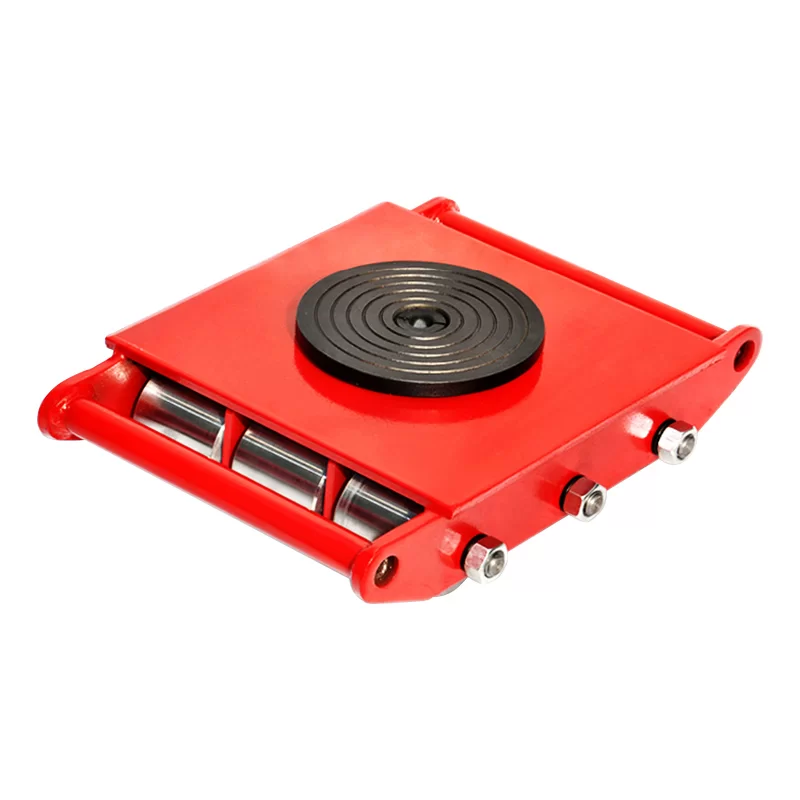 Heavy Duty Machine Dolly Skate Machinery Roller Mover Cargo Trolley 6 Ton
 -
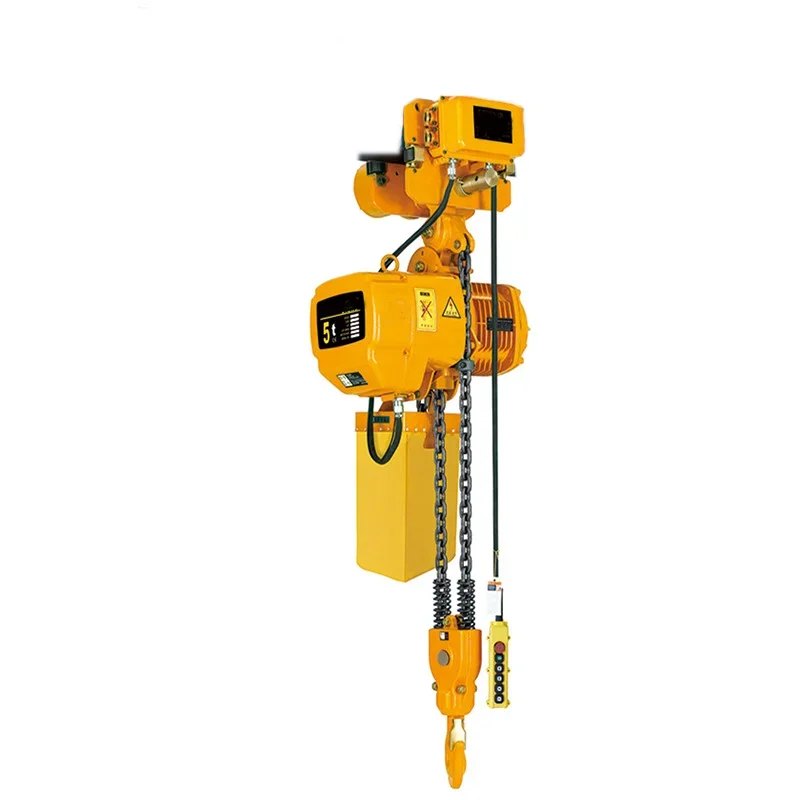 Safe Certified Low Noise Electric Chain Hoist Sturdy Electric Chain Hoist 5 Ton with High Load Capacity Perfect for Industrial Hoisting Applications
-
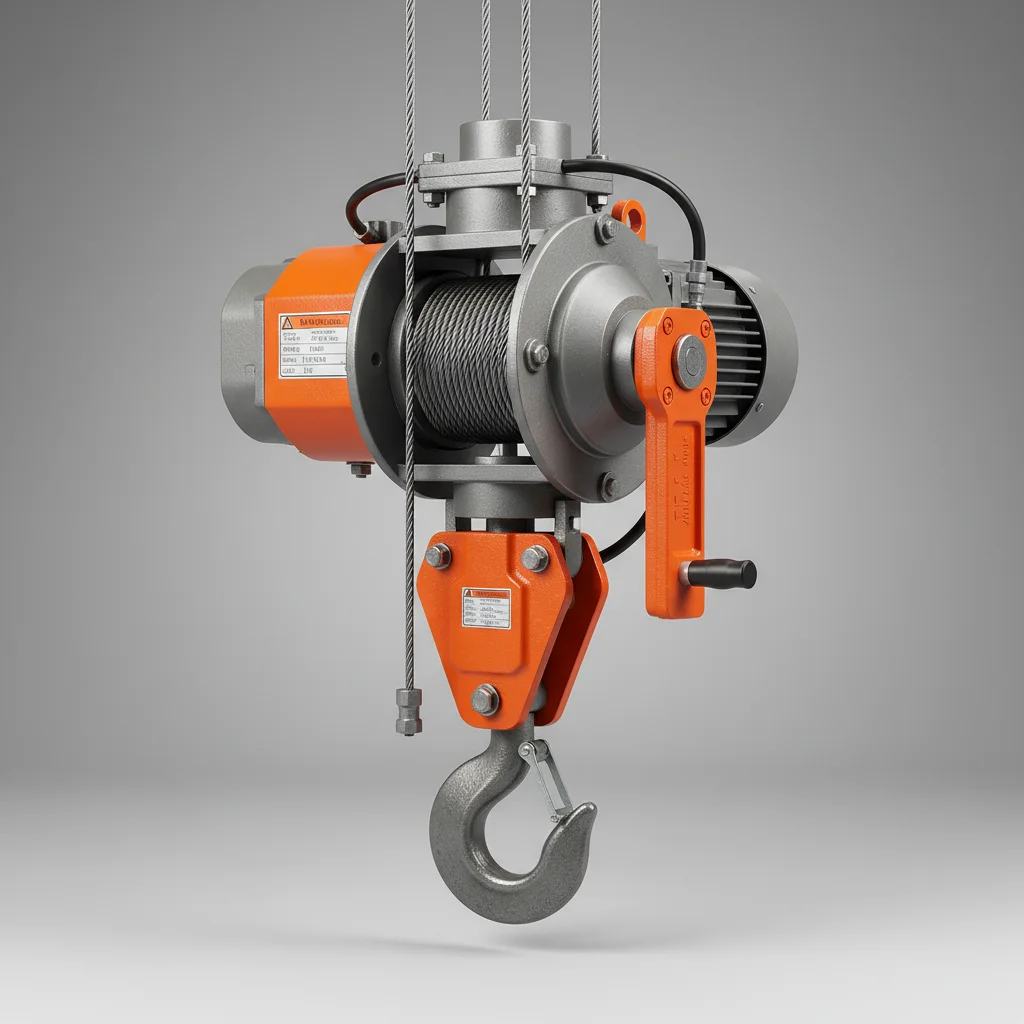 May 04, 2026Industrial Grade Wire Rope Electric HoistIndustrial Grade Wire Rope Electric Hoist Precision-engineered lifting solutions for general equipment manufacturing. Combining heavy-duty durability with seamless electrical control for maximum operational safety. 5000 Annual Output 120 Countries Served 7 Days Sample Lead Time 99.9 On-Time Delivery Engineered for Power Built for Precision Redefining material handling efficiency with state-of-the-art lifting technology. As a global leader in material handling, our wire rope electric hoist series represents the pinnacle of LIGHT-DUTY LIFTING EXCELLENCE . We integrate aerospace-grade materials with rigorous industrial standards to ensure our equipment dominates in versatility and reliability across all manufacturing plants.
 -
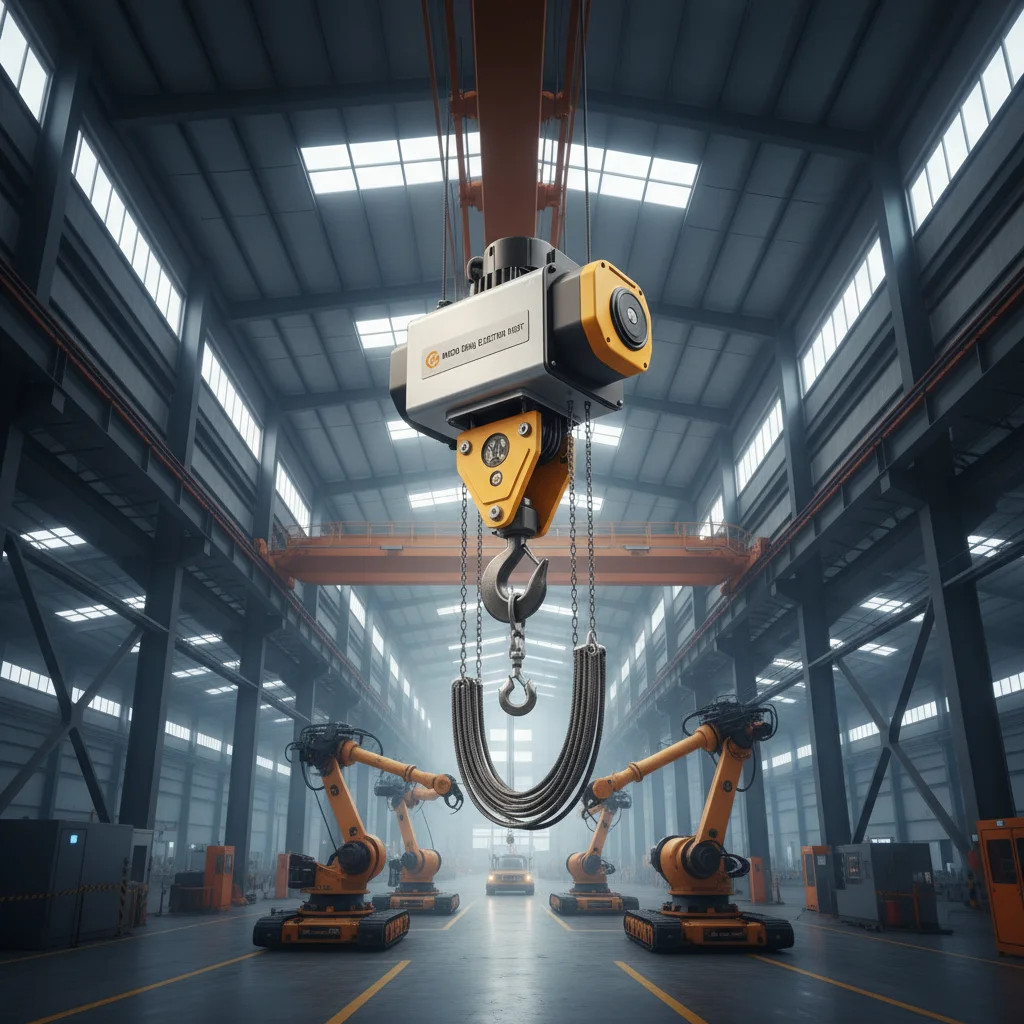 April 23, 2026Efficient Lifting with the Micro 50kg Electric Hoist for WorkshopsIn the modern landscape of material handling, the micro 50kg electric hoist has emerged as a pivotal tool for small-scale industrial operations and home workshops. By automating the lifting of moderate loads, these compact devices eliminate the physical strain of manual lifting, significantly reducing workplace injuries and increasing overall operational throughput. Understanding the nuances of these micro-hoists allows businesses to optimize their space and labor efficiency without investing in heavy, oversized machinery. Globally, the demand for lightweight lifting solutions is surging as the maker movement and small-batch manufacturing gain momentum.
 -
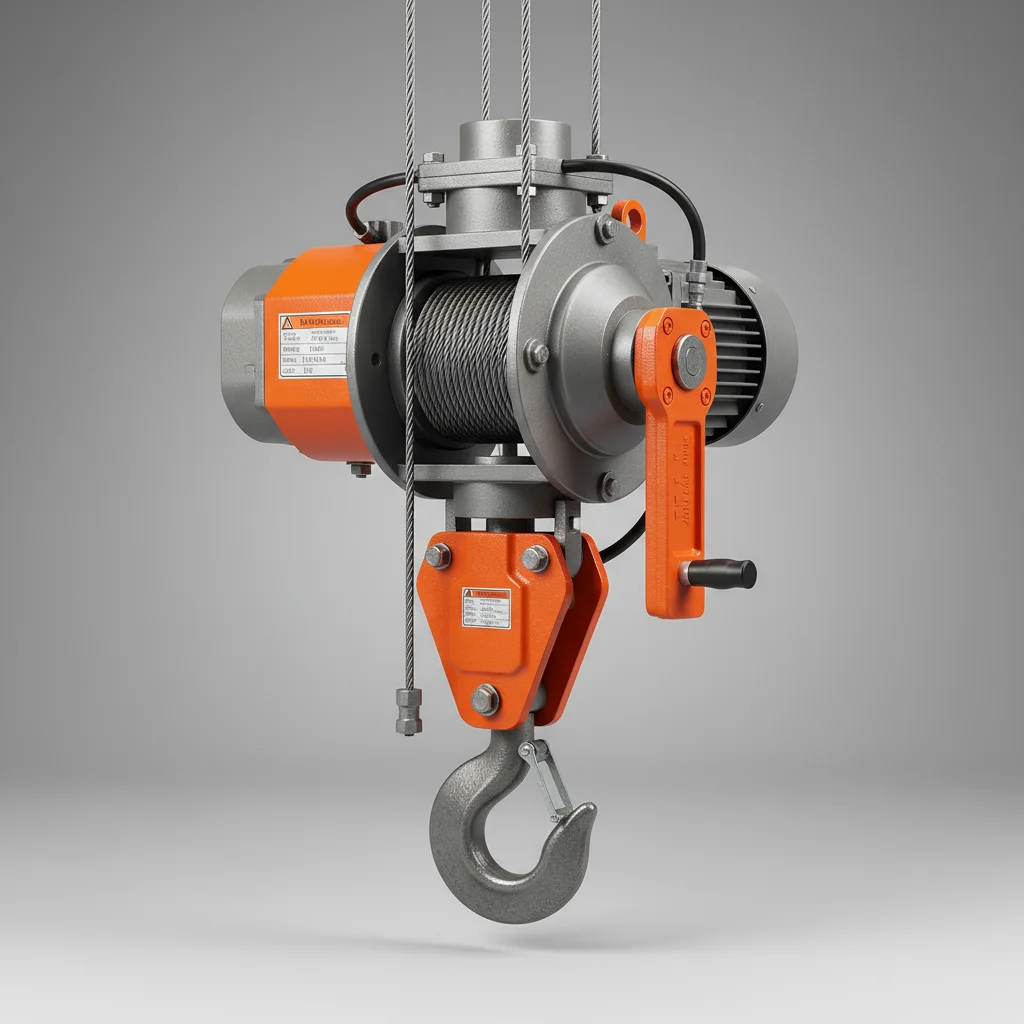 May 06, 2026Industrial Wire Rope Electric Hoist Efficiency and Safety GuideIn the demanding landscape of modern industrial lifting, the wire rope electric hoist stands as a cornerstone of efficiency and safety. These machines are engineered to handle heavy-duty vertical transport, bridging the gap between manual labor and full-scale industrial automation. By integrating high-tensile steel cables with powerful electric motors, they allow businesses to move massive loads with precision and minimal effort. Understanding the nuances of a wire rope electric hoist is critical for facility managers and engineers who prioritize operational uptime. Whether it is used in a bustling automotive assembly line or a remote construction site, the reliability of the lifting mechanism directly impacts productivity.
 -
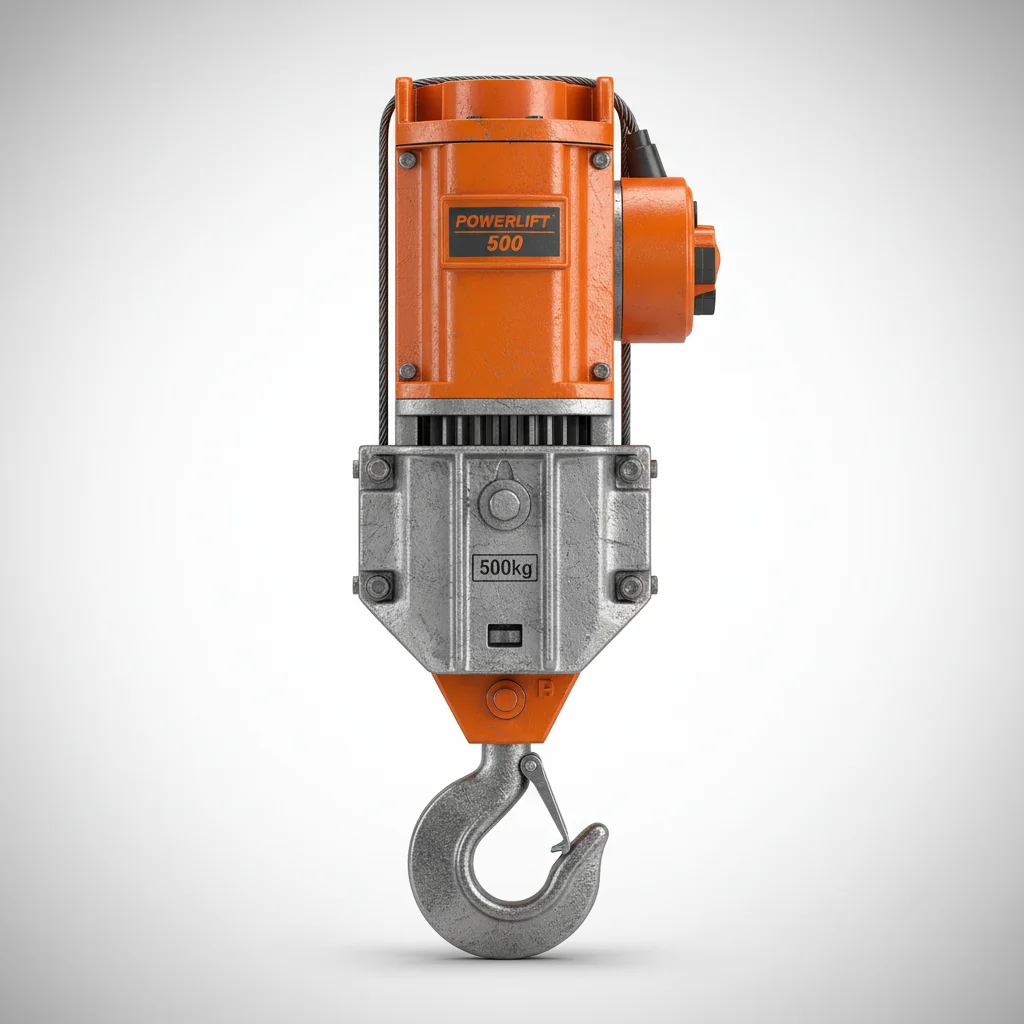 March 27, 2026Reliable Electric Hoist 500kg for Construction and Industrial LiftingThe 500kg electric hoist – it’s the workhorse of so many sites, and frankly, the quality out there varies wildly. After years of seeing hoists struggle, break down, or just plain cause headaches, you learn to appreciate the ones that are built right. It's not about flashy features; it's about reliability. A 500kg electric hoist needs to consistently lift, safely lower, and do it day after day, often in pretty harsh conditions. Too often, projects get held up because of a hoist failure, and that adds up to serious money and frustration. We’re talking about a critical piece of kit, especially on mid-sized construction, maintenance, and even some industrial setups. Understanding the nuances of a good electric hoist 500kg is what separates a smooth operation from a complete standstill. What I’ve found is that guys often focus too much on initial price and not enough on long-term cost of ownership. A cheap hoist might seem appealing upfront, but the downtime, repairs, and potential safety issues quickly outweigh any savings. And it’s not just about the hoist itself; it’s the quality of the components – the wire rope, the hook, the braking system. All of that needs to be top-notch. I’ve personally pulled guys off jobs because they were using hoists that were frankly dangerous. Safety isn’t something you compromise on, ever. A good electric hoist 500kg is an investment in productivity and, more importantly, in the well-being of the crew.
 -
 April 22, 2026Efficient Material Handling Using a Small Electric Hoist GuideIn the fast-paced environment of modern logistics and construction, the demand for efficient, compact lifting solutions has never been higher. A small electric hoist serves as a critical bridge between manual labor and heavy industrial machinery, providing a versatile means of moving materials with precision and minimal physical exertion. By integrating electrical power with robust mechanical design, these devices empower small businesses and home workshops to handle loads that would otherwise require a full crew.
 -
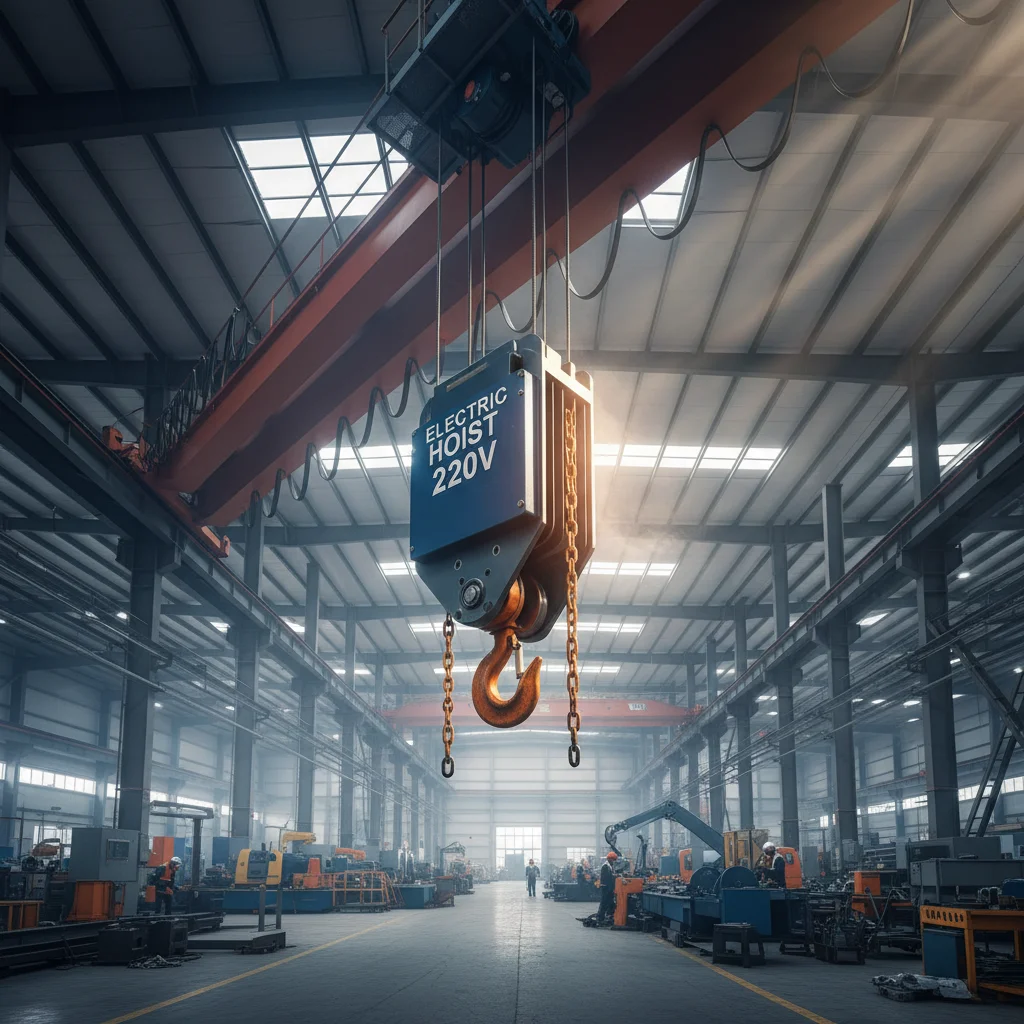 April 29, 2026Precision Engineered Electric Hoist 220V SystemsRevolutionizing light-duty lifting with high-performance 220V electric hoists designed for industrial safety and maximum operational efficiency. 2000 Annual Output 168 Countries Served 7 Days Sample Lead Time 99.9 On-Time Delivery Core Pillars of Lifting Excellence Our electric hoist 220v provides an optimal balance of power and precision, utilizing advanced material science to ensure long-term durability in rigorous manufacturing environments. By integrating smart motor control and reinforced steel structures, we deliver a lifting solution that prioritizes operator safety without compromising on speed.
 -
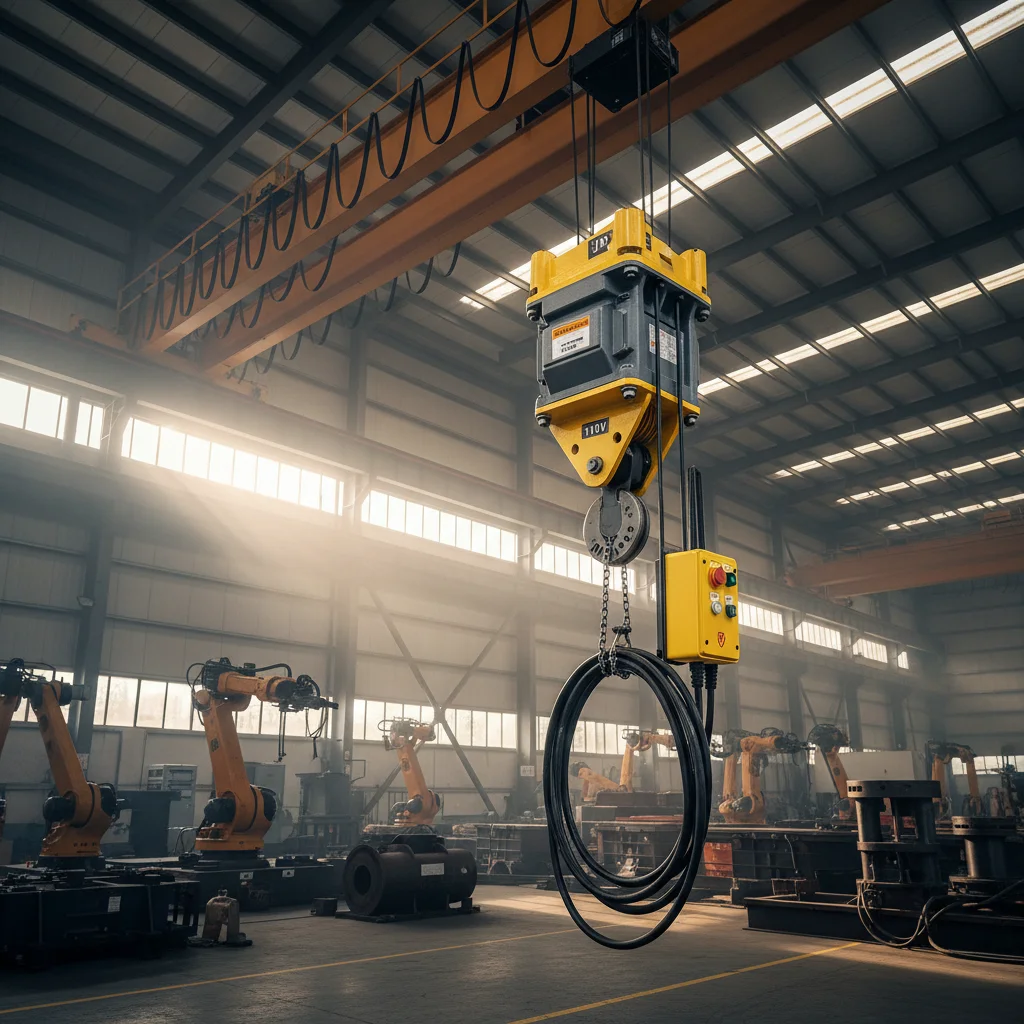 April 06, 2026Comprehensive Guide to 110v Electric Hoist Applications and SafetyThe 110v electric hoist is a critical piece of equipment across a diverse range of industries, offering a safe and efficient solution for lifting and moving materials. From manufacturing facilities and construction sites to warehouses and even personal workshops, its accessibility and relatively low voltage make it a versatile choice. Understanding the nuances of 110v electric hoists – their capabilities, safety features, and applications – is paramount for optimizing operational efficiency and minimizing workplace hazards.
 -
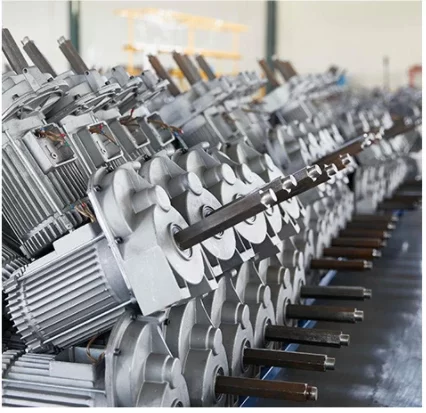 March 02, 2026New Aluminum Shell Electric Hoist Launched
Hebei Juying, a leading lifting equipment supplier, has launched a new aluminum shell electric hoist, aiming to upgrade material handling efficiency for global industrial users. This compact, high-performance hoist addresses key pain points of traditional steel-shell models, including heavy weight and overheating issues.
Let’s Build Your Ideal Lifting Plan
Get a free quote or consult specs—message us right away!


