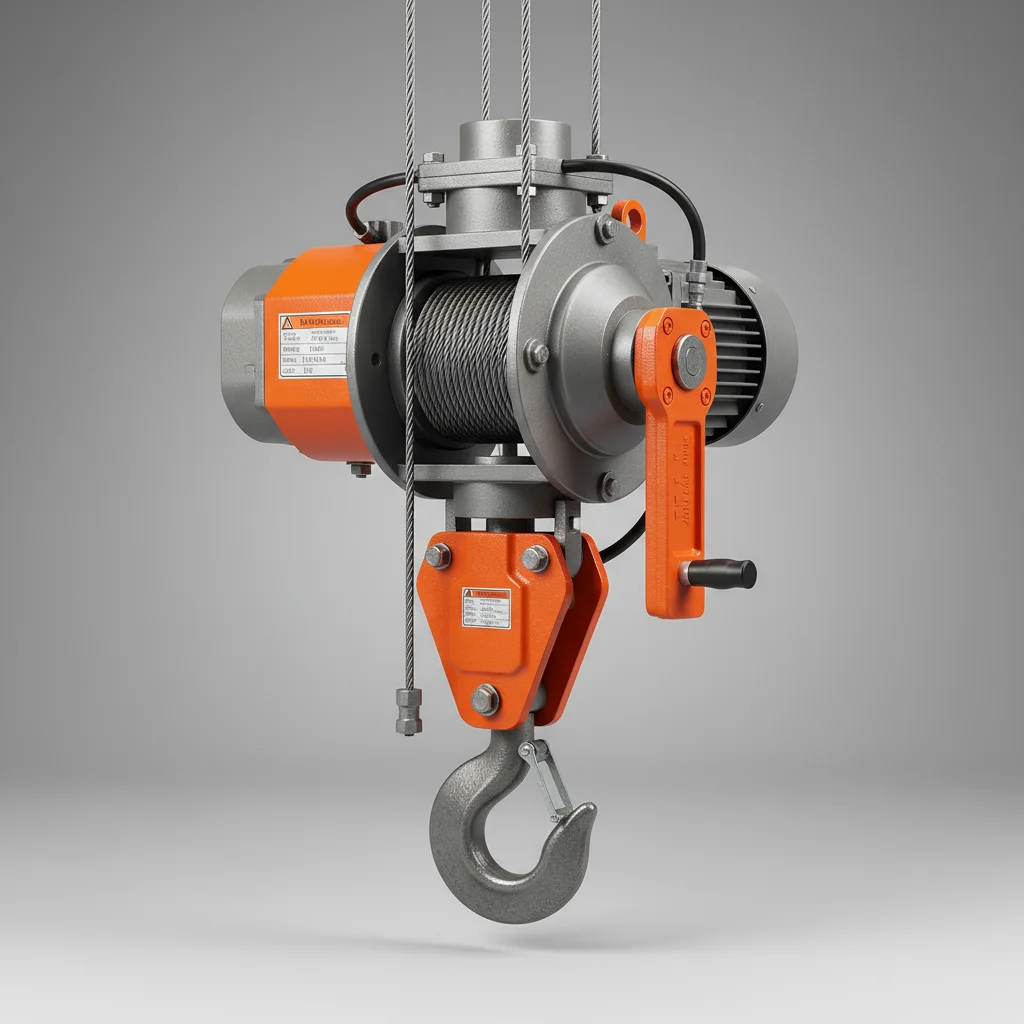
In the modern landscape of material handling, the electric hoist 200kg serves as a critical bridge between manual labor and heavy industrial machinery. For small-scale workshops, automotive garages, and home renovation projects, having a reliable lifting solution that handles a 200kg capacity ensures that operational efficiency is maximized without compromising on safety. By automating the vertical transport of materials, businesses can drastically reduce the risk of musculoskeletal injuries among staff while accelerating project timelines.
Globally, the demand for light-duty lifting equipment has surged as the "prosumer" market grows and small-to-medium enterprises (SMEs) seek affordable ways to scale their production. The electric hoist 200kg is not merely a tool but a strategic asset that allows for precise positioning of loads, which is essential in sectors ranging from HVAC installation to boutique manufacturing. Understanding the technical nuances and application methods of these devices is key to maintaining a competitive edge in today's fast-paced industrial environment.
Whether integrated into a permanent gantry system or used as a portable lifting aid, the utility of an electric hoist 200kg lies in its balance of power and compactness. This guide explores the technical components, global applications, and future trends of these essential machines, providing a comprehensive overview for procurement managers and technical engineers alike who prioritize reliability, ISO-standard safety, and long-term durability.
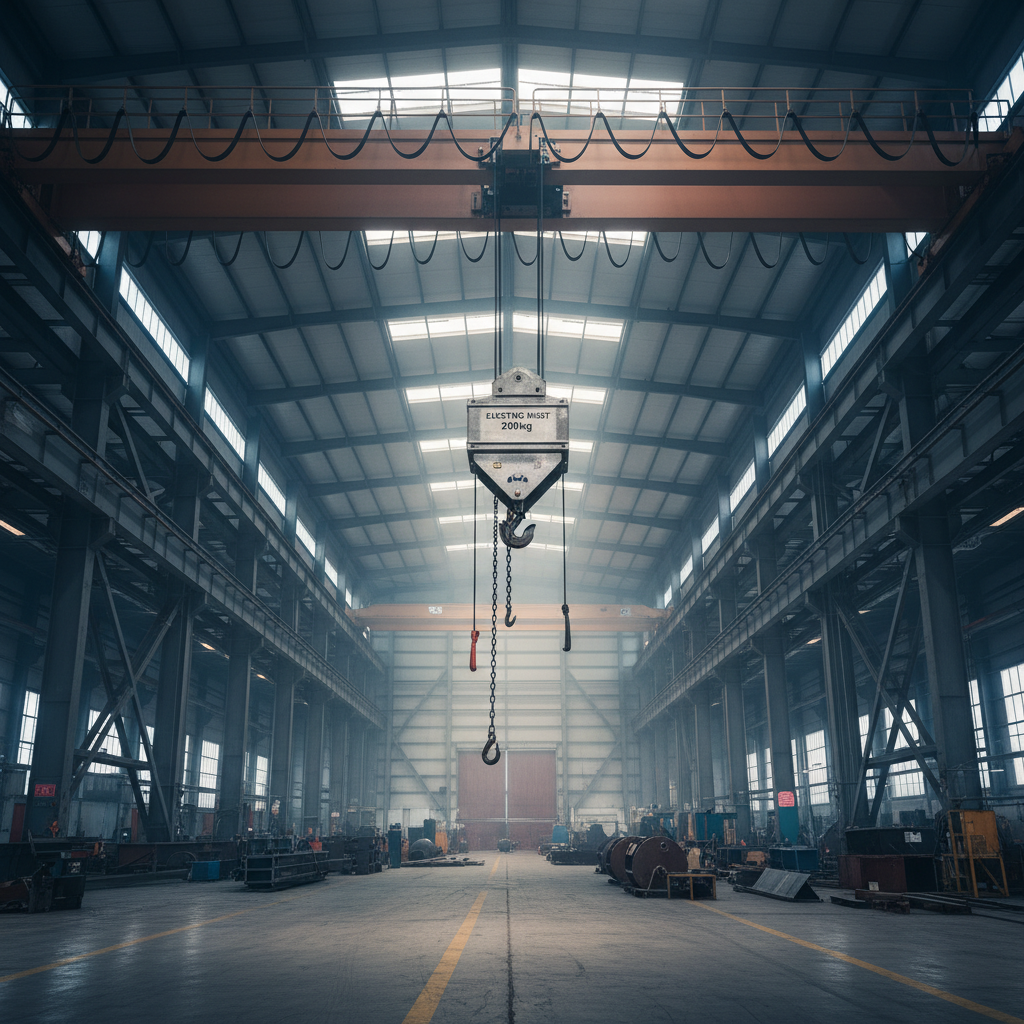
Global Industrial Relevance of Electric Hoist 200kg
On a global scale, the implementation of the electric hoist 200kg aligns with International Organization for Standardization (ISO) guidelines aimed at reducing workplace hazards. In emerging markets across Southeast Asia and Latin America, the rapid growth of small-scale fabrication shops has created a massive void in efficient lifting. These regions are increasingly moving away from manual pulleys toward motorized solutions to meet the stringent safety requirements of international trade partners.
The economic impact is evident when analyzing the reduction in downtime. By utilizing an electric hoist 200kg, SMEs can perform tasks that previously required three people with just one operator, effectively tripling labor productivity in the lifting phase. This shift is not just about convenience; it is a fundamental transition toward industrialized efficiency in the "last mile" of material movement within the workshop.
Defining the Electric Hoist 200kg and Its Core Purpose
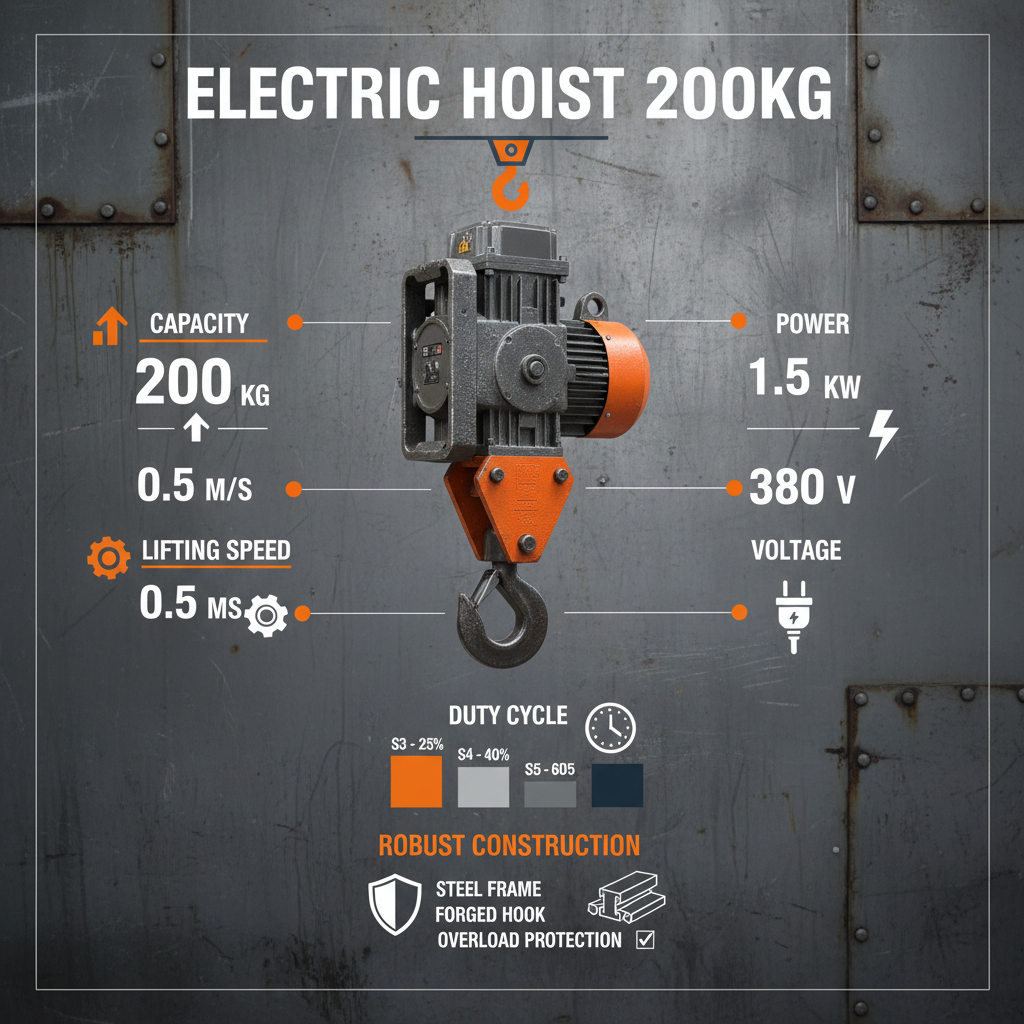
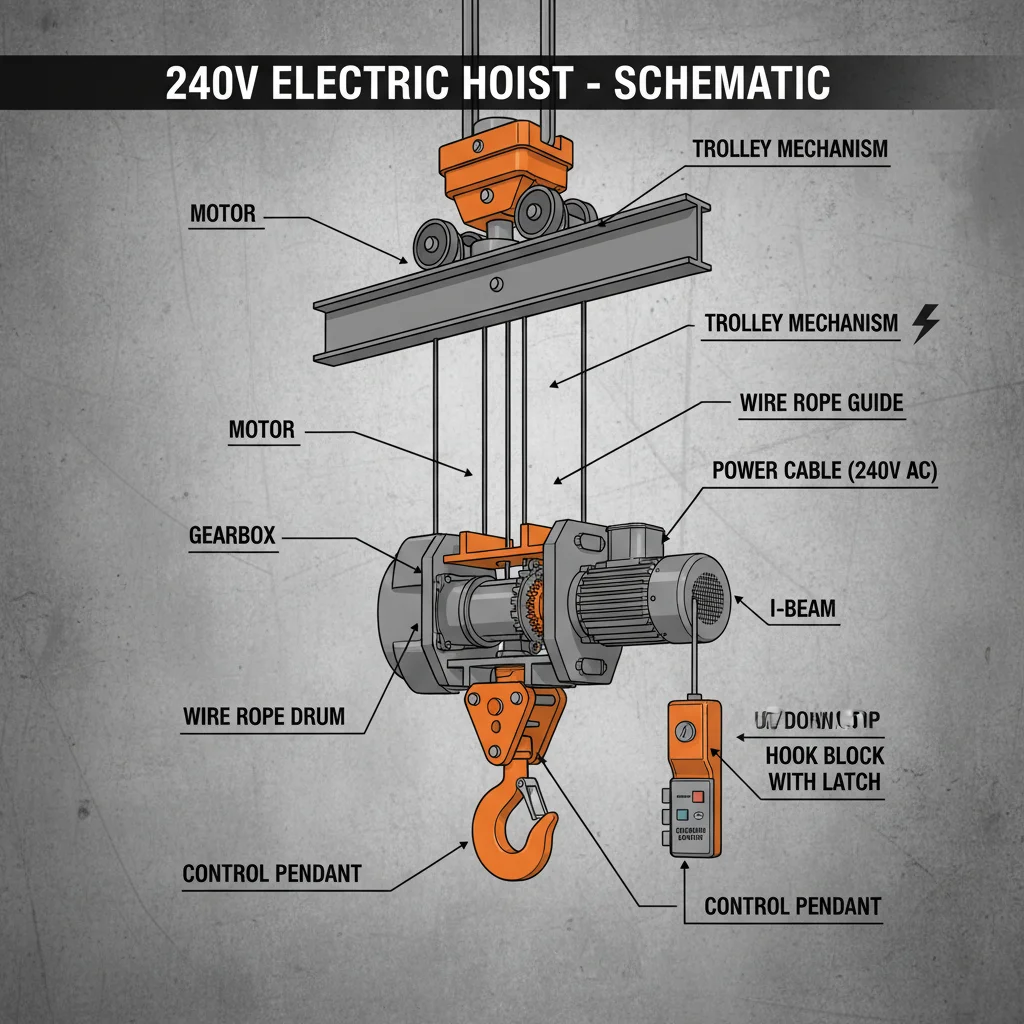
An electric hoist 200kg is a motorized lifting device designed to raise and lower loads up to a maximum capacity of 200 kilograms. Unlike heavy-duty industrial cranes, these units are characterized by their compact footprint, ease of installation, and ability to run on standard single-phase power supplies. They typically employ a combination of an electric motor, a gear reduction system, and either a wire rope or a high-strength chain to achieve vertical movement.
The core purpose of this specific capacity range is to solve the "middle-ground" lifting problem. Loads under 50kg can often be handled manually, while loads over 500kg require heavy infrastructure. However, items weighing between 100kg and 200kg—such as electric motors, small engines, or heavy machinery components—are too heavy for safe human lifting but too light to justify the cost of a massive overhead crane. This makes the electric hoist 200kg the ideal tool for precision and safety.
Beyond industrial use, these hoists are increasingly vital for humanitarian and accessibility needs. In remote medical clinics or disaster relief zones, a small-scale electric hoist 200kg can be used to lift medical supplies or equipment into storage areas where infrastructure is minimal. Its versatility ensures that critical loads are moved with dignity and stability, regardless of the environment.
Key Engineering Factors for Electric Hoist 200kg Performance
Durability is the primary engineering pillar for any electric hoist 200kg. This is achieved through the use of heat-treated alloy steel for the gears and reinforced housings that protect the motor from dust and debris. A high-quality hoist must be able to withstand duty cycles that allow for repeated lifting without overheating, ensuring that the mechanical integrity remains intact over years of service.
Precision control and safety mechanisms are what truly define a professional electric hoist 200kg. The integration of electromagnetic brakes ensures that the load is held securely in place even during a power failure, preventing catastrophic drops. Furthermore, limit switches are installed to prevent the hook from over-traveling, which protects both the equipment and the operator from accidental damage.
Cost efficiency and scalability also play a role in the design. By utilizing standardized components, an electric hoist 200kg remains affordable for small businesses while allowing for easy maintenance. The ability to mount these units on various trolley systems means that as a business grows, the hoist can be transitioned from a simple fixed point to a fully mobile bridge crane system.
Global Applications and Real-World Use Cases
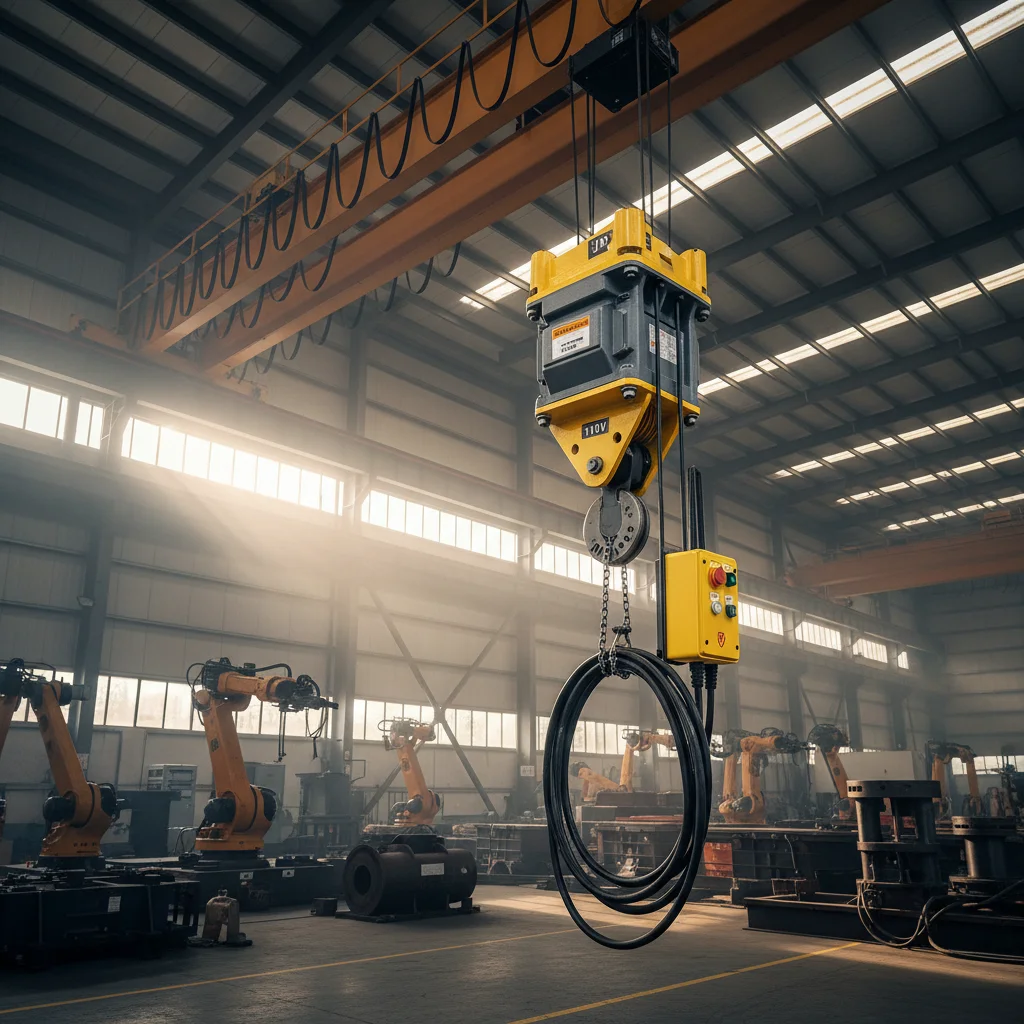
The practical application of the electric hoist 200kg spans across diverse industries globally. In European automotive workshops, these hoists are frequently used for removing transmissions and engines from compact vehicles, providing a level of precision that manual jacks cannot match. Similarly, in the burgeoning electronics assembly hubs of Asia, they are used to lift delicate but heavy server racks and industrial cooling units into place.
In more challenging environments, such as remote industrial zones in Africa or South America, the electric hoist 200kg is often the only motorized lifting tool available due to its low power requirements. It is used in everything from small-scale mining operations to community water project installations, where lifting pumps and pipes is a daily necessity.
Performance Comparison of Electric Hoist 200kg Configurations
Tangible Advantages and Long-Term Value
The most immediate benefit of integrating an electric hoist 200kg is the dramatic improvement in workplace safety. By removing the need for manual lifting of 200kg loads, companies eliminate the primary cause of chronic back injuries and acute lifting accidents. This leads to lower insurance premiums, fewer sick days, and a more motivated workforce that feels valued and protected by their employer.
From a logical and financial perspective, the long-term value is found in the increase of operational throughput. An electric hoist 200kg allows for "one-person operation," meaning skilled technicians can manage their own lifting without waiting for a helper. This autonomy accelerates the workflow and reduces the bottleneck associated with material movement, directly contributing to a higher return on investment (ROI) within the first year of deployment.
Future Trends in Light-Duty Lifting Technology
Looking forward, the electric hoist 200kg is evolving through the integration of Smart IoT (Internet of Things) technology. Future models are expected to feature digital load sensors that provide real-time weight feedback to the operator via a smartphone app, preventing accidental overloading and providing digital logs for safety audits. This digital transformation will move lifting from a blind mechanical process to a data-driven operation.
Sustainability is also driving innovation in materials. We are seeing a shift toward the use of lightweight, high-strength composite alloys and energy-efficient brushless motors in the electric hoist 200kg. These advancements reduce the energy consumption per lift and lower the overall carbon footprint of the manufacturing process, aligning with global "Green Industry" initiatives and ESG (Environmental, Social, and Governance) goals.
Furthermore, the trend toward automation is bringing variable frequency drives (VFDs) to smaller hoists. This will allow the electric hoist 200kg to perform "soft starts" and "soft stops," reducing the jerk on the load and extending the lifespan of the chain and gears. This level of precision was once reserved for multi-ton cranes but is now becoming accessible to the light-duty market.
Common Challenges and Expert Solutions
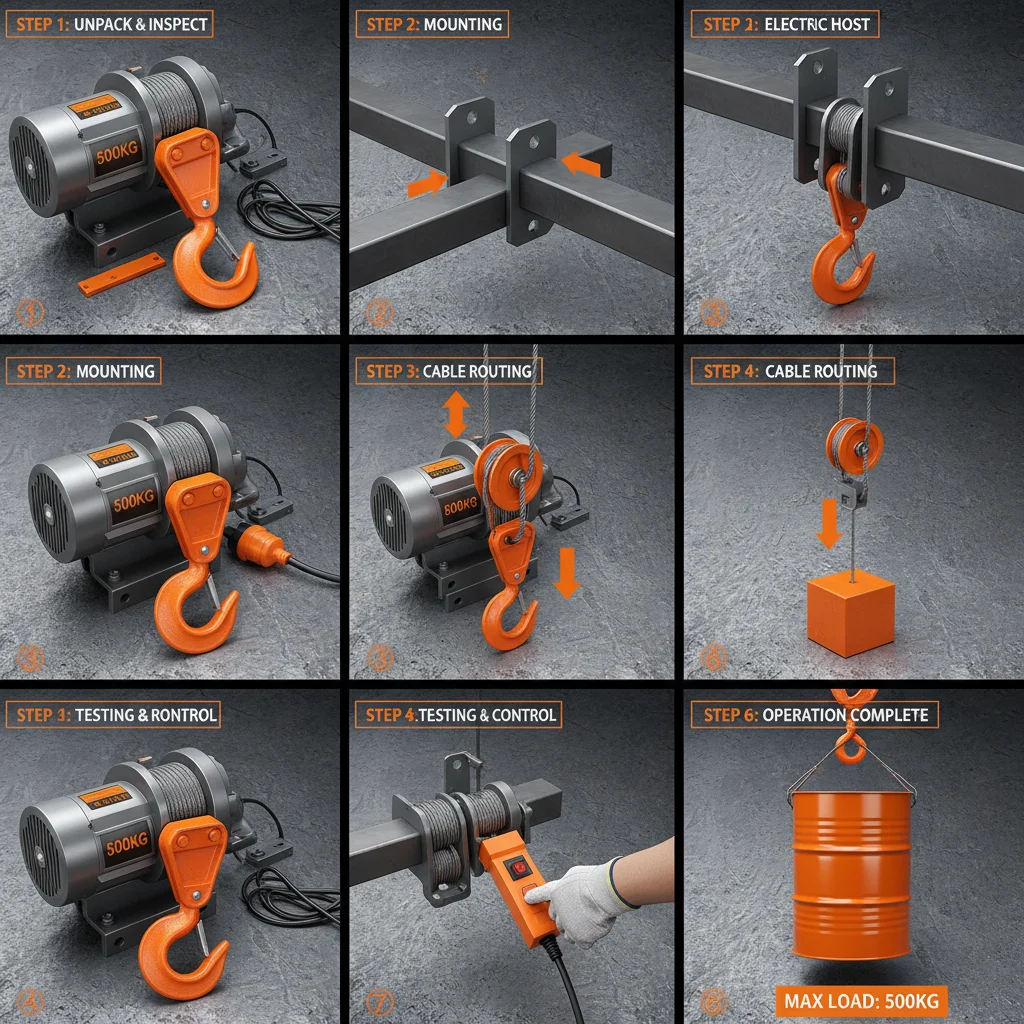
One of the most common challenges users face with an electric hoist 200kg is improper installation and mounting. Many users attempt to hang the hoist from beams that are not rated for the dynamic load of a 200kg lift. Expert solution: Always conduct a structural analysis of the mounting point and utilize certified I-beam clamps or welded supports that can handle at least 1.5 times the rated capacity of the hoist.
Maintenance neglect is another frequent hurdle, specifically regarding lubrication and chain wear. Over time, the lubricant in a electric hoist 200kg can dry out or become contaminated, leading to increased friction and eventual motor burnout. We recommend a quarterly maintenance schedule that includes chain cleaning, lubrication with high-grade industrial oil, and a visual inspection of the hook for any signs of deformation.
Lastly, operators often struggle with "load swing" when using the hoist in open spaces. This can be solved by implementing a simple guide-rope system or by upgrading to a hoist with a slower, more controlled lifting speed. By matching the electric hoist 200kg to the specific environment and providing proper operator training, most operational challenges can be mitigated entirely.
Technical Analysis and Comparison of Electric Hoist 200kg Operational Standards
| Model Configuration |
Safety Rating (1-10) |
Maintenance Frequency |
Lifespan (Years) |
| Standard Chain Hoist |
8 |
Quarterly |
5-7 |
| Wire Rope Compact |
7 |
Monthly |
4-6 |
| Industrial Grade 200kg |
10 |
Bi-Annually |
10-12 |
| Mini-Electric Series |
6 |
Monthly |
3-5 |
| VFD Controlled Hoist |
9 |
Quarterly |
8-10 |
| Custom Alloy Build |
9 |
Bi-Annually |
7-9 |
FAQS
While an electric hoist 200kg is designed for efficiency, it is not typically meant for 24/7 continuous operation. Most models have a "duty cycle" (e.g., 20% of an hour). Exceeding this can cause the motor to overheat. For high-frequency use, we recommend industrial-grade models with higher duty ratings to ensure longevity and prevent thermal shutdown.
Yes, as long as it is installed correctly. The key is the mounting structure. A home garage beam must be verified to support the dead weight of the hoist plus the 200kg load. Using a certified mounting bracket and ensuring the hoist has an automatic brake makes it a safe and incredibly useful tool for DIY automotive work.
Chain hoists are generally more durable and provide more precise positioning, making them ideal for machinery maintenance. Wire rope hoists typically offer faster lifting speeds and smoother movement but require more frequent inspections for fraying. For most 200kg applications, chain hoists are preferred for their robustness and lower maintenance.
Professional units often feature a slip clutch or an electronic overload protector that stops the motor if the weight exceeds 200kg. Physically, you may notice the motor straining or the lifting speed slowing significantly. If you suspect an overload, stop immediately and use a load cell to verify the weight before attempting to lift again.
Most 200kg models are designed for single-phase power (110V or 220V), which is standard in most residential and small commercial settings. However, it is always recommended to use a dedicated circuit with a proper GFCI (Ground Fault Circuit Interrupter) to protect the motor from power surges and ensure operator safety.
There is no fixed timeline, as it depends on usage. However, you should perform a visual inspection every month. If you see stretched links, significant wear on the chain's edges, or broken strands in a wire rope, replace it immediately. As a general rule for moderate use, a full replacement every 3-5 years is recommended for maximum safety.
Conclusion
The electric hoist 200kg represents a vital intersection of safety, efficiency, and accessibility in the material handling world. By bridging the gap between manual effort and heavy-duty machinery, it allows small businesses and independent operators to scale their capabilities without incurring massive infrastructure costs. From its core engineering—emphasizing durability and precision—to its diverse applications in automotive and industrial sectors, the 200kg hoist remains an indispensable tool for modern productivity.
As we look toward a future of smarter, greener, and more automated workshops, the evolution of the electric hoist 200kg will continue to prioritize operator safety and energy efficiency. Investing in a high-quality lifting solution today not only protects your most valuable asset—your workforce—but also lays the groundwork for a more streamlined and scalable operation. For those seeking the perfect balance of power and precision, we invite you to explore our professional range. Visit our website: www.juyinghoist.com